

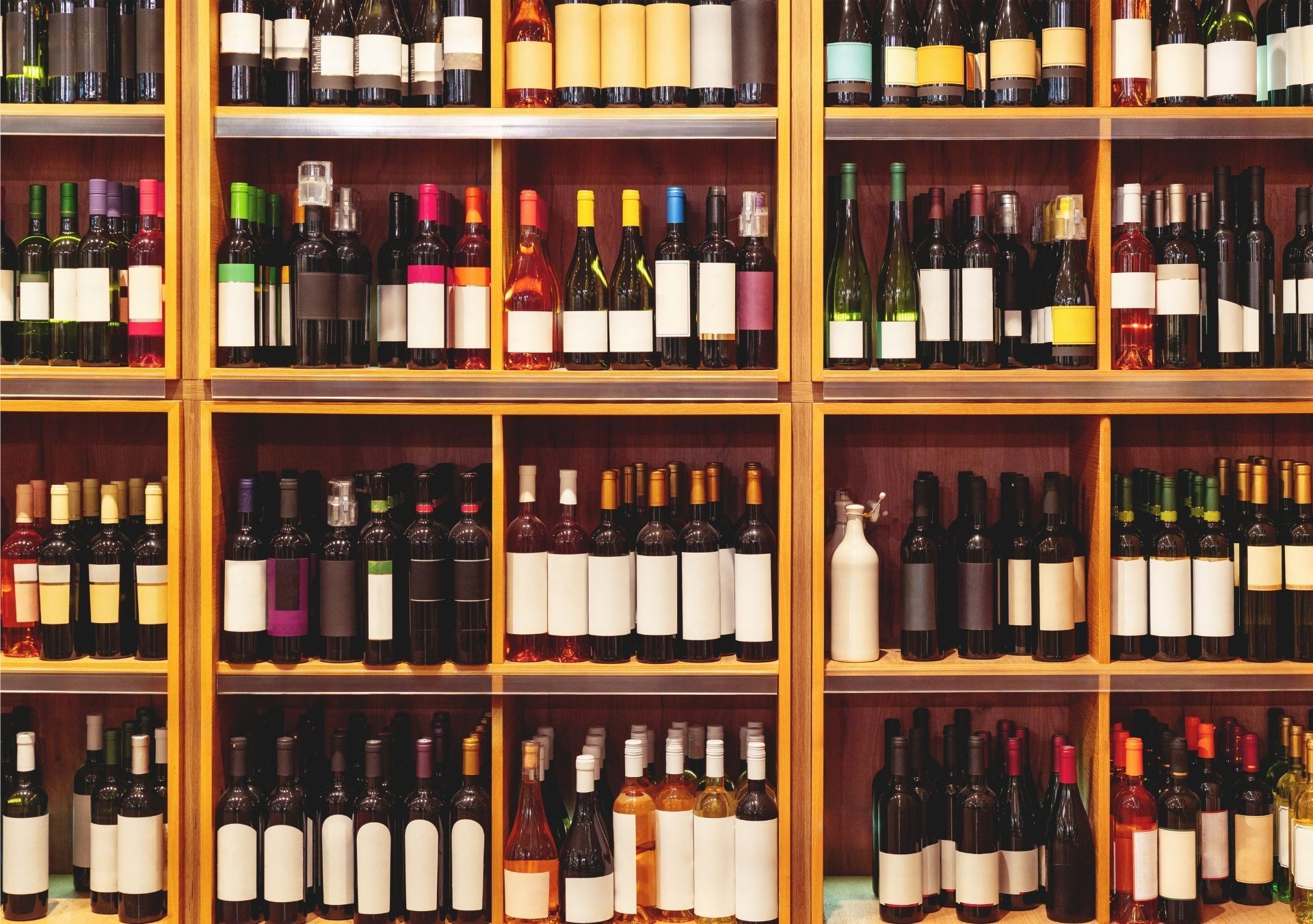
A single bottle of 1945 Château Mouton Rothschild recently sold for over $114,000 at auction. Now imagine a hundred bottles of similar caliber sitting in your Texas cellar, protected only by a
astandard homeowners policy with a $2,500 limit on "collectibles." That's the reality many Texas wine collectors face without realizing it. Your carefully curated collection represents years of hunting for rare vintages, attending auctions, and building relationships with importers. Yet most collectors don't discover their coverage gaps until after a catastrophic loss. With the Texas wine industry predicted to
contribute over $26 billion to the state's economy by the end of 2026, serious collectors throughout the Lone Star State are building impressive portfolios. Protecting your finest vintages with wine collection insurance in Texas isn't optional anymore. It's essential for anyone who's invested significant money in their cellar.
Why Standard Homeowners Insurance Falls Short for Texas Collectors
Your homeowners policy wasn't designed with a 500-bottle wine cellar in mind. Insurance companies categorize wine collections alongside baseball cards and stamp collections, lumping them into restrictive "personal property" limits that barely scratch the surface of a serious collector's investment.
Limitations on High-Value Personal Property
Most Texas homeowners policies cap coverage for collectibles somewhere between $1,000 and $5,000. That might cover a case of decent California Cabernet, but it won't replace even one bottle from your Burgundy allocation. For collections exceeding $50,000, specialized collectibles insurance becomes far more beneficial than relying on homeowners coverage. The math simply doesn't work otherwise.
Standard policies also apply depreciation to claims, meaning you'll receive what the insurance company determines your wine is worth today, not what you paid or what it would cost to replace. That 2005 Bordeaux you bought for $80 might be worth $400 now, but your adjuster doesn't care about auction prices.
Exclusions for Spoilage and Temperature Fluctuations
Here's where standard coverage really falls apart. Most homeowners policies explicitly exclude spoilage, meaning if your cooling unit fails and your collection cooks at 95 degrees for three days, you're on your own. Texas summers don't forgive equipment malfunctions, and neither do insurance adjusters reviewing standard policy language.
Temperature damage represents one of the most common ways collectors lose valuable wine, yet it's precisely the risk homeowners insurance refuses to cover. The same applies to humidity fluctuations that can destroy labels and compromise corks over time.

Specialty wine insurance exists because collectors need protection that actually matches their risks. Understanding the coverage options helps you build a policy that won't leave gaps when you need it most.
Blanket vs. Scheduled Item Coverage
Blanket coverage protects your entire collection under a single limit without requiring you to list every bottle. This works well for collections where most bottles fall within a similar value range. You'll pay a rate based on total collection value, typically ranging from $0.40 to $0.80 per $100 of wine covered annually.
Scheduled coverage lists specific bottles with individual values, which makes sense for trophy wines worth thousands each. Many collectors use a hybrid approach: blanket coverage for their everyday drinking wines and scheduled coverage for the irreplaceable bottles. This keeps premiums manageable while ensuring your most valuable pieces get proper attention.
Mechanical Breakdown and Power Outage Protection
Your wine cellar's cooling system is the only thing standing between your collection and the Texas heat. Quality wine policies cover mechanical breakdown of climate control equipment and resulting spoilage. This includes compressor failures, thermostat malfunctions, and refrigerant leaks.
Power outage coverage matters too. Extended outages from grid failures or storms can devastate a cellar within days. Some policies even cover the cost of emergency generator rental or temporary climate-controlled storage during extended power loss.
Transit Insurance for New Acquisitions and Moving
Wine is most vulnerable when it's moving. Transit coverage protects bottles during shipping from retailers, auction houses, or private sellers. It also covers your collection if you relocate your cellar or move to a new home.
A
good wine policy should cover up to 150% replacement cost for damages, accounting for the reality that replacing rare bottles often costs more than their insured value. This matters especially for transit claims, where replacement might require sourcing from secondary markets at premium prices.
Mitigating Texas-Specific Risks to Your Cellar
Texas throws unique challenges at wine collectors. The climate, weather patterns, and geography create risks that collectors in California or New York simply don't face at the same intensity.
Managing Humidity and Extreme Heat Waves
Texas summers routinely push temperatures above 100 degrees for weeks at a time. Your cooling system works overtime, and any failure becomes catastrophic within hours rather than days. Insurance companies know this, which is why they often require documentation of your climate control systems before issuing coverage.
Humidity presents the opposite problem. Texas air can swing from bone-dry to saturated depending on location and season. Proper cellar humidity sits between 60% and 70%, and maintaining that range requires equipment that can both add and remove moisture. Insurers may require humidity monitoring as a condition of coverage.
Protection Against Hurricane and Flood Damage
Coastal Texas collectors face hurricane risks that can destroy entire cellars through wind damage, flooding, or prolonged power outages. Standard flood insurance through FEMA doesn't adequately cover wine collections, and many homeowners don't realize their wine cellar sits in a flood zone until water starts seeping in.
Specialty wine policies can include flood coverage, but you'll pay more for it in high-risk areas. Some insurers require cellars to be located above ground level or mandate specific waterproofing measures before extending flood protection.

Determining the Insurable Value of Your Collection
Getting your collection's value right affects both your premiums and your potential payout. Underinsure, and you'll come up short after a loss. Overinsure, and you're wasting money on premiums for coverage you can't collect.
The Role of Professional Wine Appraisals
Professional appraisers examine your collection, verify authenticity, assess condition, and determine current market values. They'll document provenance, check for proper storage history, and flag any bottles that might face authenticity challenges during a claim.
Appraisal costs vary based on collection size, but expect to pay several hundred dollars for a mid-sized collection. Update appraisals every two to three years, or more frequently if you're actively acquiring rare bottles. Wine values fluctuate with market conditions, critic scores, and regional reputation shifts.
Market Value vs. Agreed Value Policies
Market value policies pay what your wine is worth at the time of loss, determined by the insurance company's assessment. This can lead to disputes, especially for rare bottles where comparable sales are limited. Agreed value policies establish a set amount upfront that you'll receive regardless of market fluctuations.
Agreed value coverage costs more but eliminates claims disputes. For trophy bottles, this certainty often justifies the premium increase. The minimum coverage amount with specialty insurers like Horton Group starts at $150,000, reflecting the serious nature of collections worth protecting.
Best Practices for Maintaining an Insurable Inventory
Insurance companies want proof of what you owned and its condition before any loss. Maintaining proper records isn't just good collecting practice; it's essential for successful claims.
Digital Tracking and Provenance Documentation
Cellar management software lets you track every bottle from acquisition through consumption or loss. Record purchase dates, prices, sources, and storage locations. Photograph labels, especially for older bottles where condition affects value significantly.
Provenance documentation proves your bottles are authentic and properly stored throughout their history. Keep receipts, auction records, and shipping documentation. For high-value bottles, temperature monitoring logs during shipping can prove proper handling and strengthen your position if authenticity questions arise during a claim.
Security Measures and Climate Monitoring Systems
Insurers often require or discount policies based on security measures. This might include locked cellar access, alarm systems, or security cameras. These requirements protect both you and the insurance company from theft losses.
Climate monitoring with alert capabilities has become standard for serious collectors. Systems that notify you via smartphone when temperatures or humidity drift outside acceptable ranges let you respond before damage occurs. Some insurers require this monitoring as a coverage condition, while others offer premium discounts for collectors who implement it voluntarily.
How to Choose the Right Specialty Insurer in the Lone Star State
Not all wine insurance is created equal, and not all insurers understand Texas-specific risks. Finding the right coverage partner requires evaluating more than just premium quotes.
Look for insurers with specific wine collection experience, not just general collectibles coverage. Ask about their claims process for spoilage losses, their requirements for appraisals, and whether they work with wine-specific adjusters. An adjuster who understands the difference between a corked bottle and a cooked one will handle your claim very differently than someone who usually assesses jewelry losses.
As one industry expert notes, using a homeowner's policy to insure wine can be expensive and may lead to lawsuits when losses occur. Specialty insurers understand wine, which means smoother claims and fairer settlements.
Compare coverage terms carefully. Some policies exclude certain loss types or impose waiting periods. Others require specific storage conditions that might not match your current setup. Get quotes from multiple specialty insurers and read policy language before committing.
Frequently Asked Questions
How much does wine collection insurance typically cost in Texas? Most collectors pay between $0.40 and $0.80 per $100 of collection value annually. A $100,000 collection might cost $400 to $800 per year to insure properly.
Does my homeowners insurance cover any wine losses? Standard policies typically cover only $1,000 to $5,000 for collectibles and exclude spoilage entirely. This leaves most serious collectors dramatically underinsured.
What documentation do I need for a wine insurance claim? You'll need purchase records, appraisals, photographs, and ideally cellar management software records showing what you owned and its condition before the loss.
Can I insure wine stored at a professional facility? Yes, most specialty policies cover wine regardless of storage location, including professional storage facilities, restaurants, or multiple personal properties.
How often should I update my collection appraisal? Every two to three years for stable collections, or immediately after significant acquisitions or market value changes affecting your holdings.
| Coverage Type | Homeowners Policy | Specialty Wine Insurance |
|---|---|---|
| Coverage Limit | $1,000-$5,000 | $150,000+ |
| Spoilage Coverage | Excluded | Included |
| Mechanical Breakdown | Excluded | Included |
| Transit Protection | Limited | Full Coverage |
| Agreed Value Option | No | Yes |
Protecting a serious wine collection requires insurance that matches the investment you've made. Standard homeowners coverage leaves too many gaps, especially for Texas collectors facing extreme heat, humidity challenges, and storm risks. Review your current coverage limits, document your collection thoroughly, and request quotes from specialty insurers who understand wine. The premiums are modest compared to the peace of mind you'll gain knowing your finest vintages are properly protected.
About The Author: Aaron Husman
As COO of The Phoenix Insurance, I’m focused on building lasting client relationships and delivering insurance solutions that make protection simple and effective. With years of experience in commercial and personal insurance, I take pride in helping individuals and businesses find coverage that brings confidence and peace of mind.
customer reviews
See What Our Clients Say About Us
Types of Auto Insurance
Insurance For Car Collectors By Car Collectors
Our team specializes in providing tailored insurance coverage for car collectors. Whether you own a rare classic, an exotic beauty, or a powerful muscle car, we understand the unique needs of your collection and work to ensure it’s protected with the care and expertise it deserves.


Contact us for better help and services. Explore all types of car insurance
FREQUENTLY ASKED QUESTIONS
At The Phoenix Insurance, we’re committed to answering your most pressing questions to ensure you feel confident about your coverage. From understanding the benefits of working with an independent agency to the specific insurance options we offer for Texas residents, we’ve got you covered.
What makes The Phoenix Insurance different from other insurance providers?
The Phoenix Insurance is an independent agency, meaning we work with multiple insurance carriers to find the best coverage and rates for your unique needs. Our proactive support and commitment to personalized service set us apart from other providers.
Why should I choose an independent insurance agency in Texas?
Independent agencies like The Phoenix Insurance offer more flexibility and personalized service than large, single-carrier companies. We compare coverage options from top-rated carriers to ensure you get the most value for your money.
Does The Phoenix Insurance provide coverage for real estate investors?
Yes, we specialize in insuring real estate investments, including single-family homes, apartments, commercial buildings, and industrial properties. Our team has extensive experience protecting real estate assets across Texas.
How does The Phoenix Insurance handle claims?
We guide clients through the entire claims process, working directly with the insurance carrier to ensure quick and fair resolutions. Our team is dedicated to providing the support you need when it matters most.
What types of insurance does The Phoenix Insurance offer for Texas residents?
We offer a wide range of personal and business insurance options, including home, auto, umbrella, and recreational vehicle coverage for individuals, as well as liability and property insurance for businesses and real estate investors.
Insurance Knowledge. Stories. Tips.
Our Latest Blogs
Explore expert tips, industry insights, and helpful resources from The Phoenix Insurance to stay informed and make confident decisions about your coverage.


Contact Us