

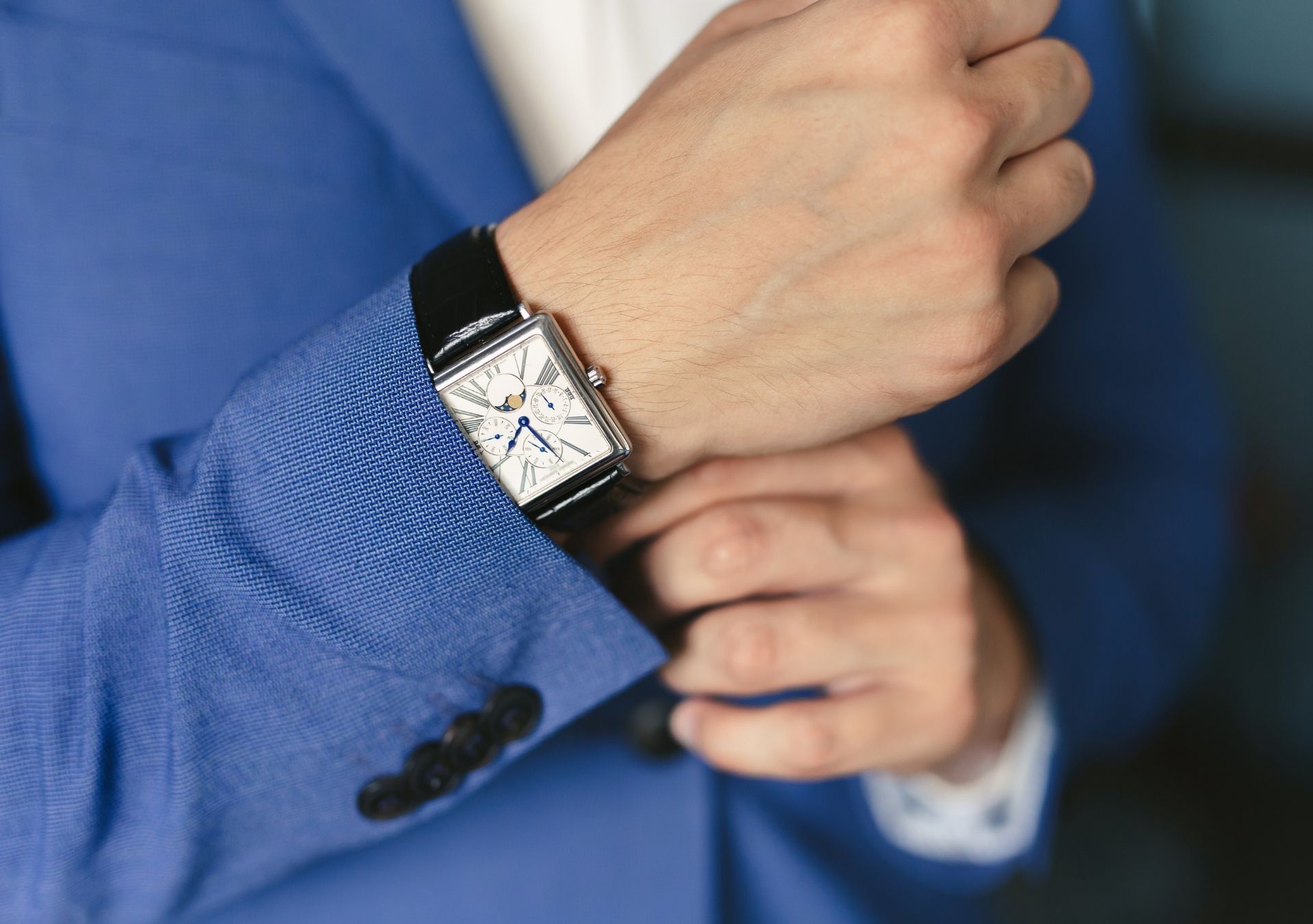
A single Patek Philippe Nautilus or vintage Rolex Daytona can represent more wealth than most people carry in their checking accounts. Texas is home to a thriving collector community, with major auction houses, authorized dealers, and horological events spread across Houston, Dallas, Austin, and San Antonio. Yet many Texas watch collectors don't realize their prized timepieces sit dangerously underinsured. If you own luxury watches and live in Texas, understanding your insurance options isn't optional; it's a financial necessity. This overview of luxury watch insurance coverage for Texas residents will walk you through the gaps in standard policies, the specialized protections available, what appraisals you'll need, and how to actually file a claim if the worst happens. Texas-specific risks like severe weather events, high property crime rates in metro areas, and frequent travel across state and international lines all shape the kind of policy you should carry. Whether your collection is worth $10,000 or $500,000, the principles are the same: know what you own, know what your policy actually covers, and close the gaps before they cost you.
Understanding Luxury Watch Insurance in the Texas Market
Texas collectors face a unique combination of risks. The state's sprawling metro areas see higher rates of property crime, and Gulf Coast weather events, from hurricanes to flash flooding, can destroy valuables in a matter of hours. Standard insurance products weren't designed with a $50,000 wristwatch in mind, which is why specialized coverage matters so much here.
Limitations of Standard Texas Homeowners Policies
Most Texas homeowners policies include a personal property provision, but the sub-limits for jewelry and watches are shockingly low. Standard policies typically limit coverage for jewelry and watches to between $500 and $2,500. If you own a single Omega Speedmaster, you've already exceeded that cap. That's not a typo: your homeowners policy might pay out less than the cost of a basic service on your watch.
These policies also tend to cover only named perils, meaning theft might be included but accidental damage or mysterious disappearance usually isn't. Drop your Submariner on a tile floor? You're likely out of luck. Leave it at a hotel and never see it again? Same story. The deductible on a homeowners claim can further erode any payout, sometimes making it pointless to file at all.
Benefits of Specialized Jewelry Riders and Schedules
A scheduled jewelry rider, sometimes called a floater, attaches to your homeowners policy and provides item-specific coverage at an agreed value. This eliminates the sub-limit problem entirely. Each watch is listed individually with its appraised value, and coverage typically extends to a broader range of perils.
That said, standalone jewelry and watch insurance policies often outperform riders. They tend to offer zero-deductible claims, worldwide coverage, and faster payouts. Some specialized insurers even
offer up to 125% of replacement value coverage with no deductible, which accounts for market appreciation between appraisals. For Texas collectors who travel frequently or own multiple high-value pieces, a dedicated policy is almost always the smarter choice.
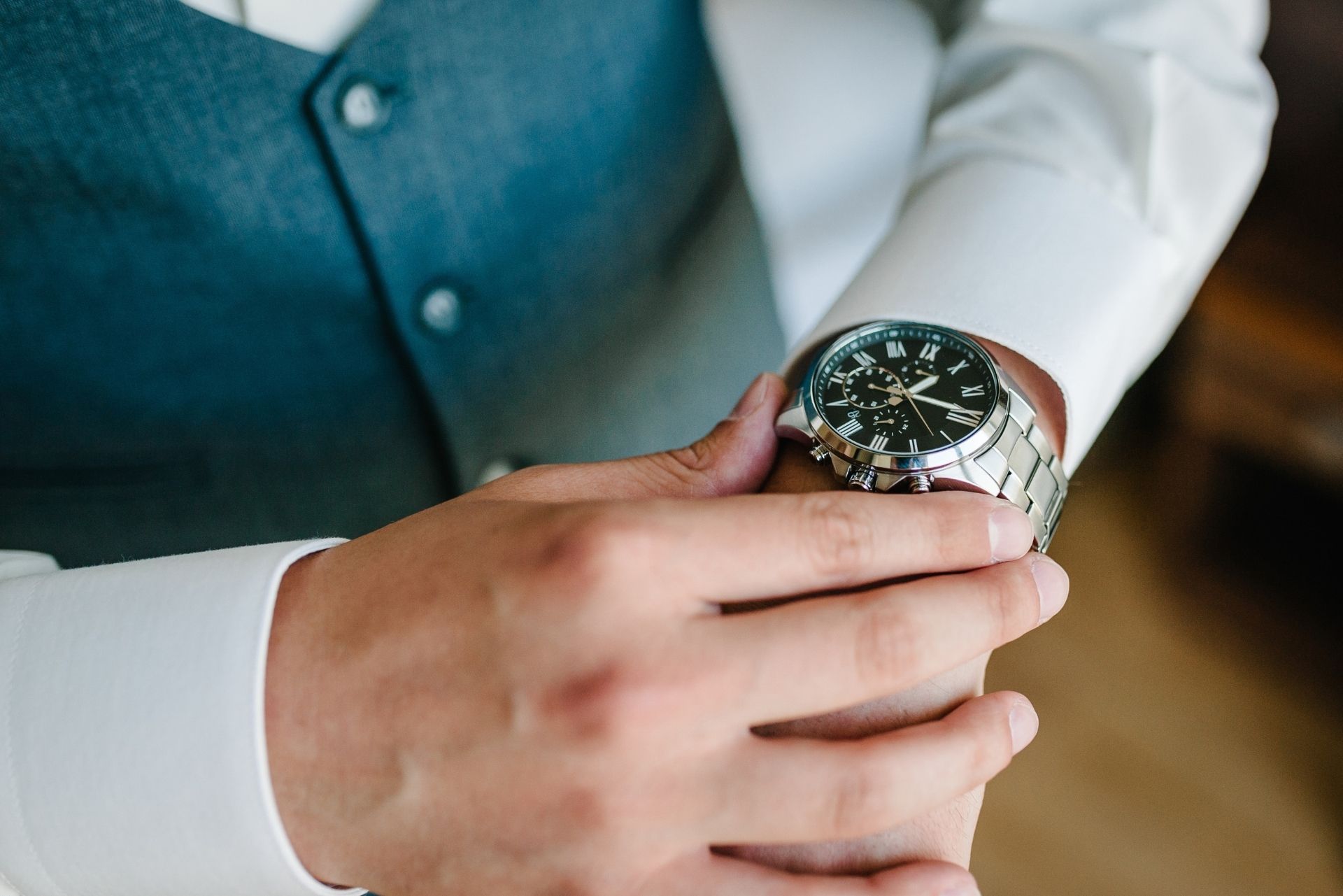
Essential Coverage Features for High-Value Timepieces
Not all watch insurance policies are created equal. The difference between a basic rider and a comprehensive standalone policy can mean tens of thousands of dollars in a claim. Here's what to look for.
Worldwide Protection Against Theft and Accidental Loss
Your watches don't stay in a safe 24/7. You wear them to dinner in Dallas, take them on business trips to New York, and maybe vacation in Europe. A quality policy covers your timepieces anywhere in the world, not just inside your Texas home. This includes protection against theft, whether it's a home burglary, a mugging, or a break-in at your car.
Accidental damage coverage is just as critical. Watches are mechanical instruments, and accidents happen. A hard knock against a doorframe can crack a crystal, damage a bezel, or destroy a movement. Policies that exclude accidental damage leave you exposed to the most common type of loss.
Mysterious Disappearance and Damage Coverage
Mysterious disappearance is exactly what it sounds like: your watch is gone and you don't know why. Maybe it slipped off your wrist at the beach, or you set it down somewhere and can't find it. Insurance experts note that specialized watch insurance provides protection against theft, accidental loss, mysterious disappearance, and damage, risks that standard policies almost never cover adequately. This single feature separates serious watch coverage from everything else.
Damage coverage should include both partial and total loss. A scratched case might cost $500 to refinish, while a flooded movement could total the piece entirely. Your policy should handle both scenarios without excessive out-of-pocket costs.
Agreed Value vs. Actual Cash Value Settlements
This distinction can make or break your claim experience. An actual cash value (ACV) policy pays what your watch is worth at the time of loss, minus depreciation. For vintage watches that appreciate over time, ACV might work in your favor, but for modern pieces, depreciation can slash your payout significantly.
An agreed value policy locks in a specific dollar amount when you schedule the watch. If you and the insurer agree your Royal Oak is worth $45,000, that's what you receive in a total loss, no haggling, no depreciation calculations. For most collectors, agreed value is the clear winner. One thing to keep in mind: agreed value policies require current appraisals, so you'll need to stay on top of valuations every two to three years.
| Feature | Standard Homeowners | Jewelry Rider | Standalone Watch Policy |
|---|---|---|---|
| Coverage Limit | $500 - $2,500 | Per-item scheduled value | Per-item agreed value |
| Mysterious Disappearance | No | Sometimes | Yes |
| Worldwide Coverage | Limited | Usually | Yes |
| Deductible | $500 - $2,500 | Varies | Often $0 |
| Accidental Damage | No | Sometimes | Yes |
| Claims Speed | Weeks | Weeks | 24-72 hours |
Valuation and Appraisal Requirements for Texas Collectors
An insurance policy is only as good as the appraisal backing it up. If your watch is undervalued on paper, your payout will reflect that, regardless of what the piece is actually worth on the secondary market.
Finding Certified Horological Appraisers in Texas
Texas has a solid network of certified appraisers, particularly in Houston and Dallas where the collector communities are largest. Look for appraisers who hold credentials from the American Society of Appraisers (ASA) or the National Association of Jewelry Appraisers (NAJA). A qualified horological appraiser will examine the watch's movement, case, dial, bracelet, and provenance documentation before assigning a value.
Don't rely on a purchase receipt as your appraisal. Market values shift, especially for brands like Rolex, Patek Philippe, and Audemars Piguet where secondary market prices can swing 20-30% in a single year. A professional appraisal captures the current replacement value, which is what your insurer needs to set coverage correctly.
Managing Market Volatility and Inflation Guards
The luxury watch market saw wild price swings between 2020 and 2024. A Rolex GMT-Master II that sold for $15,000 in 2019 might have peaked near $25,000 in 2022 before settling back down. If your appraisal is three years old, it may not reflect reality in either direction.
Schedule reappraisals every two to three years, or sooner if the market moves sharply. Some insurers offer inflation guard endorsements that automatically increase your coverage by a set percentage each year, typically 3-5%. This helps bridge the gap between appraisals but shouldn't replace them entirely. You can also expect to
pay around 1-2% of the watch's value annually for insurance, so insuring a $15,000 Rolex might cost $150-$300 per year, a small price for full peace of mind.

Risk Mitigation and Security Best Practices
Insurers reward collectors who take proactive steps to protect their watches. Better security often translates to lower premiums and smoother claims.
Home Security Systems and Safe Requirements
Most specialized insurers expect you to store high-value watches in a quality safe when they're not being worn. A TL-15 or TL-30 rated safe, bolted to the floor or wall, is the standard recommendation for collections exceeding $50,000. Pair that with a monitored alarm system that includes motion sensors and door/window contacts.
Texas homes face specific threats from severe storms. If you live along the Gulf Coast or in a flood-prone area, consider a fireproof and waterproof safe rated to withstand at least one hour of fire exposure at 1,700°F. Keep the safe on an upper floor if flooding is a realistic risk. Some collectors also install backup power systems to maintain alarm functionality during outages, which are common during Texas summer storms.
Documentation and Digital Inventory Management
Every watch in your collection should have a digital file containing high-resolution photos (front, back, caseback engravings, serial numbers), the original purchase receipt, warranty cards, service records, and the most recent appraisal. Store these files in a cloud-based system with encryption, not just on a local hard drive that could be destroyed alongside the watches themselves.
Dedicated inventory management apps designed for collectors can track purchase dates, service intervals, current market values, and insurance policy details in one place. Update your inventory whenever you buy, sell, service, or have a piece reappraised. This documentation becomes your best friend during a claim, proving ownership, condition, and value without ambiguity.
How to Select the Right Policy and File a Claim
Choosing the right insurer and understanding the claims process before you need it can save you weeks of frustration and thousands of dollars.
Comparing Specialized Inland Marine Policies
Inland marine insurance is the technical term for policies that cover movable property, and it's the backbone of most standalone watch coverage. When comparing policies, focus on five factors: agreed value vs. ACV, deductible amount, mysterious disappearance inclusion, worldwide coverage, and claims turnaround time.
Some premium carriers aim to respond to claims within 24 hours and issue payment within 48 hours of approval. That speed matters when you're dealing with a significant financial loss. Others provide automatic coverage for newly acquired pieces for up to 90 days, giving you a window to get a new purchase appraised and formally scheduled.
Navigating the Claims Process Following a Loss
If a watch is stolen, file a police report immediately. Most insurers require this within 24-72 hours. Contact your insurance company the same day if possible, and have your digital inventory ready to share: photos, serial numbers, appraisal documents, and proof of purchase.
For accidental damage, document the damage with photos before sending the watch for repair. Get a written estimate from an authorized service center. The insurer may want their own assessment, so don't authorize repairs until you've confirmed the process with your adjuster. Keep every receipt and piece of correspondence. Texas doesn't have specific statutes governing watch insurance claims differently from other personal property, but the Texas Department of Insurance can intervene if your insurer acts in bad faith or unreasonably delays payment.
Making the Right Choice for Your Collection
Protecting luxury watches in Texas requires more than a standard homeowners policy. The sub-limits are too low, the exclusions are too broad, and the risks, from Gulf Coast storms to big-city property crime, are too real. A standalone inland marine policy with agreed value coverage, zero deductible, and mysterious disappearance protection gives you the comprehensive safety net your collection deserves. Get current appraisals, invest in proper security, maintain a thorough digital inventory, and review your policy annually as your collection grows. The cost of proper insurance coverage for Texas watch collectors is a fraction of what a single uninsured loss would cost. Don't wait for a claim to find out your coverage falls short.
Frequently Asked Questions
Does my Texas homeowners insurance cover my Rolex? It might, but only up to the jewelry sub-limit, which is usually $500 to $2,500. That won't come close to replacing most luxury watches.
How much does luxury watch insurance cost in Texas? Expect to pay roughly 1-2% of the watch's insured value per year. A $15,000 watch would cost about $150-$300 annually to insure.
Do I need a separate appraisal for each watch? Yes. Each watch should have its own appraisal from a certified horological appraiser, updated every two to three years to reflect current market values.
What's mysterious disappearance coverage? It covers situations where your watch goes missing and you can't explain how or why. Standard homeowners policies almost never include this protection.
Can I insure watches I wear while traveling internationally? Yes, if your policy includes worldwide coverage. Most standalone watch insurance policies cover your timepieces anywhere in the world, not just at home.
How fast can I expect a claim payout? Some specialized insurers process claims within 24-48 hours of approval. Standard homeowners claims can take weeks or longer.
About The Author: Aaron Husman
As COO of The Phoenix Insurance, I’m focused on building lasting client relationships and delivering insurance solutions that make protection simple and effective. With years of experience in commercial and personal insurance, I take pride in helping individuals and businesses find coverage that brings confidence and peace of mind.
customer reviews
See What Our Clients Say About Us
Types of Auto Insurance
Insurance For Car Collectors By Car Collectors
Our team specializes in providing tailored insurance coverage for car collectors. Whether you own a rare classic, an exotic beauty, or a powerful muscle car, we understand the unique needs of your collection and work to ensure it’s protected with the care and expertise it deserves.


Contact us for better help and services. Explore all types of car insurance
FREQUENTLY ASKED QUESTIONS
At The Phoenix Insurance, we’re committed to answering your most pressing questions to ensure you feel confident about your coverage. From understanding the benefits of working with an independent agency to the specific insurance options we offer for Texas residents, we’ve got you covered.
What makes The Phoenix Insurance different from other insurance providers?
The Phoenix Insurance is an independent agency, meaning we work with multiple insurance carriers to find the best coverage and rates for your unique needs. Our proactive support and commitment to personalized service set us apart from other providers.
Why should I choose an independent insurance agency in Texas?
Independent agencies like The Phoenix Insurance offer more flexibility and personalized service than large, single-carrier companies. We compare coverage options from top-rated carriers to ensure you get the most value for your money.
Does The Phoenix Insurance provide coverage for real estate investors?
Yes, we specialize in insuring real estate investments, including single-family homes, apartments, commercial buildings, and industrial properties. Our team has extensive experience protecting real estate assets across Texas.
How does The Phoenix Insurance handle claims?
We guide clients through the entire claims process, working directly with the insurance carrier to ensure quick and fair resolutions. Our team is dedicated to providing the support you need when it matters most.
What types of insurance does The Phoenix Insurance offer for Texas residents?
We offer a wide range of personal and business insurance options, including home, auto, umbrella, and recreational vehicle coverage for individuals, as well as liability and property insurance for businesses and real estate investors.
Insurance Knowledge. Stories. Tips.
Our Latest Blogs
Explore expert tips, industry insights, and helpful resources from The Phoenix Insurance to stay informed and make confident decisions about your coverage.



Contact Us