

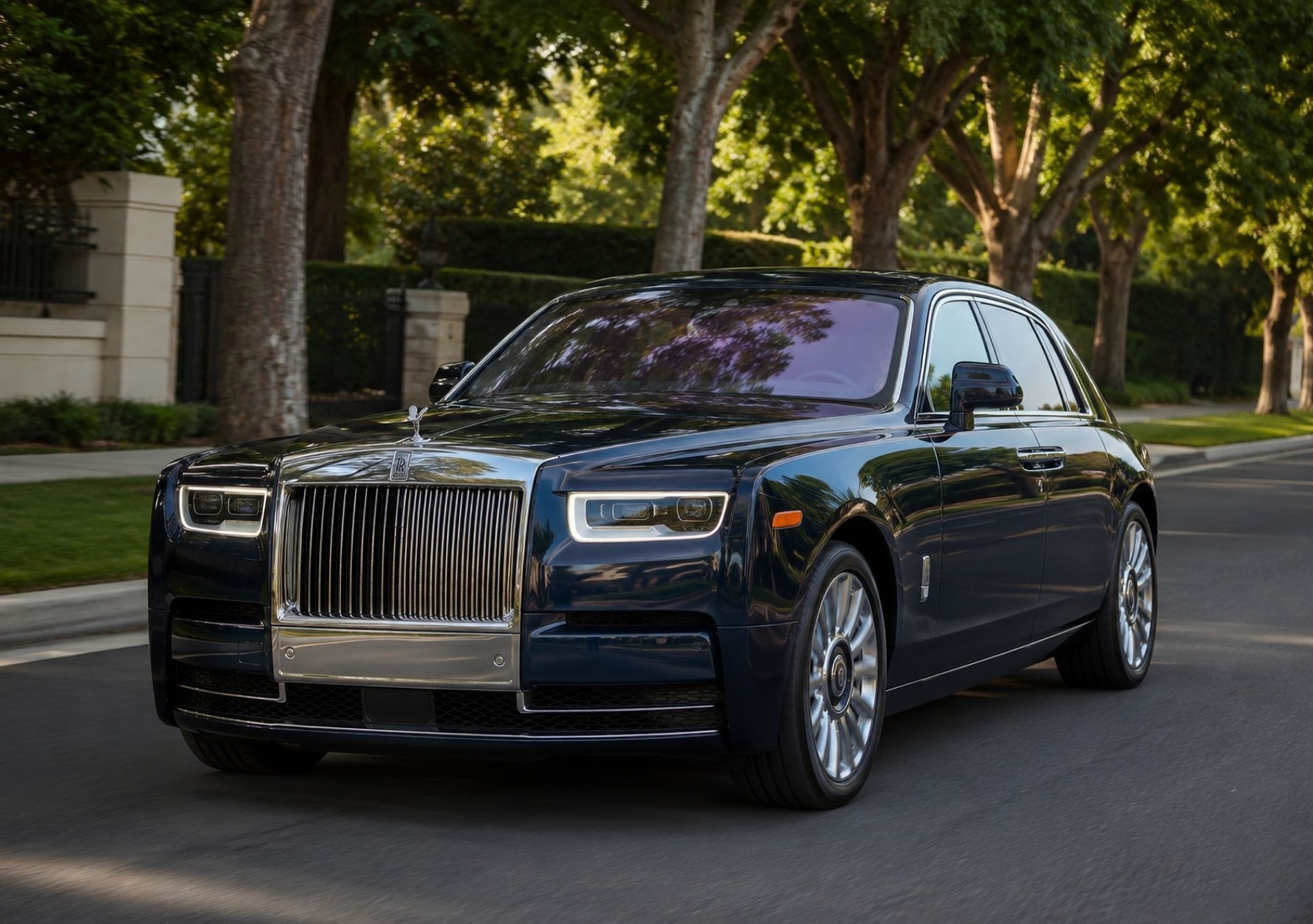
Owning a Rolls-Royce is a statement of taste, craftsmanship, and financial commitment. The purchase price, however, is only the beginning. Between maintenance, storage, and insurance, the ongoing costs of keeping a Rolls-Royce on the road can surprise even well-prepared buyers. Insurance alone can run several times higher than what you'd pay for a standard sedan, and picking the wrong policy can leave you exposed to tens of thousands of dollars in out-of-pocket costs after a single incident. Whether you own a Ghost, a Phantom, or the increasingly popular Cullinan SUV, understanding the cost and coverage details of
Rolls-Royce car insurance is essential before you sign any policy. The right coverage protects your investment. The wrong coverage creates a false sense of security that crumbles the moment you file a claim. This guide breaks down real premium numbers, compares policy types, and offers practical strategies for keeping your rates manageable without sacrificing the protection your vehicle demands.
The Real Cost of Insuring a Rolls-Royce
Insurance premiums for ultra-luxury vehicles exist in a different universe than those for everyday cars. A typical full-coverage policy on a mid-range sedan might cost $1,800 to $2,400 per year. For a Rolls-Royce, you should expect to pay three to five times that amount, depending on the model, your driving history, and where you live. The high repair costs, limited parts availability, and sheer replacement value of these vehicles all push premiums upward.
Average Annual Premiums by Model
The Phantom, Rolls-Royce's flagship sedan, carries an average annual insurance cost of roughly $8,465. The Cullinan SUV, which has become one of the brand's best sellers since its introduction, runs from approximately $9,000 and up per year. The Ghost tends to sit slightly below the Phantom in premium cost, typically ranging from $6,500 to $8,000 annually. Newer Spectre electric models are still building actuarial data, but early quotes suggest premiums in the $8,000 to $10,000 range due to the high cost of battery and drivetrain components.
These figures assume a clean driving record, a garaged vehicle, and a driver over age 30. If you're younger, live in a high-theft metro area like Miami or Los Angeles, or have any at-fault accidents in the past five years, expect premiums to climb significantly. A 25-year-old driver in New York City could see Phantom insurance costs exceed $14,000 annually.
Factors That Drive High Luxury Premiums
Several factors stack on top of each other to push Rolls-Royce premiums so high. Repair costs are the biggest driver: a single fender repair on a Phantom can exceed $10,000 because of hand-finished paint, custom body panels, and the specialized labor required. Parts often need to be sourced directly from the manufacturer, and Rolls-Royce warranty and service requirements add another layer of cost that insurers factor into their pricing models.
Theft risk also plays a role. While Rolls-Royce vehicles aren't stolen as frequently as some other luxury brands, the per-incident loss is enormous. Insurers also weigh
liability exposure: a vehicle worth $350,000 or more tends to be associated with higher liability claim payouts in litigation. Your ZIP code, annual mileage, credit history (in states that allow it), and
claims history all feed into the final number.
Standard vs. Specialty Insurance Coverage
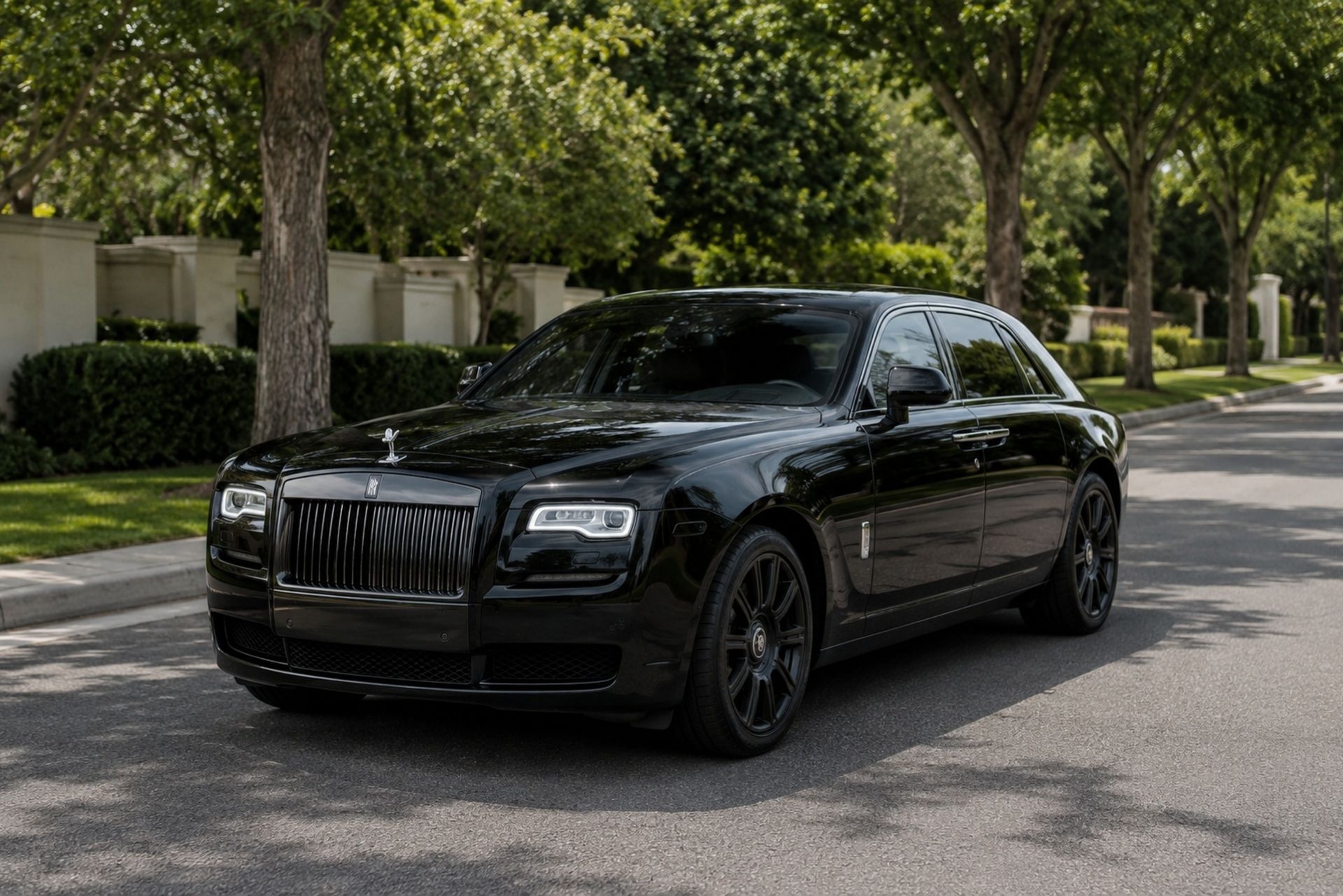
One of the most consequential decisions you'll make is whether to insure your Rolls-Royce through a standard auto insurance carrier or a specialty insurer that focuses on high-value and collector vehicles. The difference isn't just about price. It's about how your car is valued after a loss, who repairs it, and what parts go on it.
Agreed Value vs. Actual Cash Value
Standard auto policies typically use actual cash value, or ACV, to determine your payout after a total loss. ACV takes the market value of your car and subtracts depreciation. For a three-year-old Cullinan that you paid $380,000 for, an ACV policy might only pay out $280,000, leaving you with a six-figure gap.
Agreed value policies work differently. You and the insurer agree on a specific value when the policy is written, and that's what you receive if the vehicle is totaled. No depreciation deductions, no haggling. This approach is the standard for insuring exotic and ultra-luxury cars because it reflects the true cost of replacing a vehicle that may appreciate or hold value far better than a mass-market car. One thing to keep in mind: agreed value policies typically require a professional appraisal, and you should update that appraisal every two to three years to ensure your coverage keeps pace with market fluctuations.
OEM Parts and Specialized Repair Shop Riders
After an accident, a standard insurer might authorize aftermarket parts or send your Rolls-Royce to a general body shop. That's a problem. Non-OEM parts can affect the vehicle's fit, finish, and long-term value. A Rolls-Royce repaired with generic components loses provenance and resale appeal.
Specialty policies often include OEM parts guarantees and allow you to choose a Rolls-Royce authorized repair facility. Some policies offer a "repair shop of choice" rider, which ensures you won't be forced into a network shop that lacks experience with hand-built British luxury cars. If your policy doesn't include this by default, ask for it as an endorsement. The added cost is usually modest compared to the protection it provides.
Comparing Policy Types for Ultra-Luxury Cars
Choosing between a standard policy and a collector or specialty policy isn't always straightforward. Your driving habits, how many miles you put on the car each year, and whether the vehicle is a daily driver or a weekend car all influence which option makes sense.
Comparison Table: Standard vs. Collector Policies
| Feature | Standard Auto Policy | Collector/Specialty Policy |
|---|---|---|
| Valuation Method | Actual Cash Value (ACV) | Agreed Value |
| Parts Used in Repairs | Aftermarket allowed | OEM parts guaranteed |
| Repair Shop Choice | Insurer's network | Owner's choice (authorized shops) |
| Mileage Restrictions | None | Often 2,500-7,500 miles/year |
| Premium Range (Phantom) | $8,000-$12,000/year | $4,000-$7,000/year |
| Transit/Show Coverage | Not included | Often included |
| Eligibility | Any vehicle | May require garage storage |
The catch is that collector policies come with mileage caps. If you drive your Rolls-Royce daily, you may not qualify. But if the car spends most of its time garaged and comes out for weekend drives or events, a collector policy can actually cost less than a standard one while providing superior coverage. Specialty insurers like Hagerty, Chubb, and Grundy understand the unique needs of high-value automobile coverage in ways that mass-market carriers simply don't.
Ways to Reduce Your Rolls-Royce Insurance Rates
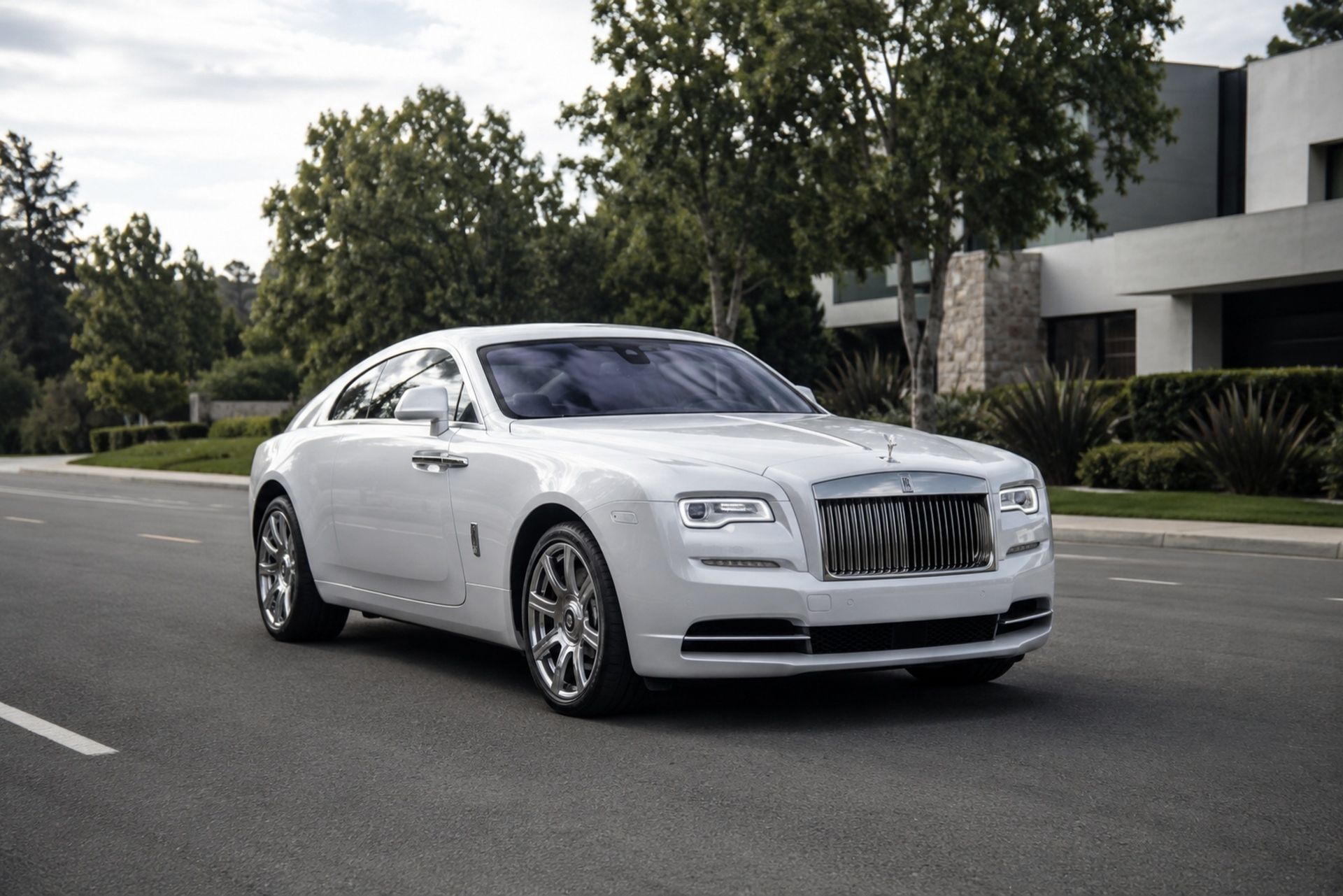
Even with a vehicle that commands premium pricing, there are practical strategies to bring your costs down without gutting your coverage.
The Benefit of Bundling and Multi-Vehicle Policies
If you own multiple vehicles, bundling them under one insurer often triggers a multi-car discount of 10% to 25%. This works particularly well when you pair a Rolls-Royce with a more affordable daily driver. The insurer sees reduced risk on the Rolls-Royce because it's clearly not your everyday car, and you benefit from a lower blended rate.
Bundling your home, umbrella liability, and auto policies with the same carrier can yield even deeper discounts. High-net-worth insurers like Chubb and PURE specialize in packaging these coverages together. An umbrella policy is worth serious consideration anyway: if you're involved in a serious accident while driving a $400,000 car, juries and attorneys tend to assume deep pockets, and a $1 million umbrella policy costs surprisingly little relative to the protection it provides.
Usage-Based and Storage Discounts
If your Rolls-Royce lives in a climate-controlled garage with a security system, make sure your insurer knows. Garaged vehicles face lower theft and weather damage risk, and most carriers offer a discount for verified secure storage. Some owners install GPS tracking systems, which can reduce premiums by another 5% to 10%.
Usage-based insurance programs, where you share telematics data showing low mileage and safe driving habits, are becoming more common even for luxury vehicles. If you're only putting 3,000 miles a year on your Ghost, that data can meaningfully lower your rate. Ask your insurer specifically about low-mileage pricing tiers, because many carriers have them but don't advertise them prominently.
Common Questions About Rolls-Royce Insurance
FAQ: What should I know before I buy?
Do I need special insurance for a Rolls-Royce, or will my regular carrier work? A regular carrier can write a policy, but you'll likely get ACV coverage with aftermarket parts. For a vehicle of this value, a specialty insurer offering agreed value and OEM parts protection is a much better fit.
How much does Rolls-Royce insurance cost per month? Monthly costs typically range from $500 to $1,000 or more depending on the model and your profile. A Phantom averages around $700 per month, while a Cullinan can exceed $750.
Will my premiums go down if I store the car seasonally? Yes. Many insurers offer lay-up coverage or seasonal storage discounts that reduce your premium during months the car isn't driven. You maintain comprehensive coverage but drop collision and liability while the car is stored.
Does my credit score affect my Rolls-Royce insurance rate? In most states, yes. Insurers use credit-based insurance scores as a rating factor. California, Hawaii, Massachusetts, and a few other states prohibit this practice, but elsewhere your credit profile directly influences your premium.
Are Rolls-Royce electric models more expensive to insure? Early data on the Spectre suggests slightly higher premiums due to expensive battery components and limited repair facility availability. Expect this gap to narrow as more EV-trained technicians enter the market.
What happens if my Rolls-Royce is damaged during transport to a show or event?
Standard auto policies rarely cover transit damage. Collector and specialty policies often include transit coverage as a built-in benefit, protecting the vehicle while it's on a flatbed or enclosed trailer.
Making the Right Choice for Your Vehicle
Insuring a Rolls-Royce isn't just about finding the lowest premium. It's about matching the policy to the vehicle's true value and your specific ownership pattern. An agreed value policy with OEM parts coverage and repair shop choice protects your investment in ways a standard policy simply can't. If you drive fewer than 5,000 miles per year, a collector policy may save you money while providing better protection.
Take the time to get quotes from both standard and specialty insurers. Compare not just the premium but the valuation method, parts guarantees, and deductible options. Have your vehicle professionally appraised, keep that appraisal current, and document everything with detailed photographs and digital records. The cost of Rolls-Royce car insurance is significant, but the cost of being underinsured after a major loss is far worse. Get the right policy in place before you need it, not after.
About The Author: Aaron Husman
As COO of The Phoenix Insurance, I’m focused on building lasting client relationships and delivering insurance solutions that make protection simple and effective. With years of experience in commercial and personal insurance, I take pride in helping individuals and businesses find coverage that brings confidence and peace of mind.
customer reviews
See What Our Clients Say About Us
Types of Auto Insurance
Insurance For Car Collectors By Car Collectors
Our team specializes in providing tailored insurance coverage for car collectors. Whether you own a rare classic, an exotic beauty, or a powerful muscle car, we understand the unique needs of your collection and work to ensure it’s protected with the care and expertise it deserves.


Contact us for better help and services. Explore all types of car insurance
FREQUENTLY ASKED QUESTIONS
At The Phoenix Insurance, we’re committed to answering your most pressing questions to ensure you feel confident about your coverage. From understanding the benefits of working with an independent agency to the specific insurance options we offer for Texas residents, we’ve got you covered.
What makes The Phoenix Insurance different from other insurance providers?
The Phoenix Insurance is an independent agency, meaning we work with multiple insurance carriers to find the best coverage and rates for your unique needs. Our proactive support and commitment to personalized service set us apart from other providers.
Why should I choose an independent insurance agency in Texas?
Independent agencies like The Phoenix Insurance offer more flexibility and personalized service than large, single-carrier companies. We compare coverage options from top-rated carriers to ensure you get the most value for your money.
Does The Phoenix Insurance provide coverage for real estate investors?
Yes, we specialize in insuring real estate investments, including single-family homes, apartments, commercial buildings, and industrial properties. Our team has extensive experience protecting real estate assets across Texas.
How does The Phoenix Insurance handle claims?
We guide clients through the entire claims process, working directly with the insurance carrier to ensure quick and fair resolutions. Our team is dedicated to providing the support you need when it matters most.
What types of insurance does The Phoenix Insurance offer for Texas residents?
We offer a wide range of personal and business insurance options, including home, auto, umbrella, and recreational vehicle coverage for individuals, as well as liability and property insurance for businesses and real estate investors.
Insurance Knowledge. Stories. Tips.
Our Latest Blogs
Explore expert tips, industry insights, and helpful resources from The Phoenix Insurance to stay informed and make confident decisions about your coverage.


Contact Us