

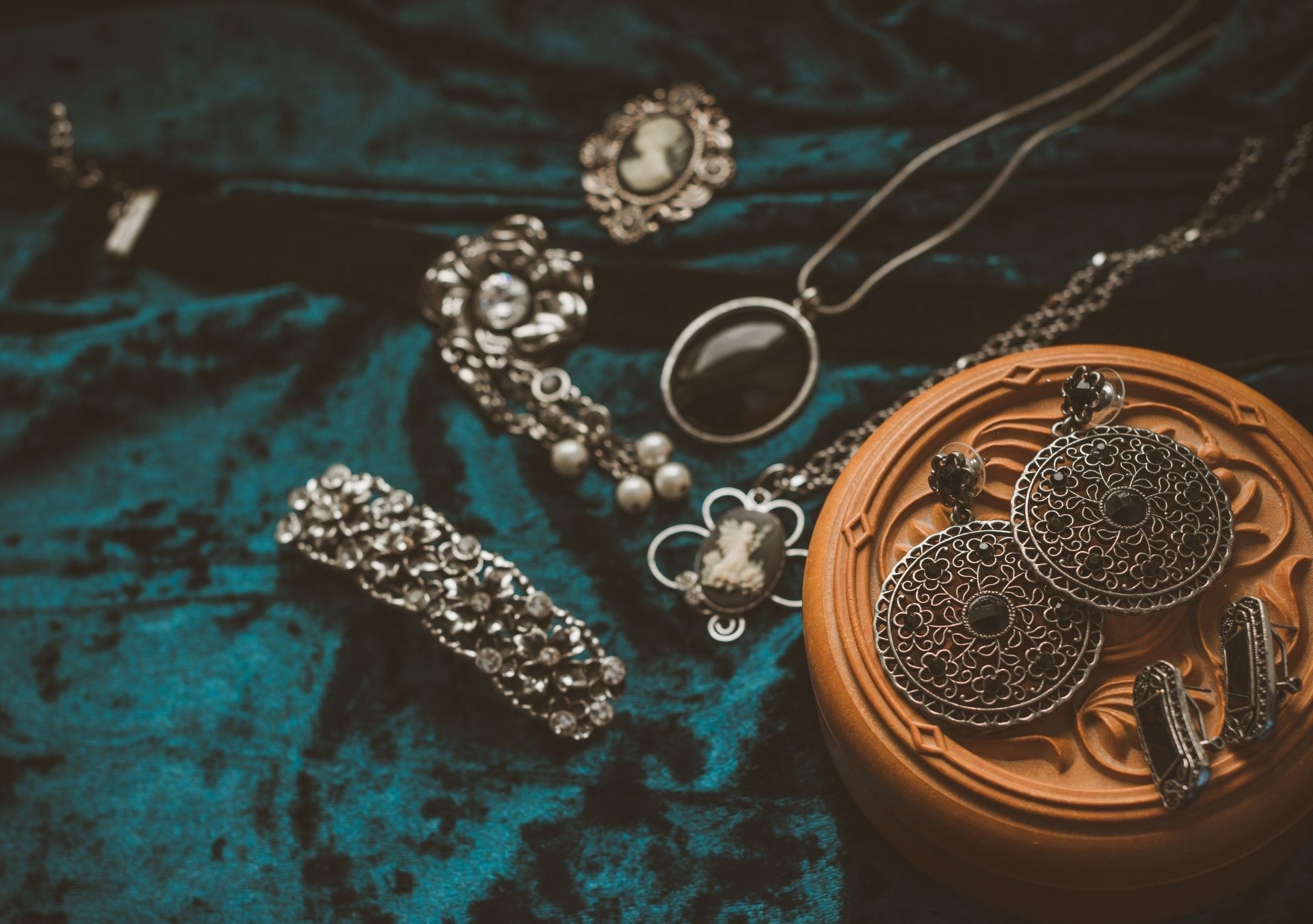
A grandmother's Art Deco diamond brooch, a Victorian mourning ring passed down through four generations, a mid-century Cartier bracelet picked up at a Dallas estate sale: these aren't just accessories. They're irreplaceable pieces of history with financial value that often surprises their owners. If you own
antique jewelry in Texas, your
standard homeowners policy probably isn't doing what you think it's doing. Most policies cap jewelry payouts at $1,500 to $2,500, which won't come close to covering a single significant piece. This antique jewelry insurance coverage guide is built specifically for Texas collectors who want real protection, not a false sense of security. The Lone Star State brings its own set of risks, from Gulf Coast hurricanes to high humidity that can corrode delicate vintage settings. Pair those environmental threats with rising theft rates in metro areas like Houston, Dallas, and San Antonio, and the case for specialized coverage becomes hard to ignore. Whether you've inherited a single heirloom or you're building a curated collection, understanding how Texas insurance law, appraisal requirements, and policy structures work together will save you from nasty surprises when you need protection most.
Understanding Antique Jewelry Insurance in the Texas Market
Antique jewelry occupies a unique space in the insurance world. Unlike a modern engagement ring you can replace at a retail jeweler, a Georgian-era garnet necklace or an Edwardian platinum filigree ring carries value tied to age, craftsmanship, provenance, and rarity. Standard insurance products weren't designed with these factors in mind. Specialized jewelry coverage, as one major insurer puts it, is designed to cover loss, theft, or damage, offering protection beyond standard homeowners or renters insurance. That distinction matters more than most people realize.
Texas insurance law adds another layer. Under state code, an insurer may elect to pay either the stated value of the jewelry item or the actual cost of replacing it with one of like kind and quality. For antique pieces, "like kind and quality" can be nearly impossible to define, which is exactly why your policy language needs careful attention.
Distinguishing Between Homeowners Policies and Specialized Riders
Your homeowners or renters policy includes some jewelry coverage, but it's limited in ways that catch people off guard. Most HO-3 policies in Texas cover jewelry only under "personal property" with a sub-limit, often $1,500 for theft. That means your $12,000 Art Nouveau enamel pendant gets the same payout as a costume piece from a department store.
You have two options to close that gap: a scheduled rider on your existing homeowners policy or a standalone jewelry insurance policy. A rider adds specific items to your homeowners coverage at a higher limit, but it still ties your jewelry claims to your homeowners deductible and claims history. A standalone policy from a specialty insurer typically offers broader coverage, no deductible, and won't affect your homeowners premiums if you file a claim. For antique pieces worth over $5,000, standalone policies almost always make more sense.
The Importance of Agreed Value vs. Actual Cash Value
This is where antique jewelry insurance gets tricky. "Actual cash value" policies pay what your piece is worth today minus depreciation. For a 150-year-old brooch, depreciation calculations become absurd because the piece's age is part of what makes it valuable.
"Agreed value" policies lock in a pre-determined amount that you and the insurer agree upon at the time of underwriting. If you lose a piece insured for $8,000 under agreed value, you get $8,000, no arguments about market fluctuations or depreciation formulas.
For antique and estate jewelry, agreed value is the only approach that makes financial sense. The catch is that agreed value policies require a current, professional appraisal, and they cost slightly more in annual premiums. That trade-off is worth every penny.

Texas-Specific Risks and Coverage Considerations
Texas geography creates a unique risk profile for jewelry owners. The state spans multiple climate zones, sits in a hurricane corridor, and includes several of the country's fastest-growing metro areas with corresponding property crime rates.
Protecting Against Natural Disasters and Humidity Damage
Hurricane season runs June through November along the Texas coast, and inland flooding can strike cities as far from the Gulf as Austin and San Antonio. If you lived through Hurricane Harvey in 2017, you know that water damage doesn't discriminate. A flooded safe deposit box or a waterlogged home safe can destroy vintage pieces with porous gemstones like opals, pearls, and turquoise.
Humidity is the slower, quieter threat. Coastal cities like Corpus Christi and Galveston see average humidity above 75% for much of the year. That moisture corrodes silver settings, tarnishes gold alloys, and can weaken antique adhesives holding stones in place. Your policy should explicitly cover water damage and gradual deterioration. Many standard riders exclude "wear and tear," which some adjusters interpret broadly enough to deny humidity-related claims. Climate-controlled storage, ideally with HVAC backup power, isn't just good practice; it can directly influence your premium rates.
Theft and Mysterious Disappearance Provisions
Texas saw over 550,000 property crimes reported in a recent year, with Houston, Dallas-Fort Worth, and San Antonio accounting for a significant share. Burglary is the obvious concern, but "mysterious disappearance" coverage matters just as much for jewelry owners. This provision covers situations where a piece simply goes missing without evidence of theft, like a ring that slips off at a restaurant or earrings lost during travel.
Not all policies include mysterious disappearance. If yours doesn't, you're only covered when there's proof of a specific theft event, a police report, evidence of forced entry, or witness statements. For pieces you wear regularly, mysterious disappearance coverage is non-negotiable.
The Appraisal Process for Vintage and Estate Pieces
No appraisal, no coverage. That's the reality for any antique jewelry piece worth serious money. For items worth more than $1,000, obtaining a professional appraisal is essential for insurance purposes. Antique pieces require appraisers who understand historical context, not just current gem market prices.
Finding Certified Texas Gemologists and Appraisers
Look for appraisers with credentials from the American Society of Appraisers (ASA) or the American Gem Society (AGS). In Texas, you'll find qualified professionals concentrated in Dallas, Houston, Austin, and San Antonio, but many offer mail-in or virtual consultation services for collectors in smaller cities.
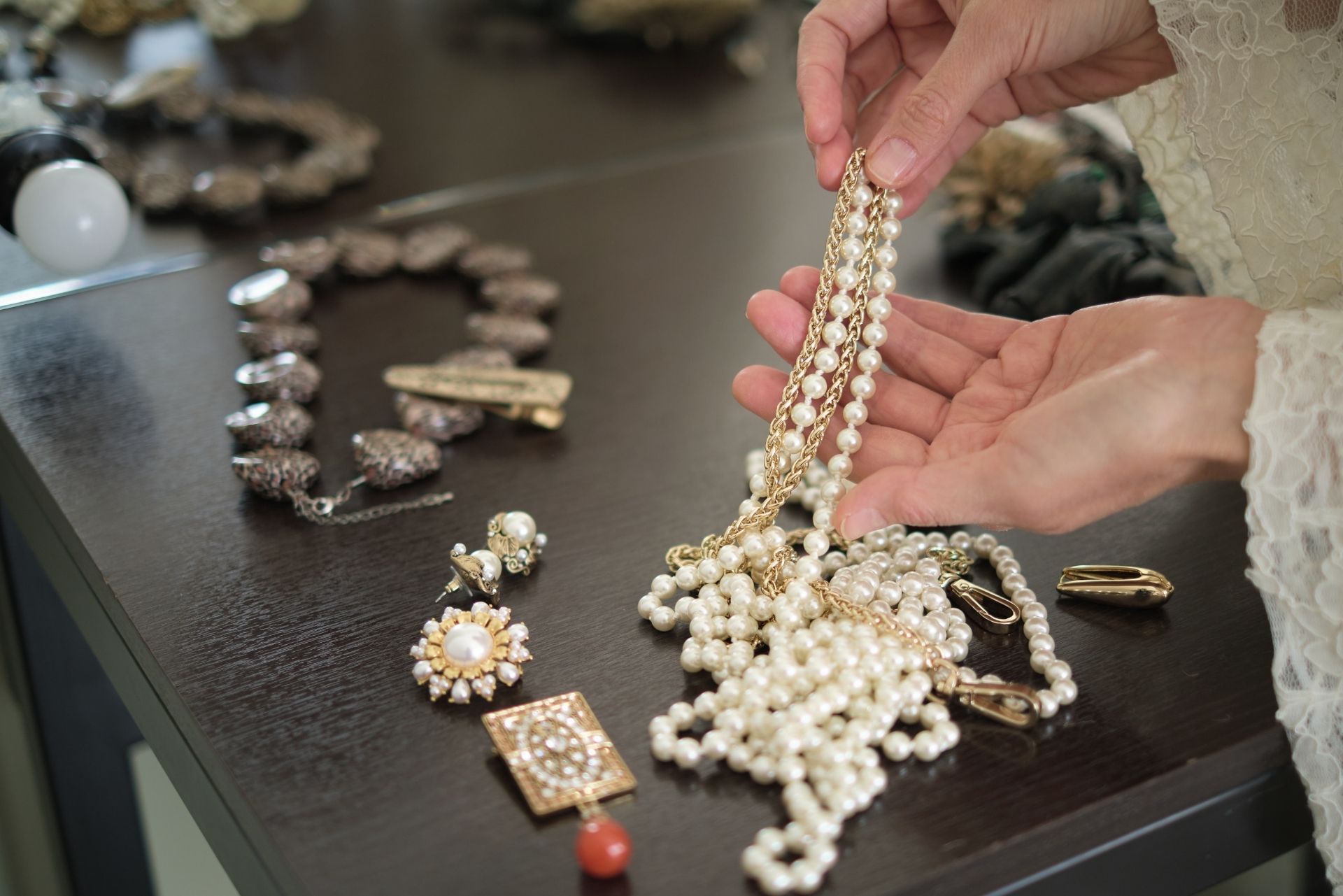
One thing to keep in mind: the appraiser should have specific experience with antique and period jewelry. A gemologist who primarily works with modern bridal jewelry may not recognize the significance of a Victorian rose-cut diamond or properly value hand-engraved Edwardian platinum work. Ask for references and examples of past antique appraisals before committing. Expect to pay $50 to $150 per item for a thorough insurance appraisal, which should include detailed photographs, measurements, and a written description of the piece's era, materials, and condition.
Frequency of Re-valuations for Antique Assets
The antique jewelry market fluctuates. A piece appraised at $4,000 three years ago might be worth $6,500 today due to shifts in collector demand or precious metal prices. Major specialty insurers recommend getting jewelry appraised every two years to keep coverage aligned with current market value.
For Texas collectors, re-appraisal is especially important after major market events. If gold prices spike or a particular era of jewelry becomes trendy at auction houses, your coverage could fall short. Treat re-appraisals as routine maintenance for your policy, not an optional chore.
How to Select a Texas Jewelry Insurance Provider
Choosing the right provider involves more than comparing premium quotes. The details of how a company handles claims, structures deductibles, and communicates during stressful moments matter far more than saving $20 a year.
Evaluating Deductible Options and Premium Costs
Jewelry insurance in Texas typically costs 1% to 2% of the insured item's total value annually. That means insuring a $5,000 estate ring might run $50 to $100 per year. Standalone jewelry policies often come with zero-deductible options, which is a significant advantage over homeowners riders that tie into your $1,000 or $2,500 home deductible.
Here's a quick comparison of your main options:
| Feature | Homeowners Rider | Standalone Jewelry Policy |
|---|---|---|
| Typical Deductible | $500 - $2,500 | $0 - $250 |
| Annual Cost | 1% - 2% of value | 1% - 2% of value |
| Mysterious Disappearance | Often excluded | Usually included |
| Impact on Home Policy | Claims affect premiums | No impact |
| Agreed Value Option | Sometimes available | Standard |
| Transit Coverage | Rarely included | Typically included |
For collectors who travel with pieces or move items for shows, appraisals, or restoration, transit coverage is a critical detail. Standalone policies typically extend protection beyond your primary residence, covering pieces in transit or temporarily stored elsewhere.
Reviewing Claims Settlement Reputation and Procedures
A policy is only as good as the company's willingness to pay claims. Before signing, research how the insurer handles antique jewelry claims specifically. Ask these questions directly:
- Do they allow you to choose your own repair jeweler for antique restoration?
- Will they replace with a comparable antique piece, or do they substitute modern equivalents?
- What's their average claims processing time? (Aim for companies that resolve within 30 to 45 days.)
- Do they require a police report for all theft claims, or just those above a certain threshold?
Read independent reviews and check complaint records with the Texas Department of Insurance. A company with low premiums but a pattern of denied antique claims isn't saving you anything.
Steps to Secure and Maintain Your Coverage
Getting insured is step one. Keeping your coverage valid and your premiums reasonable requires ongoing effort.
Required Documentation and Digital Inventory Storage
Every insured piece needs a paper trail. At minimum, you should maintain current appraisals, purchase receipts or provenance documentation, high-resolution photographs from multiple angles, and any certificates of authenticity or gemological reports.
Store digital copies in at least two locations: a cloud-based inventory management tool and a local encrypted backup. Apps designed for collectible inventory can timestamp photos and link them to appraisal documents, creating an organized record that speeds up claims processing. If you ever need to file a claim, having a detailed digital inventory with photographic evidence can mean the difference between a 30-day resolution and a months-long dispute.
Provenance documentation deserves special attention for antique pieces. Title history, auction records, and inheritance documents protect you against ownership disputes and strengthen your insurance claim if a piece is stolen and later recovered.
Safe Storage and Security Requirements for Lower Premiums
Most insurers offer premium discounts for policyholders who meet specific security standards. A UL-rated home safe bolted to the floor, a monitored alarm system, and security cameras can reduce your annual cost by 5% to 15%. For collections valued above $50,000, some insurers require a TL-rated safe or a bank safe deposit box for pieces not being worn.
Keep your safe in an interior room away from exterior walls, ideally above potential flood lines if you're in a flood-prone area. Maintain stable temperature and humidity inside your storage area: 65 to 75 degrees Fahrenheit with 40% to 50% relative humidity is ideal for most antique jewelry materials. A small dehumidifier and a backup power source for your HVAC system are smart investments that protect both your collection and your coverage standing.
Making the Right Choice for Your Collection
Protecting antique jewelry in Texas requires more than a generic insurance add-on. The combination of state-specific legal provisions, environmental risks from hurricanes to humidity, and the irreplaceable nature of vintage pieces demands a thoughtful approach. Start with a professional appraisal from a credentialed expert who understands period jewelry. Choose an agreed value standalone policy with mysterious disappearance coverage and zero deductible. Build a digital inventory, store it securely, and commit to re-appraisals every two years.
Your antique jewelry tells a story that no modern replacement can replicate. The right insurance coverage ensures that story, and its financial value, stays protected no matter what Texas weather, theft, or simple bad luck throws your way. Talk to a licensed Texas insurance agent who specializes in high-value personal property, and get your collection properly covered before the next storm season arrives.
FAQ
How much does it cost to insure antique jewelry in Texas? Expect to pay 1% to 2% of the appraised value per year. A piece valued at $10,000 would cost roughly $100 to $200 annually for standalone coverage.
Does my homeowners insurance already cover my antique jewelry? It provides limited coverage, usually capped at $1,500 to $2,500 for jewelry theft. That's rarely enough for antique or estate pieces of significant value.
How often should I get my antique jewelry re-appraised? Every two years is the standard recommendation. More frequent appraisals may be warranted if precious metal prices shift dramatically or collector demand for your piece's era increases.
What's the difference between agreed value and replacement value for antiques? Agreed value pays a pre-set amount you and the insurer established. Replacement value pays what it costs to find a comparable piece, which can lead to disputes over what "comparable" means for a one-of-a-kind antique.
Will my jewelry be covered if I lose it while traveling? Only if your policy includes mysterious disappearance coverage and extends beyond your primary residence. Most standalone jewelry policies include this; most homeowners riders don't.
Do I need a special appraiser for antique jewelry? Yes. Standard gemologists may not properly value historical craftsmanship, period-specific techniques, or provenance. Look for ASA or AGS-certified appraisers with documented experience in antique and estate pieces.
About The Author: Aaron Husman
As COO of The Phoenix Insurance, I’m focused on building lasting client relationships and delivering insurance solutions that make protection simple and effective. With years of experience in commercial and personal insurance, I take pride in helping individuals and businesses find coverage that brings confidence and peace of mind.
customer reviews
See What Our Clients Say About Us
Types of Auto Insurance
Insurance For Car Collectors By Car Collectors
Our team specializes in providing tailored insurance coverage for car collectors. Whether you own a rare classic, an exotic beauty, or a powerful muscle car, we understand the unique needs of your collection and work to ensure it’s protected with the care and expertise it deserves.


Contact us for better help and services. Explore all types of car insurance
FREQUENTLY ASKED QUESTIONS
At The Phoenix Insurance, we’re committed to answering your most pressing questions to ensure you feel confident about your coverage. From understanding the benefits of working with an independent agency to the specific insurance options we offer for Texas residents, we’ve got you covered.
What makes The Phoenix Insurance different from other insurance providers?
The Phoenix Insurance is an independent agency, meaning we work with multiple insurance carriers to find the best coverage and rates for your unique needs. Our proactive support and commitment to personalized service set us apart from other providers.
Why should I choose an independent insurance agency in Texas?
Independent agencies like The Phoenix Insurance offer more flexibility and personalized service than large, single-carrier companies. We compare coverage options from top-rated carriers to ensure you get the most value for your money.
Does The Phoenix Insurance provide coverage for real estate investors?
Yes, we specialize in insuring real estate investments, including single-family homes, apartments, commercial buildings, and industrial properties. Our team has extensive experience protecting real estate assets across Texas.
How does The Phoenix Insurance handle claims?
We guide clients through the entire claims process, working directly with the insurance carrier to ensure quick and fair resolutions. Our team is dedicated to providing the support you need when it matters most.
What types of insurance does The Phoenix Insurance offer for Texas residents?
We offer a wide range of personal and business insurance options, including home, auto, umbrella, and recreational vehicle coverage for individuals, as well as liability and property insurance for businesses and real estate investors.
Insurance Knowledge. Stories. Tips.
Our Latest Blogs
Explore expert tips, industry insights, and helpful resources from The Phoenix Insurance to stay informed and make confident decisions about your coverage.



Contact Us