

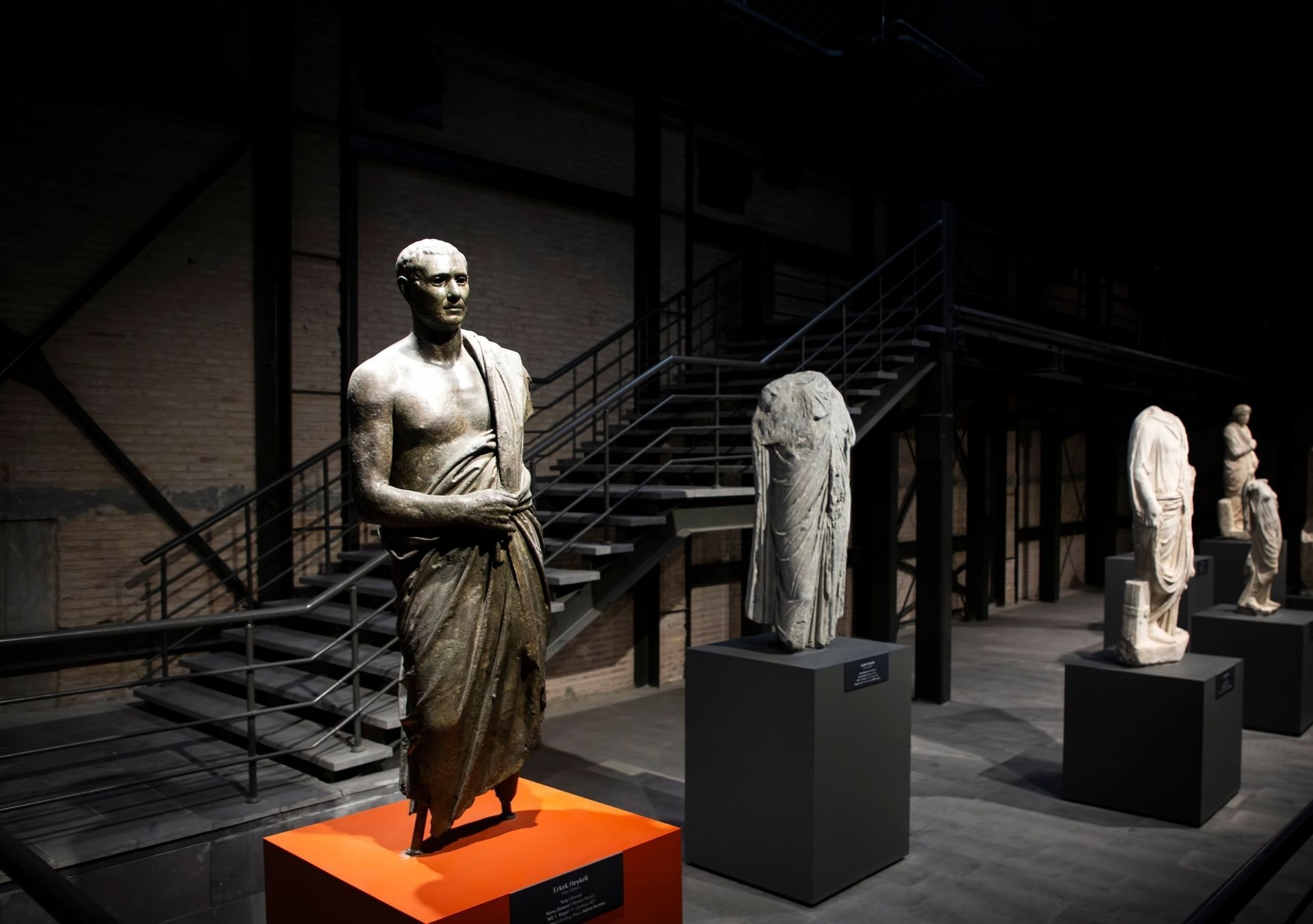
A bronze figure worth $80,000 sits in your Houston garden, exposed to Gulf Coast humidity and the occasional hailstorm. Your homeowners policy says it's covered, but the fine print tells a different story. If that sculpture suffers storm damage tomorrow, you could be looking at a payout that barely covers the pedestal. Understanding sculpture insurance coverage in Texas means knowing where standard policies fall short and what specialized protection actually looks like. The fine art insurance market was
valued at USD 429.39 billion in 2024, with projections hitting $838.41 billion by 2034. That growth reflects a simple truth: collectors and institutions are waking up to the gaps in their existing coverage. Texas, with its booming art scenes in Dallas, Austin, San Antonio, and Houston, is no exception. Whether you own a single statement piece or manage a public art program, the right policy structure can mean the difference between full recovery and a devastating financial loss.
The Importance of Specialized Insurance for Texas Sculptures
Sculptures occupy a unique space in the insurance world. Unlike paintings hung safely on interior walls, sculptures are three-dimensional objects often displayed outdoors, transported to exhibitions, and exposed to physical contact. Their materials range from fragile glass and ceramic to heavy steel and stone, each carrying distinct risk profiles. A generic property policy simply isn't designed to account for these variables. Texas collectors face an added layer of complexity because the state's climate, geography, and legal environment create risks you won't find in, say, Connecticut or Oregon.
Limitations of Standard Homeowners Policies
Most Texas homeowners policies include sub-limits for valuable personal property. That means your art collection might fall under a cap of just $1,000 to $5,000 per item, or $10,000 to $25,000 total. If you own a Richard Serra weathering steel piece or a Jesus Moroles granite sculpture, those limits are laughably inadequate. Standard policies also tend to exclude certain perils relevant to outdoor art, like gradual deterioration, insect damage, or mechanical breakdown of kinetic sculptures. The catch is that many collectors don't discover these gaps until they file a claim.
Valuation Methods: Market Value vs. Agreed Value
How your sculpture is valued on the policy determines your payout. Market value policies reimburse you based on what the piece could sell for at the time of loss, minus depreciation. Agreed value policies, on the other hand, lock in a pre-determined amount that you and the insurer settle on when the policy is written. For most serious collectors, agreed value is the better option. It eliminates disputes after a loss and ensures you receive the full insured amount. One thing to keep in mind: agreed value policies require a professional appraisal upfront, and that appraisal needs to stay current.
Addressing Texas-Specific Environmental Risks
Texas throws a wide range of environmental hazards at outdoor art. From the Panhandle's dust storms to the Gulf Coast's hurricanes, no single region is "safe." Insurers pay close attention to your zip code, and premiums reflect it. A sculpture garden in Galveston faces very different underwriting than one in Marfa.
Protection Against Extreme Heat and UV Exposure
Sustained temperatures above 100°F are routine across much of Texas from June through September. UV radiation degrades resins, fades patinas, and weakens adhesives used in mixed-media sculptures. While insurance policies don't typically cover gradual wear, a well-structured policy can cover sudden damage caused by heat-related events, like thermal cracking in stone or warping in metal. Proactive risk management matters here: installing UV-protective coatings, using shade structures, and maintaining climate-controlled indoor storage for rotating pieces all reduce your exposure and can lower premiums.
Coverage for Windstorm, Hail, and Hurricane Damage
Hail alone causes billions in property damage across Texas each year, and sculptures are especially vulnerable. A marble figure can chip or shatter under large hailstones, and wind-driven debris can topple freestanding installations. If your property is in a coastal county, you may need a separate windstorm policy through the Texas Windstorm Insurance Association (TWIA), since many private insurers exclude wind and hail in those areas. Make sure your sculpture coverage explicitly includes these perils. Capacity and carriers continue to enter the fine art market,
resulting in competitive rates for clients with few to no losses in non-catastrophic locations, but coastal collectors should expect higher premiums.
Key Coverage Components for Private and Public Art
Whether your sculpture sits in a private living room or a municipal park, certain coverage components are non-negotiable. Here's what a solid policy should include.
In-Transit and Installation Protection
Sculptures move. They travel to galleries, go out for conservation, get loaned to museums, and ship to new owners. Transit is one of the highest-risk periods for any artwork. A comprehensive policy should cover door-to-door transit, including loading, unloading, and temporary storage at intermediate locations. Installation coverage is equally critical, especially for large-scale works that require cranes, rigging, or specialized crews. If a $50,000 bronze tips off a forklift during installation, you need that loss covered from the moment the piece leaves your property.
Vandalism and Accidental Damage Clauses
Public sculptures face vandalism risks that private collections generally don't. Graffiti, intentional defacement, and even well-meaning but damaging "interactions" from the public are real concerns for municipalities and corporate campuses. Accidental damage clauses cover incidents like a delivery truck backing into a courtyard installation or a guest knocking over a pedestal-mounted piece during an event. Review your policy's exclusions carefully. Some insurers exclude damage caused by "inherent vice," meaning flaws in the artwork's own materials or construction, which can become a gray area during claims.
Title Insurance for High-Value Acquisitions
Provenance disputes can be as financially damaging as physical loss. Title insurance protects you if a purchased sculpture turns out to have a contested ownership history, outstanding liens, or claims tied to inheritance disputes. This is especially relevant for
pre-Columbian artifacts, antiquities, or works acquired through secondary markets. Before acquiring any piece valued above $25,000, request a full provenance report and consider title coverage as part of your overall insurance strategy.
The Role of Professional Appraisals in Texas Claims
A professional appraisal is the foundation of any sculpture insurance policy. Without one, you're guessing at value, and so is your insurer. That guessing game rarely ends in the collector's favor.
Frequency of Required Re-evaluations
Art markets fluctuate. A sculpture appraised at $30,000 three years ago might be worth $50,000 today, or it might have dropped to $20,000. Most insurers and appraisers recommend re-evaluations every two to three years. If a specific artist's market is moving quickly, annual updates may be warranted. In Austin, professional art appraisals start at a minimum of $475 for a single item, so budgeting for regular appraisals is part of responsible collection management. Skipping this step is one of the most common mistakes collectors make, and it leads directly to underinsurance.
Documentation Standards for Insurance Underwriting
Insurers want more than a dollar figure. A thorough appraisal for underwriting purposes should include high-resolution photographs from multiple angles, detailed condition reports, material descriptions, provenance documentation, and a clear methodology explaining how the appraiser arrived at the value. Digital inventory management software can help you maintain these records in an organized, accessible format. Keep backup copies in cloud storage and a physical safe. When a claim occurs, having this documentation ready within 24 to 72 hours can dramatically speed up the process.
Liability Considerations for Large-Scale Outdoor Installations
If you commission or display a large outdoor sculpture, liability becomes a serious concern. A five-ton steel installation in a public park creates risks that go beyond property damage. What happens if it falls on someone? What if a child climbs it and gets hurt? What if the foundation shifts and the piece topples onto a parked car?
General liability coverage for sculptors and installation owners is available at reasonable rates. Sculptor-specific insurance
costs as low as $24.25 a month through specialized providers, covering bodily injury and property damage claims arising from your work or installation. For property owners and municipalities, an
umbrella policy with art-specific endorsements provides an extra layer of protection. Texas premises liability law holds property owners to a duty of care for visitors, so if your sculpture poses any foreseeable risk, you need coverage that reflects it.
| Coverage Type | What It Protects | Typical Annual Cost (Texas) |
|---|---|---|
| Scheduled Fine Art Policy | Physical damage, theft, fire | 0.1% to 2% of insured value |
| In-Transit Coverage | Damage during shipping or moving | Often included in fine art policy |
| General Liability (Sculptor) | Bodily injury, property damage claims | ~$291/year ($24.25/month) |
| Title Insurance | Ownership disputes, liens | Varies by value and provenance |
| Windstorm (Coastal TX) | Wind and hail in TWIA zones | Varies by location and value |
Selecting a Specialized Art Insurance Provider in the Lone Star State
Not every insurer understands art, and not every art insurer understands Texas. You want a provider with experience handling claims in the state's unique risk environment. Look for carriers that offer agreed value policies, broad-form coverage including transit, and familiarity with TWIA requirements for coastal properties. Insuring fine art and valuables in Texas typically costs between 0.1% and 2% of total insured value annually, so a $200,000 collection might run $200 to $4,000 per year depending on risk factors.
Ask potential providers about their claims process, their panel of approved appraisers, and whether they offer risk management consultations. Some carriers will send a specialist to your property to assess display conditions, security systems, and environmental controls. That kind of hands-on service separates a true art insurance specialist from a general carrier offering an art endorsement. Your collection deserves a provider who treats it with the same seriousness you do.
FAQ
How much does it cost to insure a sculpture in Texas? Premiums generally fall between 0.1% and 2% of the piece's insured value per year. A $50,000 sculpture might cost $50 to $1,000 annually depending on location, materials, and display conditions.
Does my homeowners insurance cover my sculpture collection? It might, but only up to very low sub-limits, often $1,000 to $5,000 per item. For anything of real value, you need a scheduled fine art policy or a valuable articles floater.
How often should I get my sculptures reappraised? Every two to three years is the standard recommendation. If the artist's market is volatile or you've made significant conservation work, more frequent appraisals are wise.
Do I need separate windstorm coverage for sculptures in coastal Texas? Yes. Many private insurers exclude wind and hail damage in designated coastal counties. You may need a TWIA policy or a specialized fine art policy that explicitly includes these perils.
What documentation do I need to file a sculpture insurance claim? At minimum, you'll need your current appraisal, photographs showing the piece's condition before and after the loss, a police report if theft or vandalism is involved, and any receipts for purchase or conservation work. Having these ready within 24 to 72 hours helps speed up the process.
Is liability insurance necessary for outdoor sculptures on my property? If anyone other than you could interact with the sculpture, yes. Texas premises liability law holds you responsible for foreseeable hazards, and a falling or climbable sculpture qualifies.
About The Author: Aaron Husman
As COO of The Phoenix Insurance, I’m focused on building lasting client relationships and delivering insurance solutions that make protection simple and effective. With years of experience in commercial and personal insurance, I take pride in helping individuals and businesses find coverage that brings confidence and peace of mind.
customer reviews
See What Our Clients Say About Us
Types of Auto Insurance
Insurance For Car Collectors By Car Collectors
Our team specializes in providing tailored insurance coverage for car collectors. Whether you own a rare classic, an exotic beauty, or a powerful muscle car, we understand the unique needs of your collection and work to ensure it’s protected with the care and expertise it deserves.


Contact us for better help and services. Explore all types of car insurance
FREQUENTLY ASKED QUESTIONS
At The Phoenix Insurance, we’re committed to answering your most pressing questions to ensure you feel confident about your coverage. From understanding the benefits of working with an independent agency to the specific insurance options we offer for Texas residents, we’ve got you covered.
What makes The Phoenix Insurance different from other insurance providers?
The Phoenix Insurance is an independent agency, meaning we work with multiple insurance carriers to find the best coverage and rates for your unique needs. Our proactive support and commitment to personalized service set us apart from other providers.
Why should I choose an independent insurance agency in Texas?
Independent agencies like The Phoenix Insurance offer more flexibility and personalized service than large, single-carrier companies. We compare coverage options from top-rated carriers to ensure you get the most value for your money.
Does The Phoenix Insurance provide coverage for real estate investors?
Yes, we specialize in insuring real estate investments, including single-family homes, apartments, commercial buildings, and industrial properties. Our team has extensive experience protecting real estate assets across Texas.
How does The Phoenix Insurance handle claims?
We guide clients through the entire claims process, working directly with the insurance carrier to ensure quick and fair resolutions. Our team is dedicated to providing the support you need when it matters most.
What types of insurance does The Phoenix Insurance offer for Texas residents?
We offer a wide range of personal and business insurance options, including home, auto, umbrella, and recreational vehicle coverage for individuals, as well as liability and property insurance for businesses and real estate investors.
Insurance Knowledge. Stories. Tips.
Our Latest Blogs
Explore expert tips, industry insights, and helpful resources from The Phoenix Insurance to stay informed and make confident decisions about your coverage.



Contact Us