

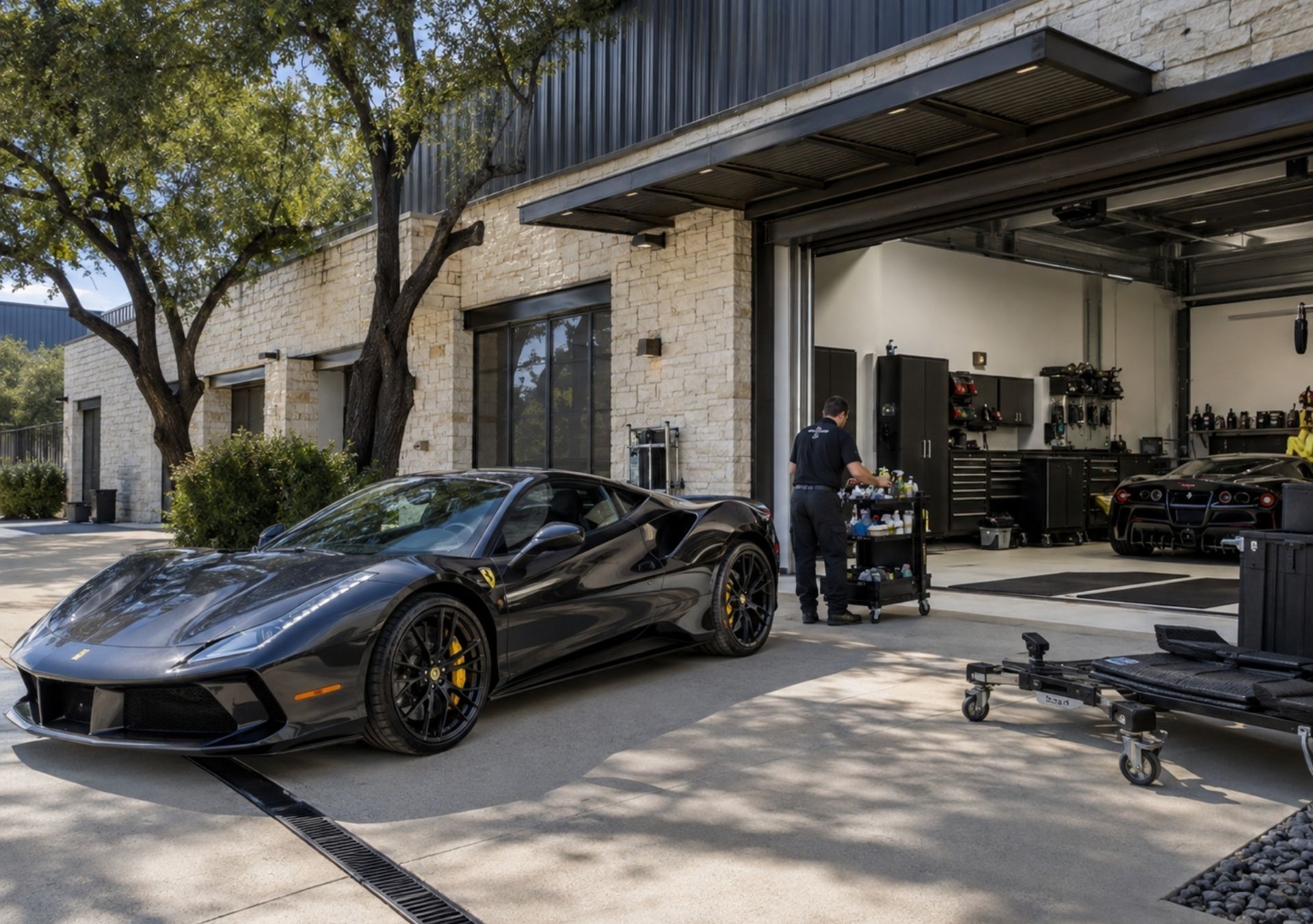
A fender bender that barely registers on a Honda Civic's resale value can erase tens of thousands of dollars from a
Ferrari or McLaren. If you own an exotic car in Texas and someone else caused the accident, you're likely entitled to recover that lost value, but the process is nothing like filing a standard insurance claim. Texas law does allow diminished value recovery, and the stakes for exotic car owners are significantly higher than for typical vehicles. The average diminished value recovery across all vehicle types in Texas sits around $5,086, but exotic and luxury settlements routinely double or triple that figure. A
Lamborghini Huracán with a repaired quarter panel doesn't sell for the same price as one with a clean history, and buyers know it. That gap between pre-accident value and post-repair value is real money you shouldn't have to absorb because another driver ran a red light. This guide breaks down how Texas diminished value claims work for high-end vehicles, what evidence you'll need, where insurance companies try to shortchange exotic owners, and how to protect your investment after a collision. Whether you drive a
Porsche 911 GT3, a
Bentley Continental, or a
vintage Ferrari, understanding how these claims function in Texas could mean the difference between a $3,000 settlement and a $30,000 one.
Understanding Diminished Value for High-End Vehicles
Diminished value is the measurable drop in your car's market worth after an accident, even when repairs are done perfectly. A vehicle with an accident on its Carfax or AutoCheck report simply doesn't command the same price as a clean-title equivalent. For exotic cars, this principle hits harder because buyers in the luxury market are especially sensitive to vehicle history.
Think of it this way: a prospective buyer shopping for a $250,000 Aston Martin will almost always choose the one without accident history over the repaired one, unless the repaired car comes at a steep discount. That discount is your diminished value loss.
The Three Types of Diminished Value
Three categories define how diminished value is calculated. Inherent diminished value is the most common and refers to the stigma-based loss: the car is worth less simply because it was in an accident, regardless of repair quality. Repair-related diminished value applies when the repairs themselves are imperfect, like mismatched paint or panel gaps that weren't present before the collision. Immediate diminished value represents the difference between the car's pre-accident worth and its value in a damaged, unrepaired state.
For exotic car claims in Texas, inherent diminished value is the primary focus. Even a flawless repair by a factory-certified shop won't erase the accident record, and that history can reduce an exotic car's market value by 10% to 30% depending on the severity of the damage.
Why Exotic Cars Suffer Greater Losses
A $40,000 sedan losing 8% of its value means a $3,200 diminished value claim. A $300,000 Ferrari losing 12% means $36,000. The math alone explains why exotic owners face steeper losses. But there's more to it than percentages.
Exotic car buyers are a demanding group. They scrutinize service records, panel gaps, paint depth readings, and VIN histories before writing six-figure checks. Any collision history, even a minor rear-end impact, raises red flags that standard vehicle buyers might overlook. Exotic cars also have limited production runs, which means each unit carries a premium tied to its condition and provenance. A repaired car competes against clean examples in a small, informed buyer pool.
Texas Laws Governing Diminished Value Claims
Texas recognizes diminished value as a legitimate form of property damage. The legal foundation comes from common law principles that allow accident victims to recover the full extent of their property losses, including the residual loss in market value after repairs.
The catch is that Texas doesn't have a specific statute spelling out diminished value rights in detail. Instead, courts have consistently upheld these claims through case law. This means your success often depends on how well you document and present your case rather than on a clear-cut statutory formula.
Third-Party vs. First-Party Claims in Texas
This distinction matters enormously. A third-party claim is filed against the at-fault driver's insurance company. In Texas, third-party diminished value claims are well-established and generally recoverable. If someone else caused the accident, their liability coverage should compensate you for the drop in your car's value.
First-party claims, filed against your own insurance policy, are a different story. Most Texas auto policies don't explicitly cover diminished value, and insurers routinely deny these claims. Some policyholders have fought first-party denials successfully, but the process is harder and less predictable. For exotic car owners, this means the strongest path to recovery runs through the other driver's insurance. Your Texas diminished value claim options depend heavily on who caused the accident.
The Statute of Limitations for Filing
Texas gives you two years from the date of the accident to file a diminished value claim. That sounds like plenty of time, but exotic car claims require specialized appraisals, documentation, and often negotiation cycles that can stretch for months.
Starting the process within 30 to 60 days of completing repairs gives you the strongest position. Waiting too long can complicate your case because insurers may argue that market fluctuations, additional mileage, or other factors contributed to any value loss.
Standard vs. Exotic Diminished Value Comparison
The gap between standard and exotic diminished value claims shows up in nearly every metric. Here's how they compare:
| Factor | Standard Vehicle | Exotic/Luxury Vehicle |
|---|---|---|
| Typical Pre-Accident Value | $25,000 - $55,000 | $150,000 - $500,000+ |
| Average DV Loss Percentage | 5% - 10% | 10% - 30% |
| Average DV Recovery | $2,500 - $5,500 | $15,000 - $75,000+ |
| Appraisal Method | 17c formula often accepted | Independent specialty appraisal required |
| Buyer Sensitivity to History | Moderate | Extremely high |
| Repair Facility Requirements | Standard body shops | Factory-certified or marque-specific shops |
This comparison makes one thing clear: the tools and approaches that work for a Toyota Camry claim won't cut it for a Porsche or Lamborghini.
How Insurance Companies Undervalue Exotic Cars
Insurers have a financial incentive to minimize every claim, and exotic car diminished value claims give them plenty of room to do it. The most common tactic is applying a generic formula that treats your $350,000 McLaren the same way it treats a $30,000 SUV. They'll also point to broad market data that doesn't reflect the niche exotic car market.
Another frequent move is arguing that factory-certified repairs "restored the vehicle to pre-loss condition." While that might hold some weight for mass-produced cars, it ignores the reality of how exotic car buyers evaluate purchase decisions. A repaired car is a repaired car, and the market reflects that. Insurers may also
lowball initial offers hoping owners will accept a quick payout rather than fight for the full amount.
Proving the Loss: Evidence and Appraisals
Building a strong diminished value case for an exotic car requires more than a repair receipt and a Kelley Blue Book printout. You need documentation that speaks the language of the luxury car market.
Start with a complete pre-accident condition report if you have one: photos, service records, and any previous appraisals. Gather all repair invoices, parts receipts, and photos from the body shop. Then obtain comparable sales data showing what similar vehicles with and without accident history are selling for in the current market.
The Role of Certified Specialty Appraisers
A generic auto appraiser won't carry enough weight for an exotic car claim. You need someone who understands the specific marque, its collector market, and the nuances that affect value in the high-end segment. A certified appraiser who specializes in exotic vehicles will evaluate factors like production numbers, option rarity, color combination desirability, and market trends specific to your car's make and model.
Their report becomes the backbone of your claim. It should include a detailed analysis of comparable sales, an explanation of the stigma discount applied by the market, and a defensible dollar figure for the diminished value. Expect to pay $300 to $750 for a quality exotic car appraisal, but that investment typically pays for itself many times over in the settlement.
Why the 17c Formula Fails Luxury Owners
State Farm developed the 17c formula years ago, and many insurers still rely on it. The formula caps the base loss of value at 10% of the vehicle's retail value, then applies multipliers for damage severity and mileage. The result consistently undervalues exotic cars.
Here's what that means for you: the 17c formula might calculate $8,000 in diminished value for a car that actually lost $45,000 in market worth. The formula doesn't account for the exotic car market's unique dynamics, buyer expectations, or the outsized impact of accident history on rare vehicles. Texas courts don't require insurers to use the 17c method, and
independent appraisals that reflect actual market conditions carry significant weight in negotiations and litigation.
Common Questions About Texas Exotic Car Claims
Can I file a diminished value claim if I was partially at fault? Texas follows a modified comparative fault rule. You can recover diminished value as long as you're less than 51% at fault, though your recovery will be reduced by your percentage of fault.
Does my exotic car insurance cover diminished value? Most standard and even specialty auto policies don't cover first-party diminished value. Your claim typically goes against the at-fault driver's liability insurance, not your own policy.
How long does the process take? Expect 60 to 120 days from filing to settlement for straightforward cases. Complex claims involving high-value exotics or disputed liability can take six months or longer.
Will filing a claim affect my insurance rates? Filing a third-party diminished value claim against another driver's insurance should not impact your own premiums since you're not filing against your own policy.
Do I need an attorney for an exotic car diminished value claim? Not always, but claims over $20,000 often benefit from legal representation. Attorneys experienced in Texas property damage law understand insurer tactics and can push for full value.
Can I claim diminished value on a leased exotic car? Yes, but the process is more complicated. The leasing company technically owns the vehicle, so you may need their cooperation or assignment of the claim rights.
Steps to File Your Claim in Texas
Filing a diminished value claim for an exotic car follows a specific sequence. First, complete all repairs at a factory-authorized or marque-certified facility and keep every document. Second, hire a specialty appraiser to produce a formal diminished value report. Third, send a demand letter to the at-fault driver's insurance company with your appraisal, repair records, and supporting documentation.
The insurer will respond with either an offer or a denial. If they offer less than your appraised value, negotiate with your appraisal report as evidence. If negotiations stall, you can file a complaint with the Texas Department of Insurance or pursue the claim in court. For claims under $20,000, small claims court in Texas is an option. Larger claims may require district court filing.
What Affects the Size of Your Settlement
Several factors influence how much you'll recover. The vehicle's pre-accident value sets the ceiling, while the severity and location of the damage determine the percentage of loss. Structural damage to the frame or unibody results in higher diminished value than cosmetic panel damage. Mileage matters too: a 2025 Ferrari with 3,000 miles loses more proportionally than the same model with 25,000 miles.
Your car's rarity also plays a role. Limited-edition models or those with desirable specifications lose more value because buyers have clean alternatives available. The quality of your documentation and appraisal directly affects your negotiating position.
Mistakes That Can Reduce Your Payout
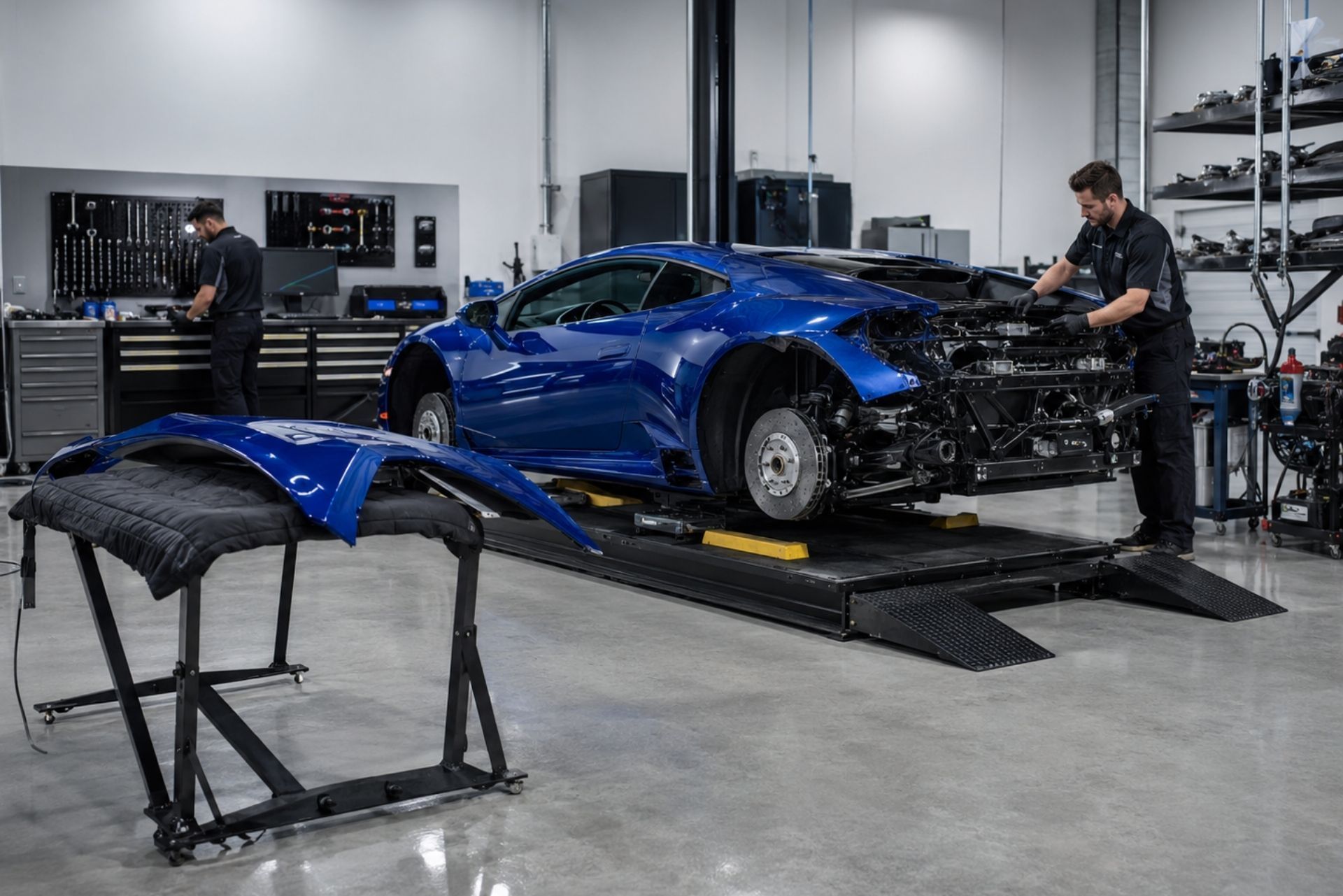
One of the biggest errors exotic car owners make is accepting the insurer's first offer without an independent appraisal. That initial offer almost always underrepresents the true loss. Another common mistake is using a non-specialized body shop for repairs. If the work isn't performed to factory standards, you'll face both repair-related and inherent diminished value, but the insurer may argue the repair quality caused the additional loss.
Waiting too long to file is another pitfall. As your car accumulates miles and age after the accident, insurers will attribute some of the value loss to normal depreciation rather than the collision. Document everything early and move quickly.
Working with an Attorney vs. Going Solo
For claims under $10,000, handling the process yourself with a quality appraisal report is often cost-effective. You'll keep the full settlement rather than paying attorney fees, which typically range from 33% to 40% of the recovery on contingency arrangements.
That said, exotic car claims frequently exceed $20,000, and insurers take attorney-represented claims more seriously. An experienced Texas property damage attorney knows how to counter the 17c formula, challenge lowball offers, and present your case effectively if litigation becomes necessary. For six-figure exotic cars, legal representation often results in a net recovery that exceeds what you'd achieve on your own, even after fees.
Protecting Your Investment After an Accident
Your exotic car represents a significant financial commitment, and an accident doesn't have to permanently destroy that investment. The key is acting quickly, documenting thoroughly, and refusing to accept an insurer's first attempt at minimizing your loss.
Get repairs done right, by a shop that knows your specific marque. Hire an appraiser who speaks the language of the exotic car market. File your claim within 60 days of completing repairs, and don't settle for a number based on a formula designed for mainstream vehicles.
Texas law supports your right to recover diminished value from the at-fault party's insurer. For exotic car owners, the difference between a well-prepared claim and a hasty one can easily be $20,000 or more. Treat the process with the same care you'd give to maintaining your car, because protecting its value after an accident is just as important as protecting it before one. If you're unsure where to start, a consultation with a specialty appraiser or a Texas property damage attorney will give you a clear picture of what your claim is worth and the best path to recovering it.
About The Author: Aaron Husman
As COO of The Phoenix Insurance, I’m focused on building lasting client relationships and delivering insurance solutions that make protection simple and effective. With years of experience in commercial and personal insurance, I take pride in helping individuals and businesses find coverage that brings confidence and peace of mind.
customer reviews
See What Our Clients Say About Us
Types of Auto Insurance
Insurance For Car Collectors By Car Collectors
Our team specializes in providing tailored insurance coverage for car collectors. Whether you own a rare classic, an exotic beauty, or a powerful muscle car, we understand the unique needs of your collection and work to ensure it’s protected with the care and expertise it deserves.


Contact us for better help and services. Explore all types of car insurance
FREQUENTLY ASKED QUESTIONS
At The Phoenix Insurance, we’re committed to answering your most pressing questions to ensure you feel confident about your coverage. From understanding the benefits of working with an independent agency to the specific insurance options we offer for Texas residents, we’ve got you covered.
What makes The Phoenix Insurance different from other insurance providers?
The Phoenix Insurance is an independent agency, meaning we work with multiple insurance carriers to find the best coverage and rates for your unique needs. Our proactive support and commitment to personalized service set us apart from other providers.
Why should I choose an independent insurance agency in Texas?
Independent agencies like The Phoenix Insurance offer more flexibility and personalized service than large, single-carrier companies. We compare coverage options from top-rated carriers to ensure you get the most value for your money.
Does The Phoenix Insurance provide coverage for real estate investors?
Yes, we specialize in insuring real estate investments, including single-family homes, apartments, commercial buildings, and industrial properties. Our team has extensive experience protecting real estate assets across Texas.
How does The Phoenix Insurance handle claims?
We guide clients through the entire claims process, working directly with the insurance carrier to ensure quick and fair resolutions. Our team is dedicated to providing the support you need when it matters most.
What types of insurance does The Phoenix Insurance offer for Texas residents?
We offer a wide range of personal and business insurance options, including home, auto, umbrella, and recreational vehicle coverage for individuals, as well as liability and property insurance for businesses and real estate investors.
Insurance Knowledge. Stories. Tips.
Our Latest Blogs
Explore expert tips, industry insights, and helpful resources from The Phoenix Insurance to stay informed and make confident decisions about your coverage.



Contact Us