

A 1967 Shelby GT500 sitting in a climate-controlled garage in Houston isn't the same as a 2024 Camry parked in a driveway. Yet most standard auto insurance policies treat them the same way, assigning a depreciated market value that rarely reflects what a collector car is truly worth. If you've ever wondered how to properly appraise a collector car in Texas for insurance purposes, you're asking the right question. The process involves more than a quick online estimate. It requires understanding Texas-specific regulations, choosing the right valuation method, and working with professionals who know the classic car market inside and out. Getting this right means the difference between full protection and a devastating payout gap after a total loss. Texas has its own rules around appraisals and policy structures, and 2026 brought meaningful changes that every collector car owner should understand. This guide walks through the entire process, from choosing an appraiser to comparing policy types, so you can protect what you've built.
Understanding Agreed Value vs. Stated Amount in Texas
Two terms dominate collector car insurance conversations: agreed value and stated amount. They sound similar, but they protect you very differently. An agreed value policy locks in a specific dollar amount at the time you buy the policy. If your 1970 Plymouth 'Cuda is insured for $250,000 under an agreed value policy and it's totaled, you receive $250,000, no negotiation, no depreciation adjustment.
A stated amount policy, on the other hand, sets a ceiling rather than a guarantee. Your insurer will pay the lesser of the stated amount, the actual cash value, or the repair cost. That means if you stated $250,000 but the insurer calculates actual cash value at $180,000, you're getting $180,000. The difference can be financially devastating.
Why Standard Market Value Fails Classic Cars
Standard auto policies rely on actual cash value, which factors in depreciation. For a daily driver, that makes sense. A five-year-old sedan loses value predictably. Classic and collector cars don't follow that pattern. A numbers-matching 1969 Camaro Z/28 appreciates over time, sometimes dramatically. The 2026 Hagerty Bull Market List highlights several models seeing double-digit value increases year over year.
Standard policies also rely on comparable sales data for common vehicles. When your car is one of 200 ever produced, there simply aren't enough recent sales to generate an accurate market value through automated tools. That's why a professional appraisal paired with the right policy type is essential.
The Role of the Texas Department of Insurance (TDI)
Texas has specific regulations that affect how appraisals work within insurance claims. As of January 1, 2026, Texas Senate Bill 458 requires all personal auto policies to include a binding appraisal clause, allowing either party to invoke an independent appraisal process during a dispute. This is a significant shift. Previously, appraisal clauses were optional in auto policies, leaving policyholders with fewer options if they disagreed with an insurer's valuation.
The TDI oversees insurer compliance and provides resources for filing complaints if an insurer doesn't honor appraisal provisions. For collector car owners, SB 458 adds a layer of protection: if your insurer lowballs a claim, you now have a formal mechanism to challenge that valuation through a binding process.

Key Factors That Influence a Collector Car's Worth
A collector car's value isn't just about make, model, and year. Appraisers weigh a complex set of factors, and understanding them helps you prepare for a more accurate valuation.
Condition Ratings and Documentation
Most professional appraisals use a standardized condition scale from 1 (concours/show quality) to 6 (parts car). The difference between a Condition 2 and Condition 3 rating on a 1965 Corvette Stingray can mean $40,000 or more. Appraisers look at paint quality, interior originality, mechanical function, undercarriage condition, and the quality of any restoration work.
Documentation plays a huge role here. If you've kept receipts from a $60,000 rotisserie restoration, that directly supports a higher condition rating. Maintenance logs, professional photographs taken over the years, and records of any replacement parts all strengthen your case. Consider using digital inventory management software to keep these records organized and accessible. A well-documented car is almost always appraised higher than an identical car with no paper trail.
Provenance and Historical Significance
Who owned the car, where it raced, and what role it played in automotive history can dramatically affect value. A 1963 split-window Corvette is valuable on its own. One that appeared at a major concours event or was owned by a notable figure commands a premium. Appraisers verify provenance through title history, period photographs, magazine features, and registry records.
Texas has a rich car culture, and provenance tied to Texas racing history or prominent Texas collections can add regional value. Title documentation is critical here. The Texas Comptroller's standard presumptive value system applies to standard vehicle transfers, but collector cars often require supplemental documentation to establish fair market value beyond what automated systems calculate.
Local Texas Market Trends and Rarity
The Texas collector car market has its own personality. Trucks and muscle cars tend to command premiums in Texas that they might not in the Northeast. A 1972 Chevrolet C10 in show condition might appraise 10-15% higher in Dallas than in Boston simply because regional demand is stronger.
Rarity matters enormously. Production numbers, surviving examples, and specific options packages all factor in. A base-model
Mustang and a Mustang with the K-code high-performance engine are different cars in terms of value, even if they look identical from the outside. Your appraiser should be familiar with these distinctions and with how the Texas market specifically values them.
Steps to Getting a Professional Appraisal
Getting your collector car appraised for insurance isn't complicated, but it does require some planning. Here's how to approach it.
Finding a Certified Texas Appraiser
Not every mechanic or car enthusiast qualifies as an appraiser for insurance purposes. Look for appraisers certified through recognized organizations like the American Society of Appraisers or the International Society of Appraisers. Many Texas-based appraisers specialize in specific marques or eras, which can be an advantage if you own something unusual.
Ask your insurance provider if they have a list of approved appraisers. Some specialty insurers require appraisals from specific professionals. One thing to keep in mind: the appraiser should have no financial interest in the vehicle. An appraiser who also wants to buy your car creates an obvious conflict. Expect to pay between $150 and $400 for a thorough appraisal, depending on the vehicle's complexity and the appraiser's credentials.
Preparing Your Vehicle for Inspection
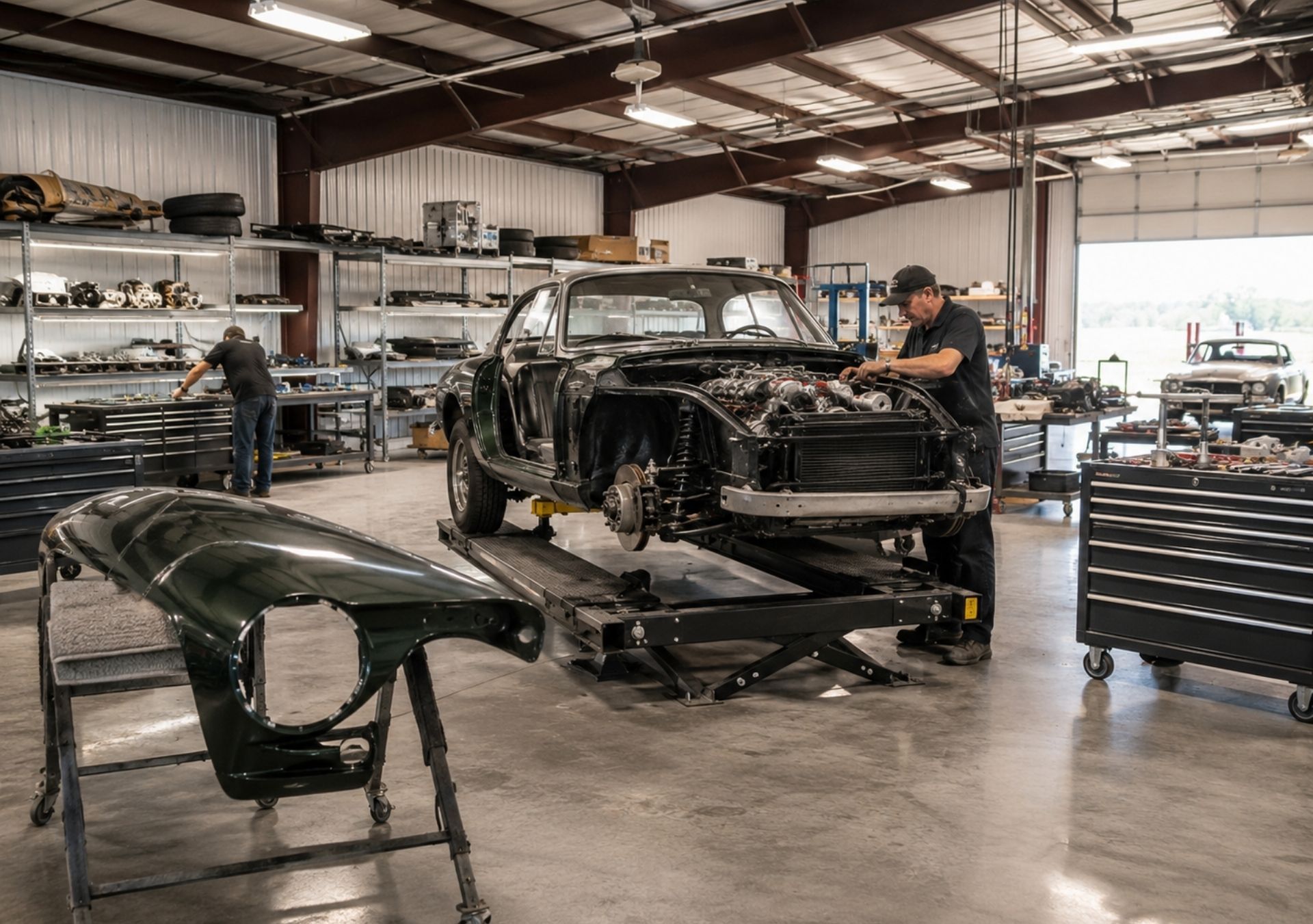
Present your car at its best. That doesn't mean a fresh paint job, but it does mean a clean vehicle with all components accessible for inspection. The appraiser will want to examine the engine bay, undercarriage, interior, trunk, and body panels. If you have a lift or can arrange access to one, that helps.
Gather all your documentation before the appointment:
- Title and registration history
- Restoration receipts and photographs (before, during, and after)
- Maintenance and service records
- Any awards, show results, or registry certificates
- Previous appraisals, if applicable
A thorough appraiser will photograph the vehicle extensively, note VIN and casting numbers, and verify options against factory records. The entire process typically takes 60 to 90 minutes for a single vehicle.
Comparing Valuation Methods for Insurance
Choosing the right valuation method shapes how well you're protected. The two most common approaches for collector cars are agreed value and actual cash value, and they behave very differently in a claim.
Table: Agreed Value vs. Actual Cash Value
| Feature | Agreed Value | Actual Cash Value (ACV) |
|---|---|---|
| How value is set | You and the insurer agree on a value upfront, supported by an appraisal | Insurer calculates depreciated value at time of loss |
| Payout after total loss | Full agreed amount, no depreciation | Market value minus depreciation |
| Appraisal required? | Yes, typically every 2-3 years | No |
| Best for | Rare, appreciating, or restored vehicles | Daily drivers, low-value classics |
| Premium cost | Higher, but predictable payout | Lower, but risky for high-value cars |
| Dispute resolution | Appraisal clause under SB 458 | Appraisal clause under SB 458 |
For most collector cars worth $25,000 or more, agreed value is the better choice. The slightly higher premium is worth the certainty. If your car has appreciated since your last appraisal, update it every two to three years to keep your coverage aligned with current market values.
Common Questions About Texas Classic Car Insurance
FAQ: What should I know before I start?
Do I need a special policy for my collector car in Texas?
Yes. Standard auto policies use actual cash value, which almost always undervalues collector cars. Specialty classic car insurance policies in Texas offer agreed value coverage and often include benefits like spare parts coverage and show transit protection.
How often should I get my collector car reappraised?
Every two to three years, or sooner if you've completed significant restoration work or if the market for your specific model has shifted noticeably.
Can I insure a car that's mid-restoration?
Some specialty insurers offer coverage for cars under restoration, but the terms vary. You'll typically need to document the car's current state and projected completed value.
Does Texas require a specific type of appraisal for insurance?
Texas doesn't mandate a specific appraisal format, but most insurers require a written report from a certified appraiser that includes photographs, condition ratings, and comparable sales data.
What happens if my insurer and I disagree on the car's value after a loss?
Under SB 458, effective January 1, 2026, either party can invoke a binding appraisal process to resolve the dispute. Each side selects an appraiser, and if those two can't agree, a neutral umpire makes the final call.
Is transit coverage included when I take my car to shows?
Most specialty collector car policies include transit coverage for shows, appraisals, and club events. Verify this with your insurer, because standard policies often exclude coverage for vehicles transported on trailers or flatbeds.
What's the minimum value for a car to qualify as a "collector" vehicle?
There's no universal minimum. Most specialty insurers set their own thresholds, often around $5,000 to $10,000. The car typically needs to be at least 15 to 25 years old, though some policies cover newer limited-production vehicles.
Protecting Your Investment Long-Term
Appraising a collector car for insurance in Texas isn't a one-time task. It's an ongoing commitment that should evolve as your car's value changes. The combination of SB 458's binding appraisal protections and the availability of agreed value policies gives Texas collectors strong tools to protect their investments, but only if they use them.
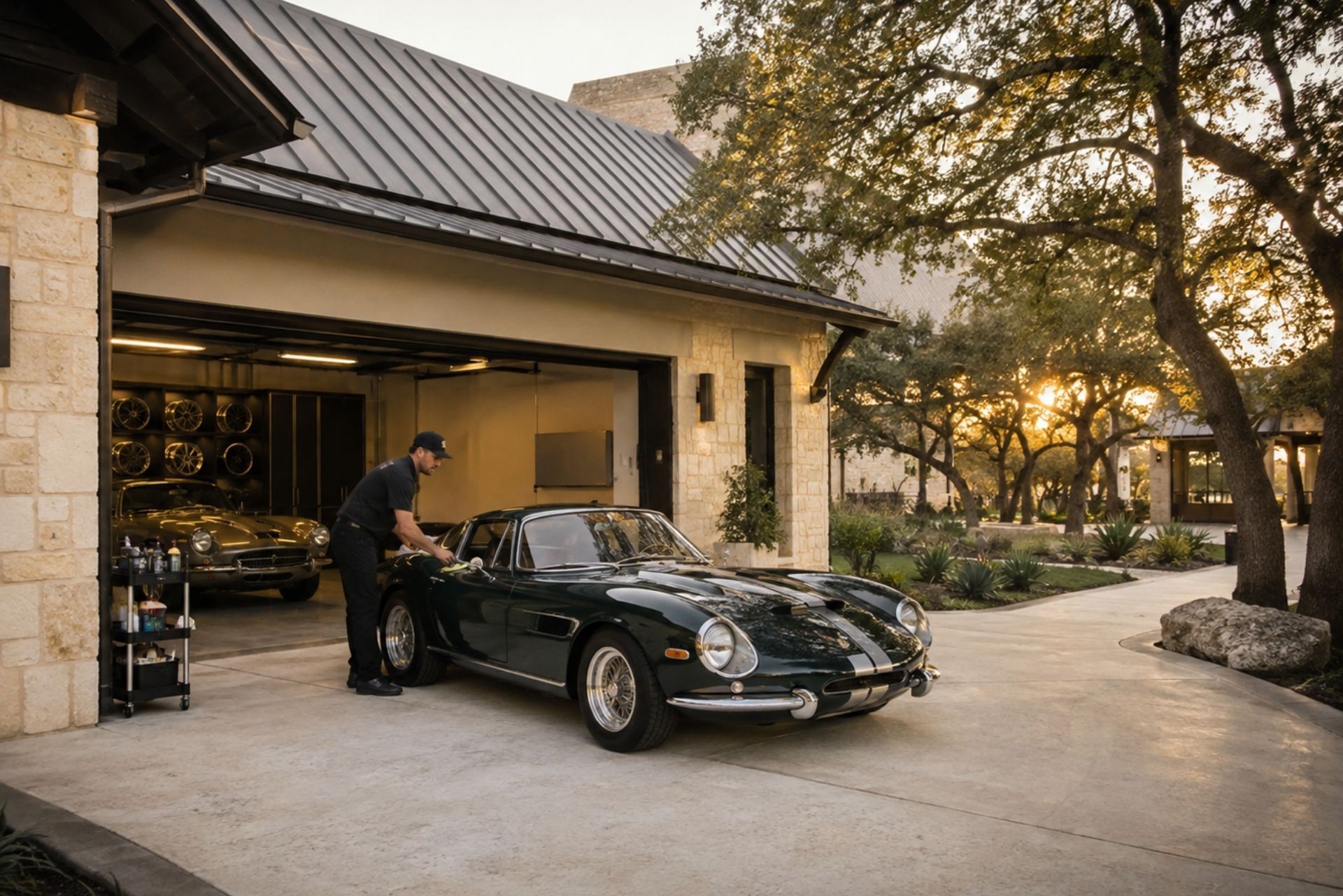
Keep your documentation current. Photograph your car annually, store records digitally with backups, and maintain a relationship with a certified appraiser who knows your vehicle. If you're storing your car, invest in climate control with backup power to protect against Texas heat and humidity. Review your policy limits every renewal period.
The collectors who get burned are the ones who set a value ten years ago and never revisited it. Don't be that person. Your car deserves the same attention in its insurance file as it gets in your garage.
About The Author: Aaron Husman
As COO of The Phoenix Insurance, I’m focused on building lasting client relationships and delivering insurance solutions that make protection simple and effective. With years of experience in commercial and personal insurance, I take pride in helping individuals and businesses find coverage that brings confidence and peace of mind.
customer reviews
See What Our Clients Say About Us
Types of Auto Insurance
Insurance For Car Collectors By Car Collectors
Our team specializes in providing tailored insurance coverage for car collectors. Whether you own a rare classic, an exotic beauty, or a powerful muscle car, we understand the unique needs of your collection and work to ensure it’s protected with the care and expertise it deserves.


Contact us for better help and services. Explore all types of car insurance
FREQUENTLY ASKED QUESTIONS
At The Phoenix Insurance, we’re committed to answering your most pressing questions to ensure you feel confident about your coverage. From understanding the benefits of working with an independent agency to the specific insurance options we offer for Texas residents, we’ve got you covered.
What makes The Phoenix Insurance different from other insurance providers?
The Phoenix Insurance is an independent agency, meaning we work with multiple insurance carriers to find the best coverage and rates for your unique needs. Our proactive support and commitment to personalized service set us apart from other providers.
Why should I choose an independent insurance agency in Texas?
Independent agencies like The Phoenix Insurance offer more flexibility and personalized service than large, single-carrier companies. We compare coverage options from top-rated carriers to ensure you get the most value for your money.
Does The Phoenix Insurance provide coverage for real estate investors?
Yes, we specialize in insuring real estate investments, including single-family homes, apartments, commercial buildings, and industrial properties. Our team has extensive experience protecting real estate assets across Texas.
How does The Phoenix Insurance handle claims?
We guide clients through the entire claims process, working directly with the insurance carrier to ensure quick and fair resolutions. Our team is dedicated to providing the support you need when it matters most.
What types of insurance does The Phoenix Insurance offer for Texas residents?
We offer a wide range of personal and business insurance options, including home, auto, umbrella, and recreational vehicle coverage for individuals, as well as liability and property insurance for businesses and real estate investors.
Insurance Knowledge. Stories. Tips.
Our Latest Blogs
Explore expert tips, industry insights, and helpful resources from The Phoenix Insurance to stay informed and make confident decisions about your coverage.



Contact Us