
Texas Collector Vehicle Appraisal and Inspection Firm Insurance

See How We're Different:
or Call Us: (214) 253-0570
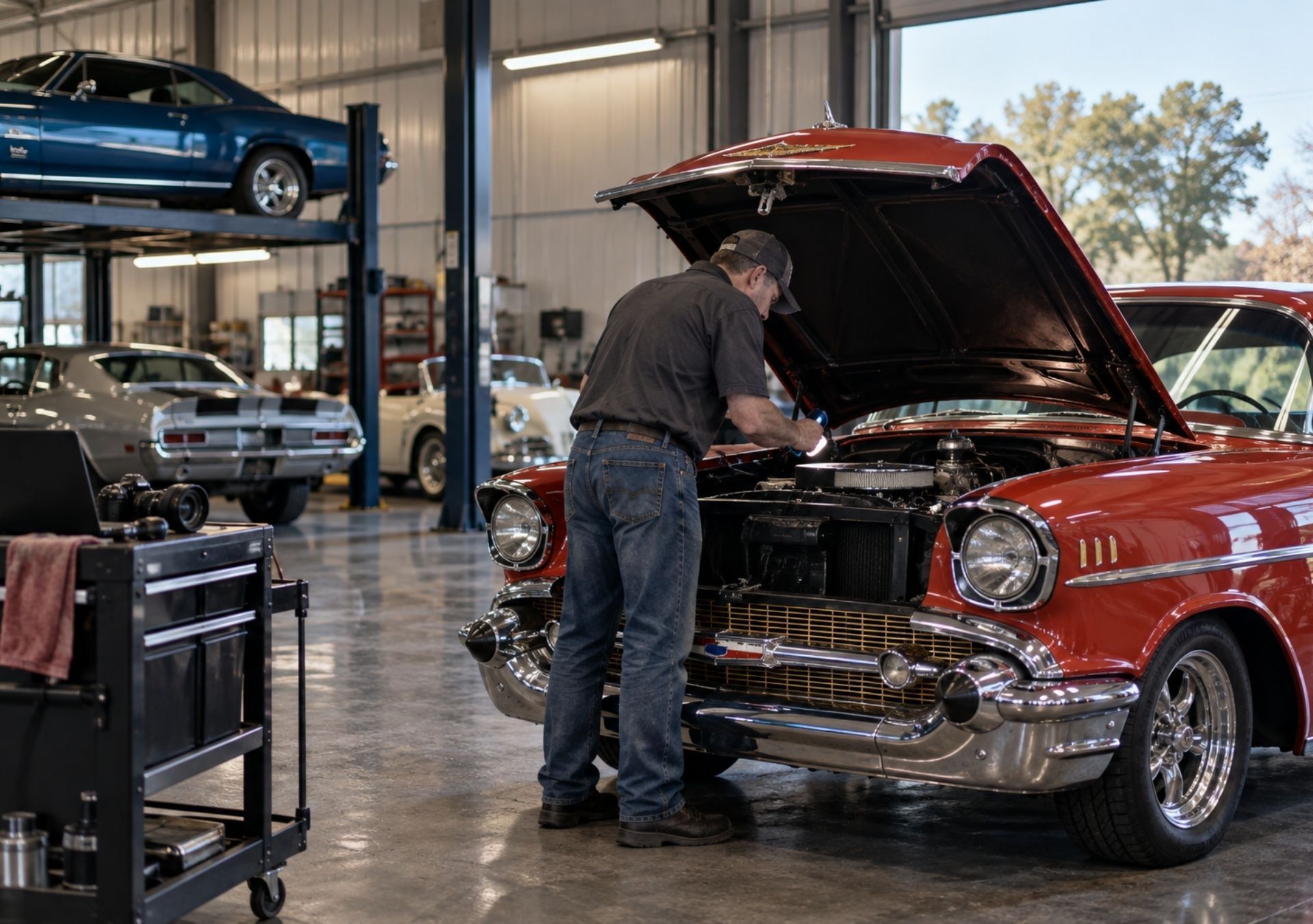
A single misvaluation on a 1967 Shelby GT500 can trigger a six-figure dispute. A hailstorm rolling through Dallas can shatter the windshield of a client's matching-numbers Corvette sitting in your inspection bay. For Texas firms that appraise and inspect collector vehicles, the risks are specific, high-dollar, and often poorly understood by general insurance agents. The right insurance program for a Texas collector vehicle appraisal and inspection firm needs to address liability, property, customer autos, and business interruption in ways that standard commercial policies simply don't.
Texas has also been tightening its insurance appraisal rules. Senate Bill 458, which affects personal automobile insurance policies issued or renewed in the state, has
reshaped how appraisal disputes are handled, making accurate valuations more consequential than ever. If your firm gets a number wrong, the fallout isn't just reputational. It can be financial and legal. This guide breaks down the four coverage pillars you need, explains how they interact, and helps you figure out where your current protection might fall short.
Core Liability Protections for Texas Appraisal Firms
Liability is the backbone of any commercial insurance program, but appraisal and inspection firms face two distinct types of exposure. One stems from your professional opinions. The other comes from physical operations, like walking around a client's vehicle or hosting inspections at your facility. Treating these as a single risk is a common mistake that leaves gaps.
Professional Liability and Errors & Omissions
Your appraisal report is a professional opinion with real financial weight. If you value a 1970 Plymouth Hemi 'Cuda at $2.8 million and the owner later discovers the engine block isn't numbers-matching, you could face a lawsuit alleging negligent misrepresentation. Errors and omissions (E&O) insurance covers defense costs and settlements when a client claims your professional work caused them financial harm.
E&O policies for appraisers typically range from $500 to $2,500 annually depending on your revenue, claims history, and coverage limits. Most firms carry $1 million per occurrence with a $2 million aggregate. One thing to keep in mind: standard E&O policies often exclude fraud or intentional misrepresentation, so your internal documentation practices matter. Keep detailed photo records, provenance files, and methodology notes for every appraisal. If a claim arises two years later, those records are your best defense.
The catch is that not all E&O policies are created equal. Some exclude collector or specialty vehicles entirely, treating them as outside a "standard" appraisal scope. Read the exclusions carefully before you sign.
General Liability for On-Site Inspections
General liability (GL) covers bodily injury and property damage that occur during your business operations. If a client trips over an air hose in your inspection bay and breaks a wrist, GL responds. If you accidentally scratch the paint on a 1955 Mercedes-Benz 300SL Gullwing during a physical inspection, GL can cover the repair, though you'll want to confirm your policy doesn't exclude damage to property in your care, custody, or control (that's where garagekeepers coverage comes in).
For Texas firms, GL premiums depend on your square footage, foot traffic, and whether you conduct inspections at client locations. Mobile appraisers who travel to homes, garages, or car shows face additional premises liability exposure at each site. A $1 million/$2 million GL policy is the standard starting point, but firms handling vehicles worth $500,000 or more should consider higher limits or an
umbrella policy.
Protecting Customer Vehicles and Business Property
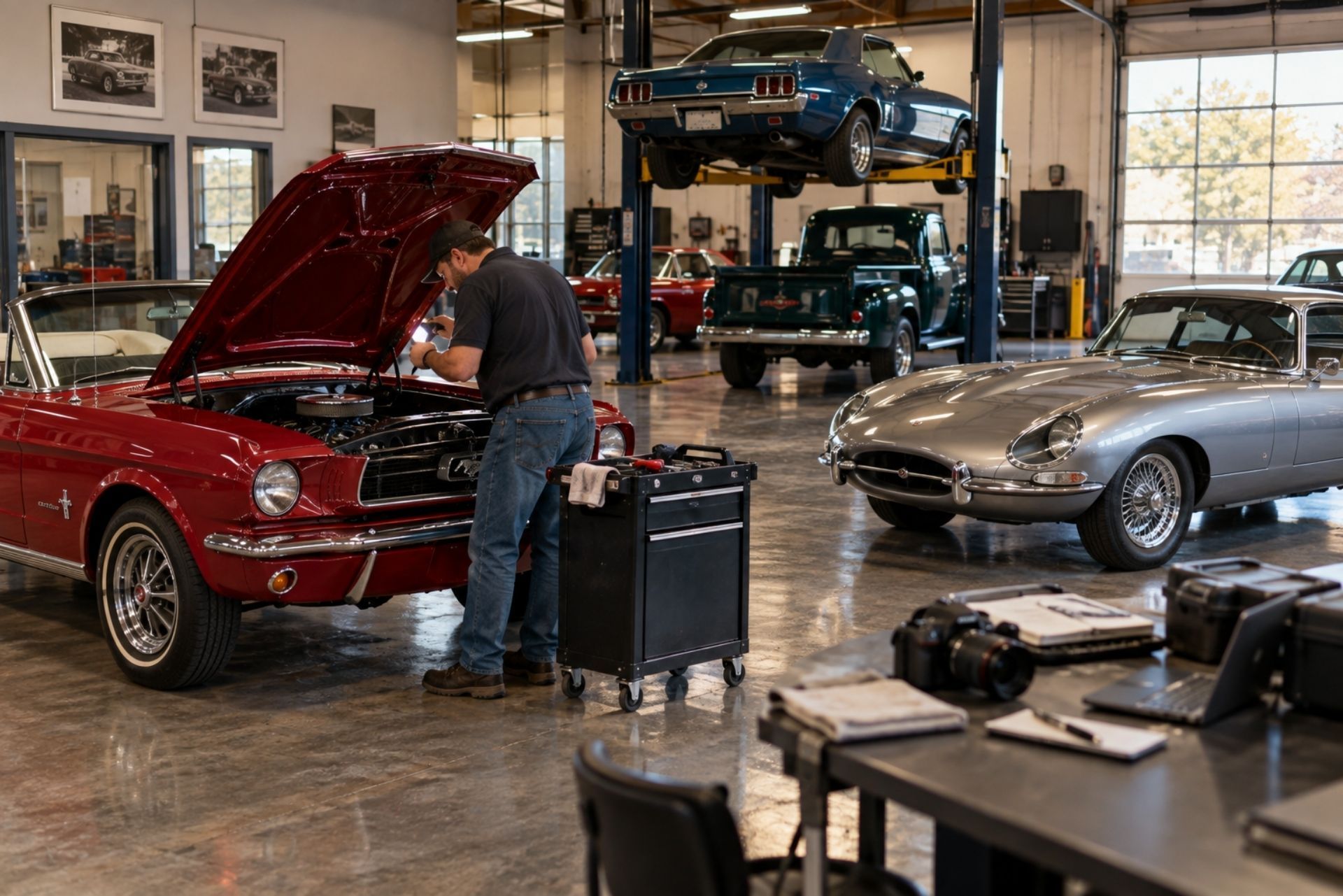
The vehicles you inspect aren't yours, but you're responsible for them the moment they enter your care. Your own property, from diagnostic equipment to office computers, also needs protection. These are separate coverage lines, and each one fills a different gap.
Garagekeepers Legal Liability for Collector Cars
Garagekeepers legal liability is specifically designed for businesses that store, service, or inspect vehicles belonging to others. If a fire damages three collector cars in your facility overnight, your general liability policy won't cover them. Garagekeepers will.
This matters because collector vehicles can't be valued like daily drivers. A standard garagekeepers policy might cap per-vehicle payouts at $50,000 or $100,000, which won't come close to covering a numbers-matching 1969 Camaro ZL1. You need agreed-value or stated-value endorsements that reflect the actual collector market. Texas-based firms should also consider how collector car insurance works for the vehicles themselves, since your clients' own policies may have exclusions for vehicles left at third-party facilities.
Hailstorms are a real concern across Texas. Dallas-Fort Worth, San Antonio, and the Hill Country see significant hail events nearly every spring. If you're storing client vehicles outdoors or in open carports, your garagekeepers policy needs to cover weather-related damage without restrictive sub-limits.
Commercial Property and Specialized Testing Equipment
Your facility, furniture, computers, and testing equipment all fall under commercial property insurance. For most appraisal firms, the big-ticket items include paint thickness gauges ($2,000 to $5,000), OBD diagnostic scanners, photography setups for documentation, and specialized lighting rigs.
Replacement cost coverage is worth the slightly higher premium compared to actual cash value. A five-year-old paint meter might have a depreciated value of $800, but replacing it costs $3,500. Make sure your policy reflects what it would actually cost to get back to work, not what your equipment is "worth" on a depreciation schedule.
Texas-specific risks include flooding (especially in Houston, Beaumont, and coastal areas), wind damage, and electrical surges from summer storms. Standard commercial property policies exclude flood damage. You'll need a separate flood policy if your facility sits in a FEMA-designated flood zone.
Inland Marine Coverage for Mobile Appraisers
If you travel to client locations, car shows, or auction houses to perform inspections, your equipment leaves the protection of your facility's commercial property policy. Inland marine insurance covers tools, testing devices, and portable equipment while in transit or at temporary locations.
A typical inland marine policy for a mobile appraiser runs $300 to $800 per year and covers theft, accidental damage, and loss during transport. This is especially relevant for firms that attend events like the Houston Auto Show or Mecum Auctions in Dallas, where equipment is exposed to crowds, weather, and unfamiliar venues. Some policies also cover the cost of renting replacement equipment while a claim is processed, which keeps your revenue flowing.
Safeguarding Revenue with Business Interruption Insurance
A fire, flood, or severe storm can shut down your facility for weeks or months. Business interruption insurance replaces lost income and covers ongoing fixed expenses, like rent, loan payments, and employee salaries, while you're unable to operate.
For appraisal firms, the calculation isn't just about lost appraisal fees. If you can't complete inspections, your clients may miss insurance deadlines, sale closings, or auction consignment windows. That can damage relationships and future referrals. Business interruption coverage typically kicks in after a short waiting period (usually 72 hours) and pays out for a defined restoration period, often 12 months.
Here's what that means for you: if your annual revenue is $400,000 and a hailstorm takes your facility offline for three months, you're looking at roughly $100,000 in lost income plus continuing expenses. Without business interruption coverage, that comes straight out of your pocket. Texas firms should also ask about "extended business income" endorsements, which continue coverage for a period after you reopen, since client volume rarely bounces back to normal on day one.
The
Texas Department of Insurance has been updating its guidance on appraisal-related claims and disputes, which means your firm's downtime could also create compliance headaches if you can't meet regulatory timelines.
Comparing Essential Coverage Tiers
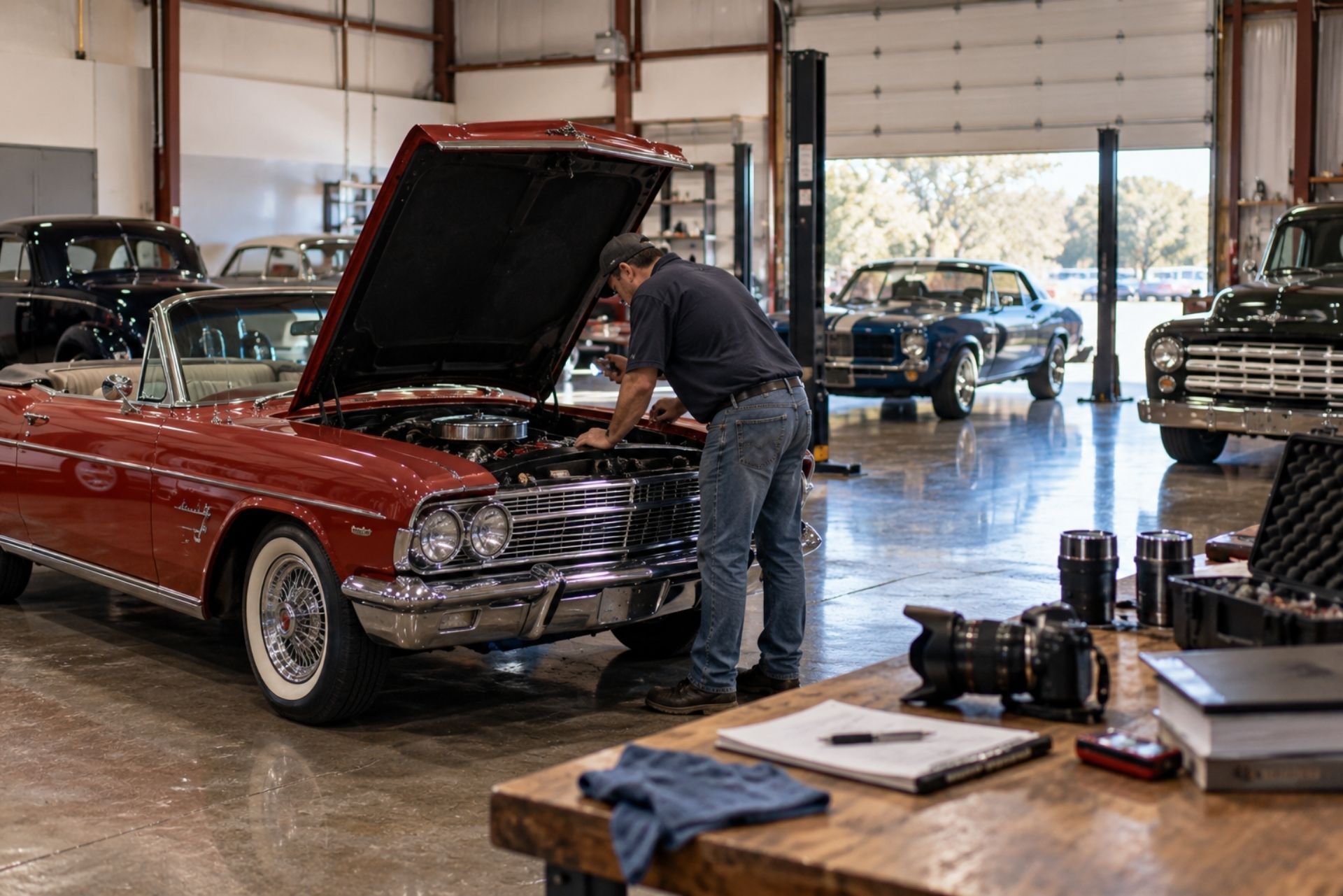
Not every firm needs the same level of protection. A solo appraiser working from a home office has different exposure than a five-person operation with a dedicated inspection facility. The table below outlines two common coverage tiers.
Comparison Table: Basic vs. Comprehensive Protection
| Coverage Type | Basic Tier | Comprehensive Tier |
|---|---|---|
| General Liability | $1M per occurrence / $2M aggregate | $2M per occurrence / $4M aggregate |
| Professional Liability (E&O) | $500K per claim / $1M aggregate | $1M per claim / $2M aggregate |
| Garagekeepers | $100K per vehicle / $300K total | $500K per vehicle / $1M total |
| Commercial Property | ACV basis, $250K limit | Replacement cost, $500K limit |
| Inland Marine | Not included | $25K portable equipment |
| Business Interruption | 3-month restoration period | 12-month restoration with extended income |
| Umbrella/Excess | Not included | $1M umbrella over GL and auto |
| Estimated Annual Premium | $3,500 - $5,500 | $8,000 - $14,000 |
The basic tier works for solo mobile appraisers who don't store client vehicles. The comprehensive tier is better suited for firms with physical facilities, employees, and regular custody of high-value collector cars. Most firms handling vehicles worth $250,000 or more should lean toward comprehensive coverage, since a single claim could exceed basic limits.
Common Questions About Texas Vehicle Appraisal Insurance
Does my general liability policy cover damage to a customer's car while I'm inspecting it? Usually not. Damage to vehicles in your care, custody, or control is typically excluded from GL policies. You need garagekeepers legal liability for that exposure.
How much E&O coverage do I need as a solo appraiser? Most solo appraisers start with $500,000 per claim and $1 million aggregate. If you regularly appraise vehicles worth over $500,000, consider higher limits.
Will my homeowner's policy cover equipment I use for mobile appraisals? Homeowner's policies typically exclude business equipment or impose very low sub-limits (often $2,500 or less). An inland marine policy is the right solution for portable tools and devices.
Do I need separate flood insurance in Texas? Yes. Standard commercial property policies exclude flood damage. If your facility is in a flood-prone area, especially in Houston, Galveston, or Beaumont, a separate flood policy is essential.
What's the difference between agreed value and actual cash value for garagekeepers coverage? Agreed value pays a pre-set amount you and the insurer agree on before a loss. Actual cash value deducts depreciation, which can leave you significantly short on collector vehicles whose market value far exceeds their depreciated worth. Collector car insurance specialists almost always recommend agreed value.
Does business interruption insurance cover lost clients or reputation damage? No. It covers lost income and fixed expenses during a covered shutdown. Reputation damage and client attrition aren't insurable losses, which is why having a communication plan during downtime matters.
Making the Right Choice for Your Firm
Insurance for a Texas collector vehicle appraisal firm isn't something you can buy off the shelf. The combination of professional liability, physical premises risk, custody of irreplaceable vehicles, and revenue vulnerability creates a profile that most general agents aren't equipped to handle well.
Start by inventorying your actual exposures. How many vehicles do you have on-site at any given time? What's the highest single-vehicle value you've appraised? Do you travel to client locations? Do you have employees or subcontractors? Each answer shapes your coverage needs.
Get quotes from agents who specialize in garage, automotive, or specialty vehicle operations. Ask specifically about agreed-value garagekeepers endorsements, E&O exclusions for collector vehicles, and business interruption waiting periods. The Texas insurance market has been shifting in response to increased weather claims and regulatory changes, so pricing and availability can vary significantly by region. Don't settle for a generic business owner's policy when your risks are anything but generic.
About The Author: Aaron Husman
As COO of The Phoenix Insurance, I’m focused on building lasting client relationships and delivering insurance solutions that make protection simple and effective. With years of experience in commercial and personal insurance, I take pride in helping individuals and businesses find coverage that brings confidence and peace of mind.
customer reviews
See What Our Clients Say About Us
Types of Auto Insurance
Insurance For Car Collectors By Car Collectors
Our team specializes in providing tailored insurance coverage for car collectors. Whether you own a rare classic, an exotic beauty, or a powerful muscle car, we understand the unique needs of your collection and work to ensure it’s protected with the care and expertise it deserves.


Contact us for better help and services. Explore all types of car insurance
FREQUENTLY ASKED QUESTIONS
At The Phoenix Insurance, we’re committed to answering your most pressing questions to ensure you feel confident about your coverage. From understanding the benefits of working with an independent agency to the specific insurance options we offer for Texas residents, we’ve got you covered.
What makes The Phoenix Insurance different from other insurance providers?
The Phoenix Insurance is an independent agency, meaning we work with multiple insurance carriers to find the best coverage and rates for your unique needs. Our proactive support and commitment to personalized service set us apart from other providers.
Why should I choose an independent insurance agency in Texas?
Independent agencies like The Phoenix Insurance offer more flexibility and personalized service than large, single-carrier companies. We compare coverage options from top-rated carriers to ensure you get the most value for your money.
Does The Phoenix Insurance provide coverage for real estate investors?
Yes, we specialize in insuring real estate investments, including single-family homes, apartments, commercial buildings, and industrial properties. Our team has extensive experience protecting real estate assets across Texas.
How does The Phoenix Insurance handle claims?
We guide clients through the entire claims process, working directly with the insurance carrier to ensure quick and fair resolutions. Our team is dedicated to providing the support you need when it matters most.
What types of insurance does The Phoenix Insurance offer for Texas residents?
We offer a wide range of personal and business insurance options, including home, auto, umbrella, and recreational vehicle coverage for individuals, as well as liability and property insurance for businesses and real estate investors.
Insurance Knowledge. Stories. Tips.
Our Latest Blogs
Explore expert tips, industry insights, and helpful resources from The Phoenix Insurance to stay informed and make confident decisions about your coverage.


Contact Us