

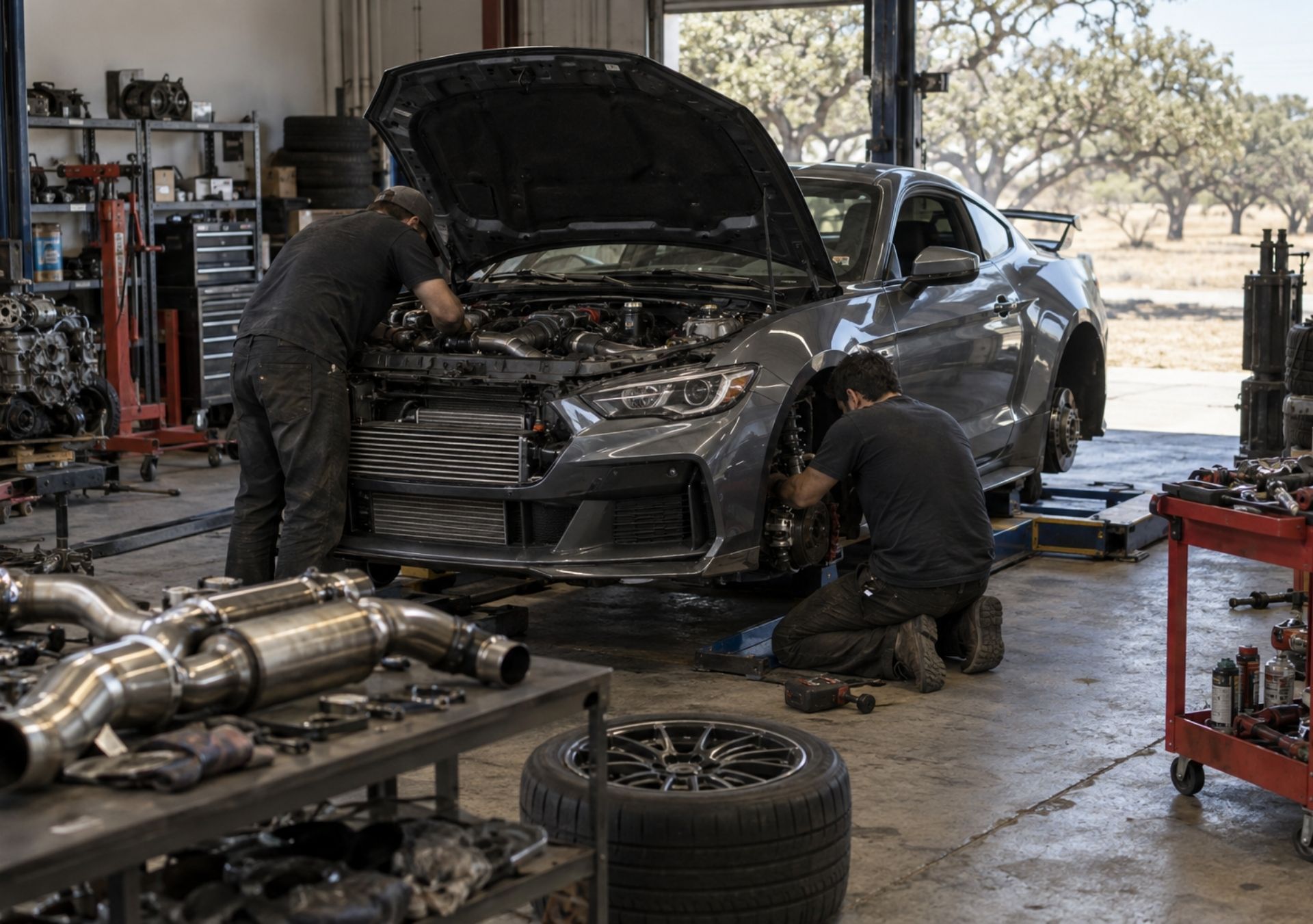
A custom-tuned Mustang rolls off your dyno making 650 horsepower, and the owner grins ear to ear. Two days later, the engine throws a rod on the highway. Guess who's getting the phone call? If you run a performance tuning shop in Texas, your risk profile looks nothing like a standard auto repair garage. Between high-value customer vehicles, specialized equipment worth six figures, and the inherent dangers of pushing engines past factory specs, you need insurance coverage built for what you actually do. The right combination of liability, property, customer vehicle, and business interruption coverage can mean the difference between surviving a bad claim and closing your doors for good.
Texas adds its own wrinkles, too. The state's severe weather, from Gulf Coast hurricanes to North Texas hail storms, creates property risks that shops in milder climates don't face. And new legislation like SB 458, effective January 1, 2026, is changing how appraisal disputes play out on auto claims, which could affect how your shop handles underpaid insurance payouts. Getting your coverage right isn't optional. It's the foundation that lets you keep building power.
Core Insurance Needs for Texas Performance Tuning Shops
Performance shops face a unique blend of risks that standard garage policies weren't designed to handle. You're working on vehicles worth $50,000 to $250,000 or more, installing aftermarket parts that void factory warranties, and making modifications that fundamentally change how a car behaves. A single mistake on a turbo kit install or ECU flash can result in catastrophic engine failure, or worse, an accident.
Your insurance package needs to account for this reality. The core coverages include general liability, professional liability, garagekeepers insurance, and workers' compensation. Each one addresses a different type of exposure, and skipping any of them leaves a gap that could cost you everything.
General Liability vs. Professional Liability for Tuners
General liability covers the basics: a customer slips on an oil spot in your shop, or a test vehicle damages someone's fence. It's your first line of defense against third-party bodily injury and property damage claims. Most Texas performance shops carry $1 million per occurrence and $2 million aggregate as a starting point.
Professional liability, sometimes called errors and omissions (E&O), covers something different entirely. This is where your expertise becomes your exposure. If a tune you wrote causes engine detonation, or a suspension setup you recommended leads to handling failure, professional liability responds to claims arising from your work product. Many standard garage policies don't include this coverage, and that's a problem for shops doing custom ECU calibration and performance builds. You need both policies working together.
Garagekeepers Legal Liability: Protecting Customer Vehicles
Your customer's 2024 Porsche 911 GT3 RS is sitting in your bay overnight. A fire breaks out. Your general liability policy won't cover damage to vehicles in your care, custody, or control. That's where garagekeepers legal liability steps in.
This coverage protects customer vehicles while they're at your shop for service. You'll want to pay attention to whether your policy covers on an "actual cash value" or "agreed value" basis. For modified vehicles, actual cash value can be a nightmare because insurers may not factor in the $30,000 worth of aftermarket parts your customer installed. Many performance vehicle owners already struggle with insurers who undervalue or refuse to cover modified cars, so your garagekeepers policy needs limits high enough to cover the real-world value of what's parked in your bays.
Workers' Compensation Requirements in the Lone Star State
Texas is one of the few states where workers' comp isn't mandatory for most private employers. That said, going without it is a gamble most shop owners shouldn't take. If a technician gets burned during a dyno pull or drops a transmission on their foot, you're personally liable for medical bills and lost wages without workers' comp in place.
Shops with even two or three employees should carry this coverage. Premiums for auto service workers in Texas typically run between $2.50 and $4.00 per $100 of payroll, depending on your claims history and the specific work being performed. High-performance work, with its exposure to hot exhaust components, high-pressure fuel systems, and test drives at speed, tends to land on the higher end of that range.
Protecting Your Physical Assets and Specialized Equipment
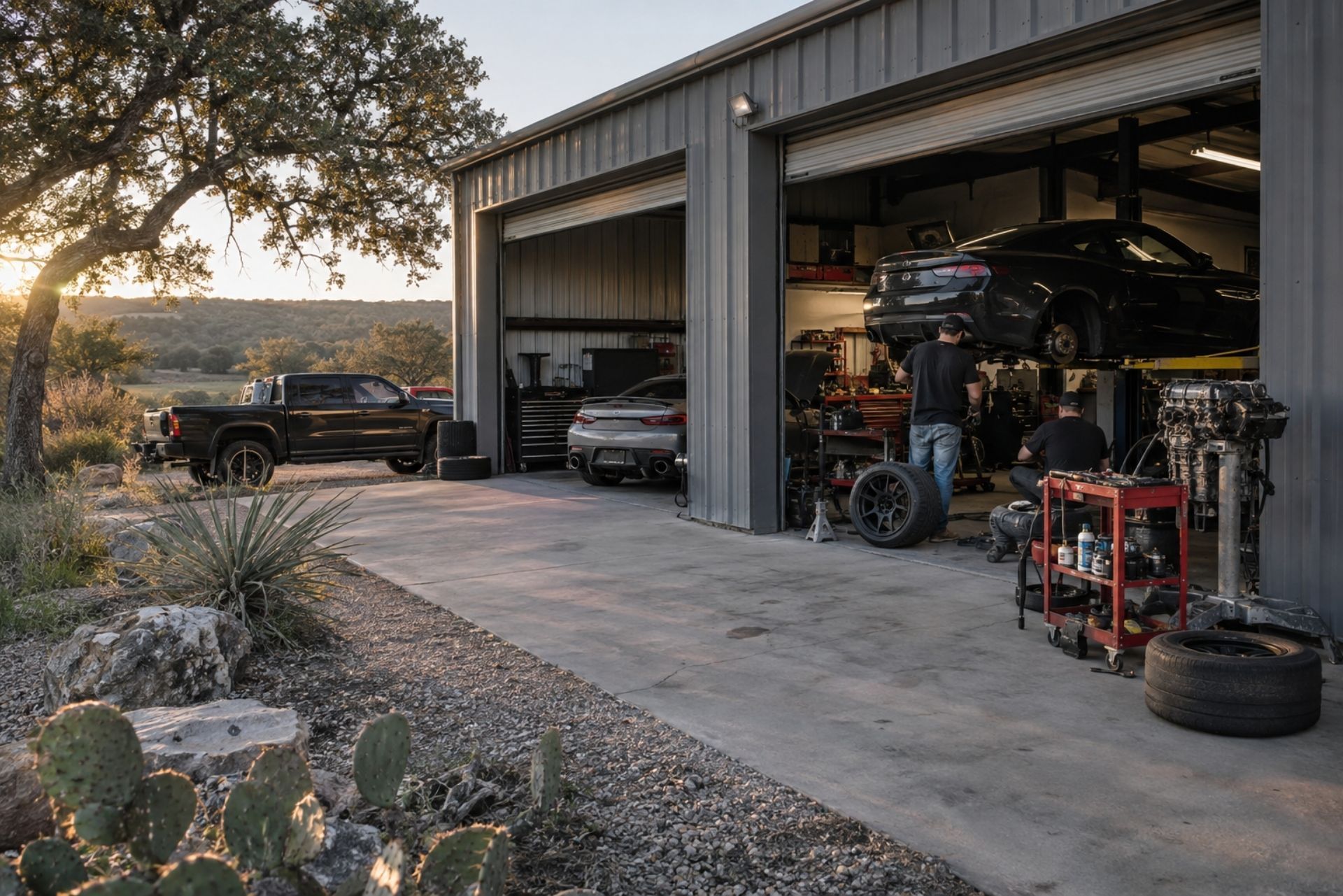
Your shop's physical assets go well beyond wrenches and floor jacks. A single Mainline or Dynapack chassis dyno can cost $30,000 to $80,000. Add in wideband O2 sensors, data acquisition systems, scan tools, and specialized fabrication equipment, and you're looking at hundreds of thousands of dollars in gear that a standard commercial property policy might not fully cover.
Commercial Property Coverage for Dynos and Diagnostic Tools
Commercial property insurance covers your building (if you own it), your equipment, inventory, and business personal property against perils like fire, theft, vandalism, and certain weather events. In Texas, you need to pay close attention to wind and hail coverage, which is sometimes excluded or sublimited in standard policies. Cities like Dallas, San Antonio, Houston, and Austin all sit in active hail corridors.
Make sure your policy covers replacement cost rather than actual cash value for your equipment. A five-year-old dyno that cost $60,000 new might have a depreciated value of $25,000, but replacing it still costs $60,000 or more. Replacement cost coverage closes that gap. Keep a detailed digital inventory with photos and serial numbers updated every six months, especially as you add new diagnostic tools or fabrication equipment.
Inland Marine Insurance for Off-Site Testing and Racing Events
Here's a coverage gap most shop owners don't think about until it's too late. Your commercial property policy typically only covers equipment at your listed business location. If you haul your portable dyno to a car show in Houston, bring diagnostic equipment to a track day at Circuit of the Americas, or transport a customer's engine to a machine shop across town, that equipment may not be covered.
Inland marine insurance fills this gap. It covers tools, equipment, and sometimes customer property while in transit or at temporary locations. For shops that do mobile tuning, attend SEMA events, or support customers at the drag strip, this coverage is essential. Premiums are usually modest relative to the value protected, often running $500 to $1,500 annually for $50,000 to $100,000 in portable equipment coverage.
Mitigating Risk During Test Drives and Dyno Pulls
Test drives and dyno sessions are where performance shops face their highest concentration of risk in the shortest time window. A wide-open-throttle dyno pull puts enormous stress on engines, drivetrains, and exhaust systems. Failures can send shrapnel through dyno rooms, start fires, or cause catastrophic damage to customer vehicles.
Your garage liability policy should explicitly cover test drives on public roads. Some policies limit coverage to a specific radius from your shop, typically 25 to 50 miles. If your shop regularly does highway pulls for boost curve verification or takes vehicles to nearby tracks, confirm your policy doesn't restrict where test drives can occur. Require all employees who drive customer vehicles to have clean driving records, and document every test drive with a written authorization form signed by the vehicle owner. These steps won't prevent every claim, but they demonstrate the kind of risk management that keeps premiums manageable and gives you a stronger defense if something goes wrong
Comparison: Standard Garage Policy vs. High-Performance Endorsements
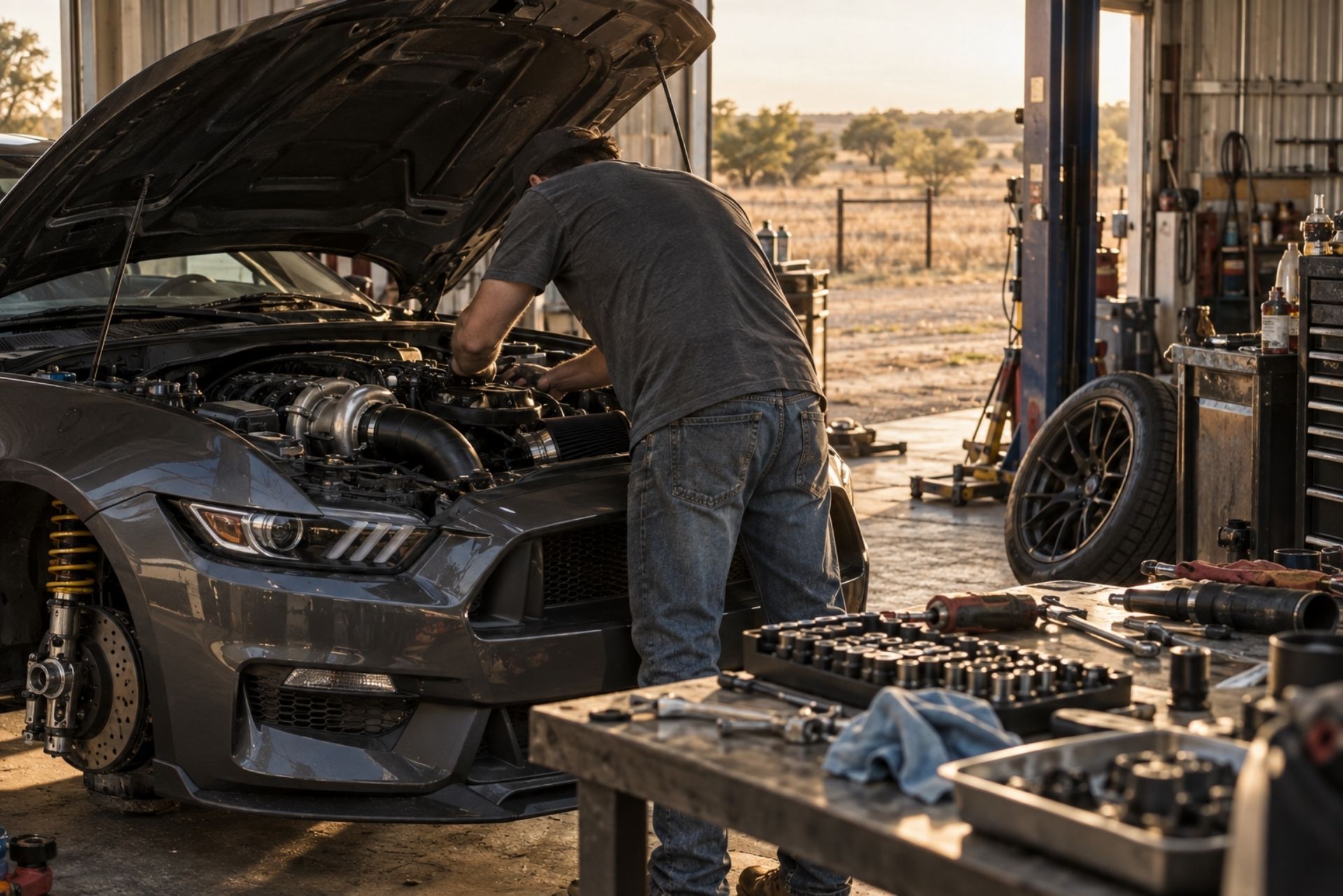
A standard garage policy is designed for oil change shops and brake repair businesses. It assumes the vehicles you're working on are stock, the parts you're installing are OEM, and the work you're doing doesn't fundamentally alter vehicle performance. Performance tuning shops need endorsements and policy modifications that reflect higher risk and higher vehicle values.
Coverage Comparison Table
| Coverage Area | Standard Garage Policy | High-Performance Endorsement |
|---|---|---|
| Garagekeepers Limit | $100,000 - $250,000 | $500,000 - $1,000,000+ |
| Professional Liability | Rarely included | Included or available |
| Test Drive Coverage | Limited radius, low speeds | Extended radius, track use possible |
| Customer Vehicle Valuation | Actual cash value (stock) | Agreed value including modifications |
| Equipment Coverage | Basic tools and lifts | Dynos, data acquisition, fabrication gear |
| Inland Marine | Not included | Available as endorsement |
| Business Interruption | 30-60 day waiting period | Shorter waiting periods available |
The catch is that high-performance endorsements cost more, typically 20% to 40% above standard garage policy premiums. But the alternative, being underinsured when a $150,000 customer car gets damaged, costs far more.
Business Interruption: Surviving Downtime in Texas
A direct hit from a hailstorm can put your shop out of commission for weeks. A fire in your dyno room could shut you down for months. Business interruption insurance replaces your lost income and covers ongoing expenses like rent, loan payments, and employee salaries while your shop is being repaired or rebuilt.
For Texas performance shops, this coverage matters more than you might expect. Hurricane season runs June through November, and severe thunderstorm activity peaks from March through June. If your shop sits in a flood-prone area near Houston or along the Gulf Coast, you may also need separate flood coverage since standard policies exclude flood damage.
One thing to keep in mind: Texas SB 458, effective January 2026, now mandates binding appraisal clauses in personal auto policies. This change could reshape how shops handle underpaid insurance claims by giving policyholders a faster path to dispute low settlements. While SB 458 primarily targets personal auto policies, the broader legislative intent behind the appraisal mandate signals a shift in how Texas regulators view claims disputes, and performance shops should track how this evolves.
Performance Shop Insurance FAQs
Common Questions About Tuning Liability
Does my insurance cover damage caused by a tune I wrote? Only if you carry professional liability (E&O) coverage. Standard general liability policies exclude claims arising from your professional services or work product. Ask your agent specifically about coverage for ECU calibration and performance modification work.
Will my garagekeepers policy cover a customer's modified vehicle at full value? It depends on your policy's valuation method. Actual cash value policies often undervalue modified vehicles. Push for agreed value coverage, and require customers to provide a written declaration of their vehicle's value, including aftermarket parts, before you begin work.
Do I need separate coverage for track days or car show appearances? Yes, in most cases. Your commercial property and garage liability policies typically only apply at your listed business address. Inland marine insurance covers equipment in transit, and you may need special event liability for track-side tuning.
What happens if a customer's car is stolen from my lot? Garagekeepers coverage with a comprehensive peril option covers theft. Make sure your policy doesn't exclude vehicles left overnight or on weekends, since many performance jobs require multi-day teardowns.
How does Texas weather affect my premiums? Significantly. Shops in hail-prone areas like North Texas or hurricane zones along the Gulf Coast pay higher property and business interruption premiums. Installing impact-resistant roofing and storm shutters can help reduce costs.
Is workers' comp really optional in Texas? Technically yes for most private employers, but opting out exposes you to direct lawsuits from injured employees without the liability caps that workers' comp provides. Most insurance professionals strongly recommend carrying it.
Making the Right Choice for Your Shop
Getting insurance right for a Texas performance tuning shop means thinking beyond the standard garage policy. You need coverage that matches the actual value of the vehicles you touch, protects the specialized equipment you depend on, and keeps revenue flowing when disaster forces you offline.
Start by auditing your current policy against the comparison table above. If your garagekeepers limits wouldn't cover the most expensive car in your shop right now, that's your first call to your agent. If you don't have professional liability coverage for your tuning and fabrication work, that's your second call.
Work with an agent or broker who understands performance and specialty automotive businesses, not someone who primarily writes policies for quick-lube franchises. The right broker will know which carriers offer high-performance endorsements and won't try to fit your shop into a cookie-cutter garage policy. Your shop exists to push vehicles beyond their limits. Your insurance should be built to handle what happens when things go sideways.
About The Author: Aaron Husman
As COO of The Phoenix Insurance, I’m focused on building lasting client relationships and delivering insurance solutions that make protection simple and effective. With years of experience in commercial and personal insurance, I take pride in helping individuals and businesses find coverage that brings confidence and peace of mind.
customer reviews
See What Our Clients Say About Us
Types of Auto Insurance
Insurance For Car Collectors By Car Collectors
Our team specializes in providing tailored insurance coverage for car collectors. Whether you own a rare classic, an exotic beauty, or a powerful muscle car, we understand the unique needs of your collection and work to ensure it’s protected with the care and expertise it deserves.


Contact us for better help and services. Explore all types of car insurance
FREQUENTLY ASKED QUESTIONS
At The Phoenix Insurance, we’re committed to answering your most pressing questions to ensure you feel confident about your coverage. From understanding the benefits of working with an independent agency to the specific insurance options we offer for Texas residents, we’ve got you covered.
What makes The Phoenix Insurance different from other insurance providers?
The Phoenix Insurance is an independent agency, meaning we work with multiple insurance carriers to find the best coverage and rates for your unique needs. Our proactive support and commitment to personalized service set us apart from other providers.
Why should I choose an independent insurance agency in Texas?
Independent agencies like The Phoenix Insurance offer more flexibility and personalized service than large, single-carrier companies. We compare coverage options from top-rated carriers to ensure you get the most value for your money.
Does The Phoenix Insurance provide coverage for real estate investors?
Yes, we specialize in insuring real estate investments, including single-family homes, apartments, commercial buildings, and industrial properties. Our team has extensive experience protecting real estate assets across Texas.
How does The Phoenix Insurance handle claims?
We guide clients through the entire claims process, working directly with the insurance carrier to ensure quick and fair resolutions. Our team is dedicated to providing the support you need when it matters most.
What types of insurance does The Phoenix Insurance offer for Texas residents?
We offer a wide range of personal and business insurance options, including home, auto, umbrella, and recreational vehicle coverage for individuals, as well as liability and property insurance for businesses and real estate investors.
Insurance Knowledge. Stories. Tips.
Our Latest Blogs
Explore expert tips, industry insights, and helpful resources from The Phoenix Insurance to stay informed and make confident decisions about your coverage.


Contact Us