Texas HPDE and Motorsports Event Organizer Insurance

See How We're Different:
or Call Us: (214) 253-0570
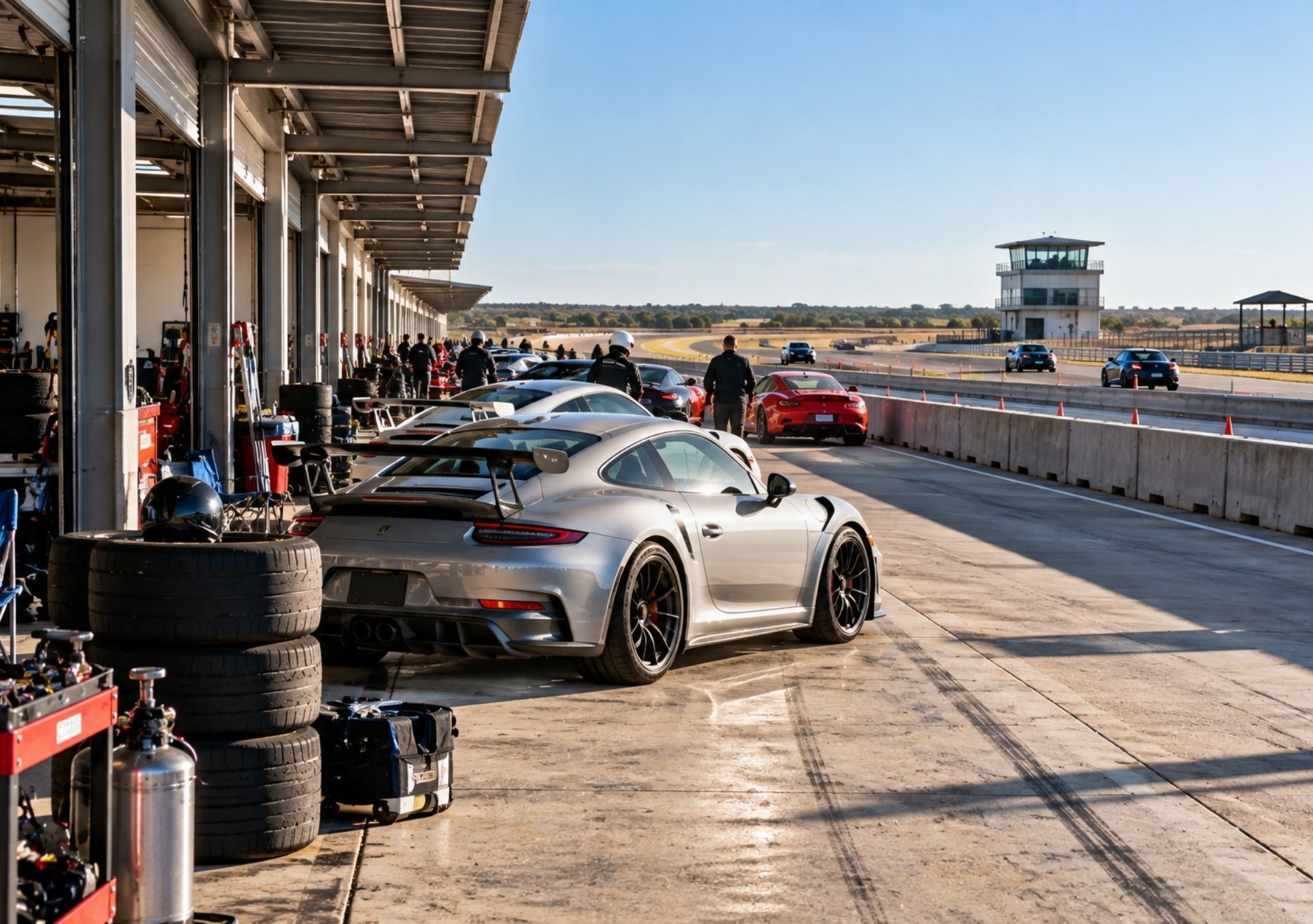
Running a high-performance driving education (HPDE) event or motorsports program in Texas means managing risks that most standard business insurance policies were never designed to handle. Cars traveling at triple-digit speeds, amateur drivers pushing their limits, and borrowed or rented track facilities create a web of liability exposures that can financially ruin an organizer after a single incident. Whether you're hosting lapping days at Harris Hill Raceway or a full weekend at COTA, the right insurance program covering liability, property, customer vehicles, and business interruption is what separates a sustainable operation from one bad weekend away from shutting down. Texas has its own legal quirks, too, from new inherent-risk statutes to venue-specific insurance mandates that shape what you need and how much you'll pay.
Risk Management for Texas Track Day Organizers
HPDE and motorsports events carry a risk profile that makes most commercial underwriters nervous. Understanding the specific hazards and Texas-specific legal factors helps you buy smarter coverage and avoid gaps that could cost you everything.
Unique Hazards of HPDE Events
HPDE events put inexperienced drivers behind the wheel of powerful cars on unfamiliar circuits. That combination produces incidents you won't find in a typical general liability filing: high-speed spins into tire walls, mechanical failures that send fluid across the racing surface, and multi-car contact in braking zones. Heat is another factor. Texas summers push ambient temperatures past 100°F regularly, increasing the chance of driver fatigue, tire blowouts, and brake fade. Equipment failures at these temperatures aren't rare; they're expected.
The presence of ride-along passengers and in-car instructors adds another layer. If an instructor is injured during a student's off-track excursion, the liability question gets complicated fast. And unlike sanctioned racing, HPDE participants often drive their own street-registered vehicles, meaning you're dealing with a mix of personal auto policies, aftermarket modifications, and wildly varying skill levels.
Texas-Specific Liability Considerations
Texas law shifted meaningfully for motorsports organizers when House Bill 5624 took effect on September 1, 2025. The statute provides inherent-risk liability protections for motorized off-road vehicle entities, shielding organizers and property owners from civil liability for injuries that result from risks natural to the activity. That said, qualifying for this protection requires organizers to post specific warning signs, and the law does not protect against gross negligence or intentional misconduct.
This matters because a waiver-and-warning-sign strategy only goes so far. If a court determines your safety protocols were reckless, say you allowed a novice driver on track without an instructor, or you failed to address a known surface hazard, the inherent-risk defense evaporates. Insurance remains the financial backstop when legal protections fall short.
Core Coverage Types for Motorsports Events
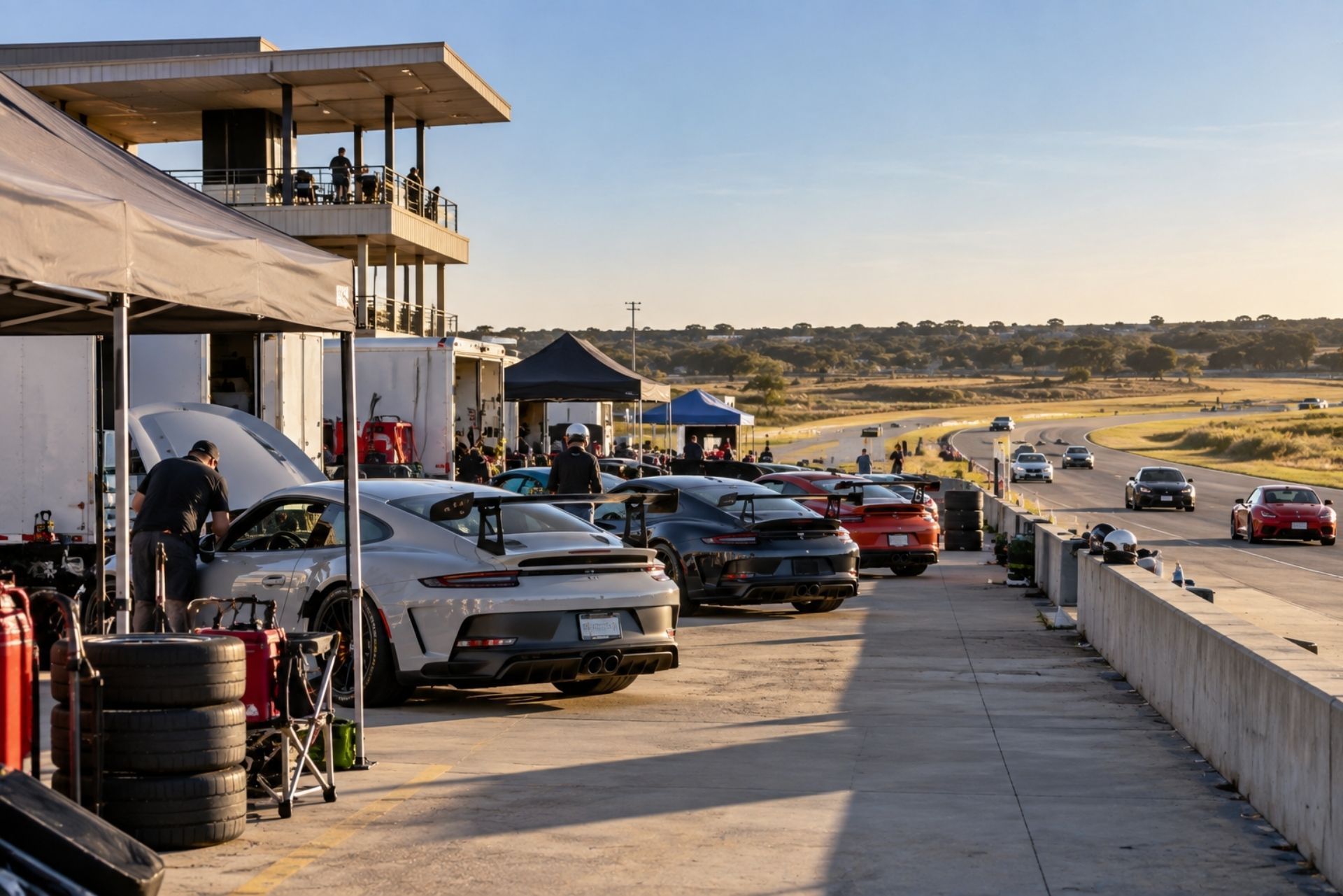
A proper insurance program for Texas HPDE and motorsports event organizers isn't a single policy. It's a layered structure that addresses different exposures. Here's how the key coverage types break down.
General Liability vs. Professional Liability
General liability (GL) covers bodily injury and property damage claims from third parties, like a spectator hit by debris or a vendor whose equipment is damaged. Professional liability, sometimes called errors and omissions (E&O), covers claims arising from your professional services, such as an instructor giving negligent driving advice that leads to a crash.
Most track venues require proof of GL coverage with limits of at least $1 million per occurrence and $2 million aggregate, according to https://www.graystonetx.com/bar-and-nightclub-insurance/tennessee. Professional liability is less commonly required by venues but is critical if your organization provides instruction. A GL policy alone won't respond to a claim that your teaching methodology caused an accident.
Participant Legal Liability and Medical Payments
Participant legal liability (PLL) is the coverage that responds when a participant is injured during your event and alleges your organization was at fault. This is distinct from GL because participants have a different legal relationship with you than bystanders do. Medical payments coverage, often called "med pay," pays smaller medical bills regardless of fault, which can prevent minor injuries from becoming lawsuits.
One common mistake organizers make is assuming their signed waivers eliminate the need for PLL. Waivers reduce exposure, but Texas courts can and do invalidate waivers that are poorly drafted, overly broad, or signed under pressure. PLL coverage fills that gap.
Spectator and Third-Party Coverage
Spectators, media personnel, and track staff who aren't participants need protection under your policy too. If a car leaves the track surface and strikes a spectator area, or if a photographer is injured by flying gravel, your GL policy is the first line of defense. Some organizers carry umbrella policies that extend limits beyond the base GL, which is wise for events with large spectator counts.
Comparison of Event Insurance Tiers
Not every organizer needs the same level of protection. The table below outlines typical coverage tiers you'll encounter when shopping for motorsports event organizer insurance in Texas.
| Coverage Element | Basic Tier | Standard Tier | Premium Tier |
|---|---|---|---|
| General Liability | $1M / $2M | $1M / $2M | $2M / $5M |
| Participant Legal Liability | Not included | $1M per occurrence | $2M per occurrence |
| Medical Payments | Included | Included | Included |
| Customer Auto Physical Damage | Not included | Limited | Full replacement cost |
| Business Interruption | Not included | Named perils only | All-risk with 30-day waiting period |
| Instructor/Volunteer Coverage | Excluded | Included | Included with excess limits |
The basic tier might work for a small, private lapping day with 15 cars and no spectators. Once you're hosting public events, charging entry fees, or operating at a major facility, standard or premium coverage becomes necessary. Business interruption alone can justify the upgrade: the
Allianz Risk Barometer 2026 ranks business interruption as the third-highest global risk, and a single cancelled event weekend can cost an organizer tens of thousands in lost revenue, non-refundable deposits, and contractual penalties.
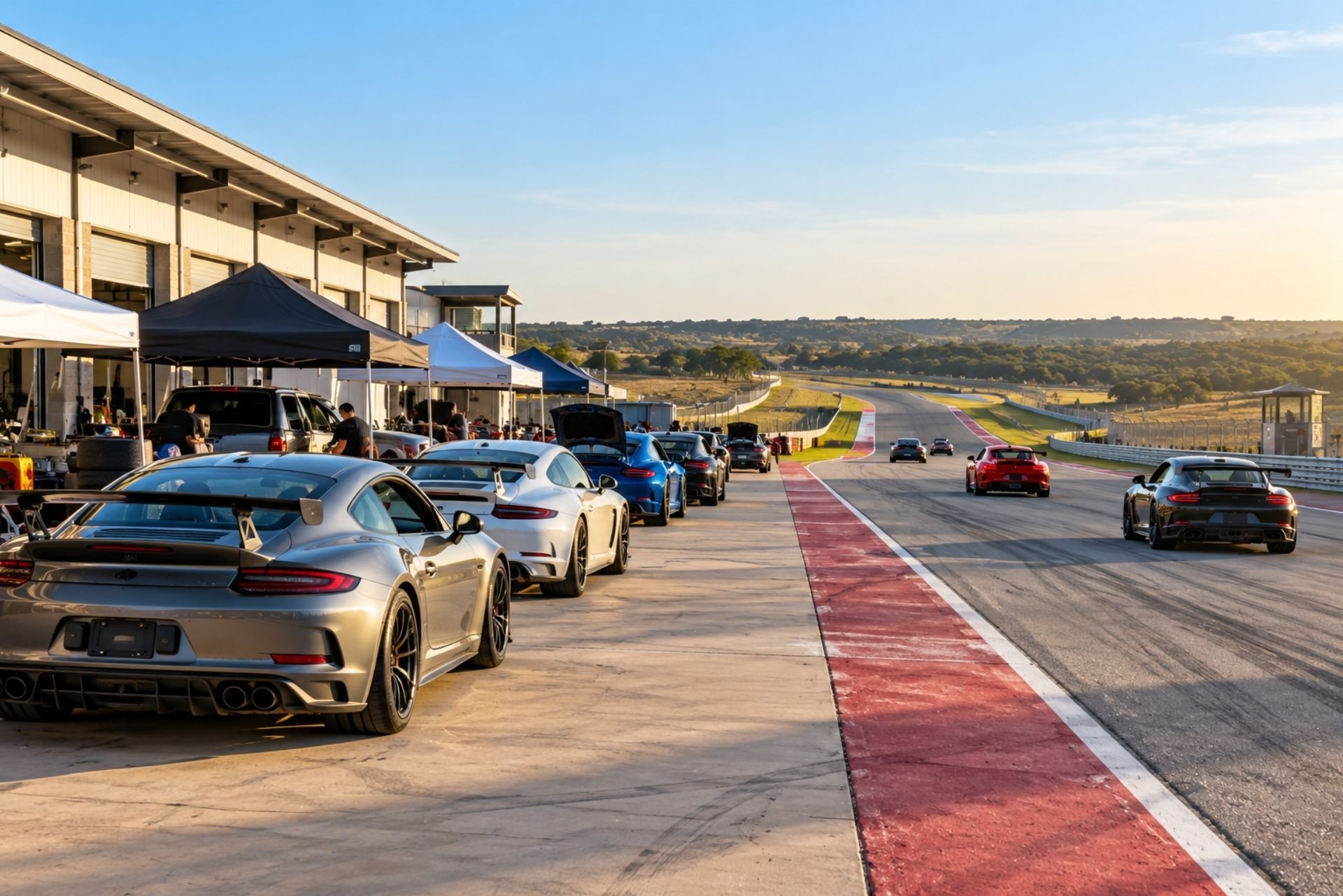
Every track facility in Texas has its own insurance requirements, and failing to meet them means your event doesn't happen. Knowing what to expect saves time and prevents last-minute scrambles.
Circuit of the Americas (COTA) Standards
COTA is the premier motorsports venue in Texas, and its insurance requirements reflect that status. Organizers typically need to name COTA as an additional insured on their GL policy, carry minimum limits of $1 million per occurrence and $2 million aggregate (https://www.graystonetx.com/bar-and-nightclub-insurance/tennessee), and provide certificates of insurance before the event date. COTA may also require proof of participant medical coverage and auto physical damage coverage for vehicles on the circuit. Expect a thorough review process; their risk management team doesn't rubber-stamp applications.
Club Tracks and Private Facilities
Smaller venues like MSR Houston, Motorsport Ranch in Cresson, and Eagles Canyon Raceway have less standardized requirements, but they still demand proof of insurance. Some club tracks require only a basic GL certificate, while others want to see participant liability and medical payments coverage. Private facilities sometimes offer their own event insurance as an add-on, but these policies tend to have lower limits and more exclusions than standalone coverage. Always read the fine print before relying on venue-provided insurance.
Common Questions About HPDE Insurance
Does my personal auto policy cover track events? Almost certainly not. Standard personal auto policies exclude coverage for vehicles used in racing, speed contests, or organized track events. Even "non-competitive" HPDE days typically fall within these exclusions. You'll need a separate track day or motorsports policy to cover vehicle damage.
What happens if a participant hits a track barrier? Barrier repair costs fall on the organizer unless the venue's rental agreement says otherwise. Your property damage coverage or the venue's required property bond should respond, but you'll want to verify this before signing any facility rental contract. Barrier repairs can be costly, ranging from tire wall resets to Armco or concrete barrier replacement.
Are instructors covered under the organizer's policy? It depends on the policy. Some GL and PLL policies extend coverage to volunteer instructors acting within the scope of their duties. Others exclude instructors entirely or treat them as independent contractors without coverage. If you use instructors, confirm in writing that your policy covers them, or require them to carry their own professional liability insurance.
How do waivers impact my insurance coverage? Waivers don't replace insurance, but they do complement it. A well-drafted waiver can reduce the number of claims that reach your insurer, which helps keep premiums manageable over time. The catch is that Texas courts evaluate waivers on a case-by-case basis. A waiver that's too vague or fails to clearly describe the risks may be thrown out entirely.
Can I get insurance for a single-day event? Yes. Several specialty insurers offer single-event policies for motorsports organizers. These are typically more expensive per day than annual policies, but they make sense if you only host one or two events per year. Expect to provide event details, participant counts, and venue information in advance to get binding coverage.
Before You Buy a Policy
Choosing the right insurance for your Texas HPDE or motorsports event isn't just about meeting venue minimums. It's about building a program that protects your organization, your participants, and your ability to keep operating after something goes wrong. Start by cataloging your actual exposures: How many events do you run? Do you provide instruction? What's the most expensive car likely to show up? How many spectators attend?
From there, work with a broker who specializes in motorsports and understands the difference between a cars-and-coffee liability certificate and a real track day program. Generic commercial brokers often miss critical coverage gaps like customer auto physical damage or instructor liability. Ask any prospective broker how many HPDE organizer policies they've placed in the last 12 months. If the answer is zero, keep looking.
Your insurance program should evolve as your events grow. What worked for a 20-car lapping day at a private ranch won't protect you when you're running 80 cars at COTA with spectators and media. Review your coverage annually, update your participant counts and revenue projections, and make sure your policy keeps pace with your operation.
About The Author: Aaron Husman
As COO of The Phoenix Insurance, I’m focused on building lasting client relationships and delivering insurance solutions that make protection simple and effective. With years of experience in commercial and personal insurance, I take pride in helping individuals and businesses find coverage that brings confidence and peace of mind.
customer reviews
See What Our Clients Say About Us
Types of Auto Insurance
Insurance For Car Collectors By Car Collectors
Our team specializes in providing tailored insurance coverage for car collectors. Whether you own a rare classic, an exotic beauty, or a powerful muscle car, we understand the unique needs of your collection and work to ensure it’s protected with the care and expertise it deserves.


Contact us for better help and services. Explore all types of car insurance
FREQUENTLY ASKED QUESTIONS
At The Phoenix Insurance, we’re committed to answering your most pressing questions to ensure you feel confident about your coverage. From understanding the benefits of working with an independent agency to the specific insurance options we offer for Texas residents, we’ve got you covered.
What makes The Phoenix Insurance different from other insurance providers?
The Phoenix Insurance is an independent agency, meaning we work with multiple insurance carriers to find the best coverage and rates for your unique needs. Our proactive support and commitment to personalized service set us apart from other providers.
Why should I choose an independent insurance agency in Texas?
Independent agencies like The Phoenix Insurance offer more flexibility and personalized service than large, single-carrier companies. We compare coverage options from top-rated carriers to ensure you get the most value for your money.
Does The Phoenix Insurance provide coverage for real estate investors?
Yes, we specialize in insuring real estate investments, including single-family homes, apartments, commercial buildings, and industrial properties. Our team has extensive experience protecting real estate assets across Texas.
How does The Phoenix Insurance handle claims?
We guide clients through the entire claims process, working directly with the insurance carrier to ensure quick and fair resolutions. Our team is dedicated to providing the support you need when it matters most.
What types of insurance does The Phoenix Insurance offer for Texas residents?
We offer a wide range of personal and business insurance options, including home, auto, umbrella, and recreational vehicle coverage for individuals, as well as liability and property insurance for businesses and real estate investors.
Insurance Knowledge. Stories. Tips.
Our Latest Blogs
Explore expert tips, industry insights, and helpful resources from The Phoenix Insurance to stay informed and make confident decisions about your coverage.


Contact Us