

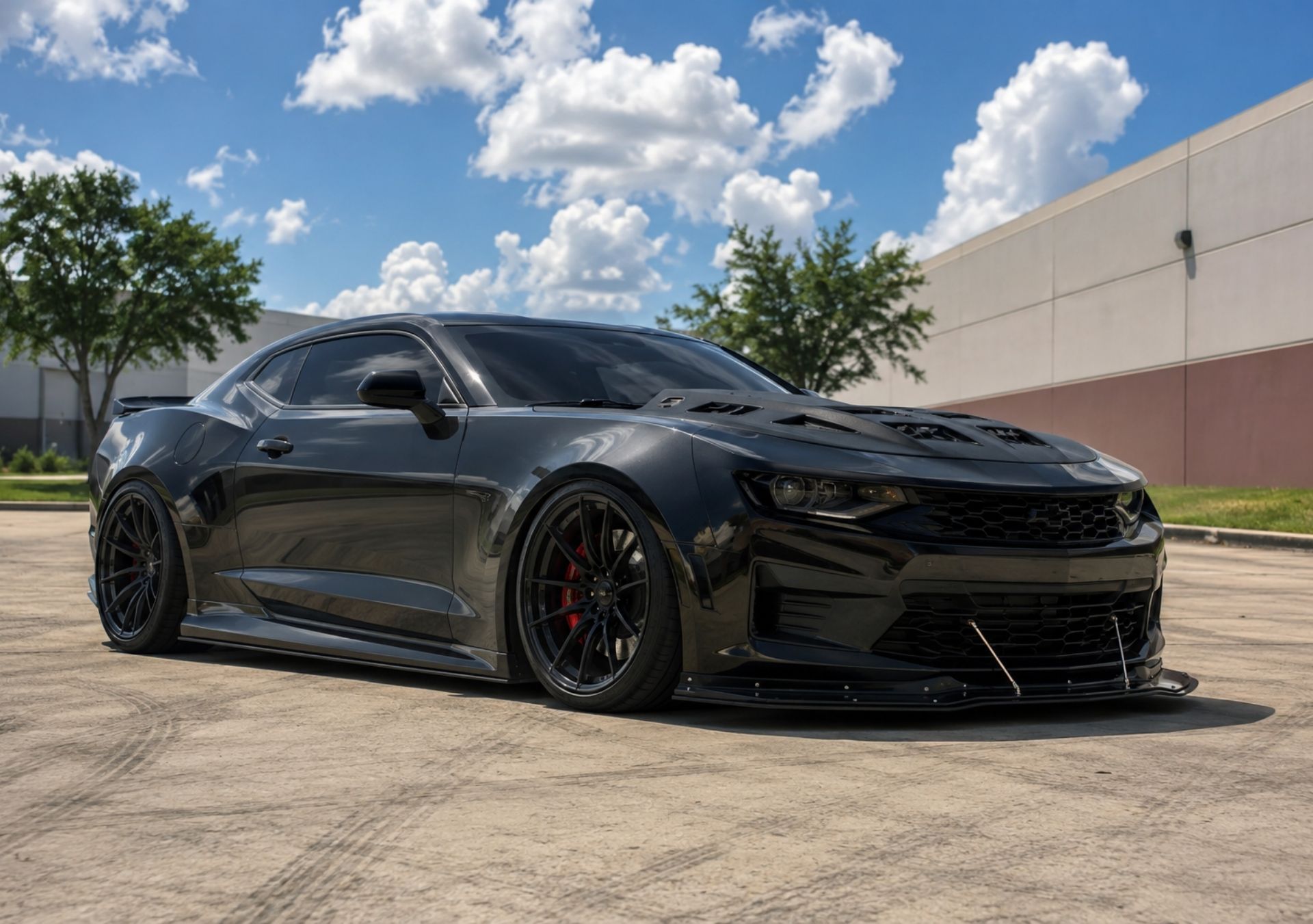
You just dropped $8,000 on a turbo kit for your Mustang, added custom wheels, and finished it off with a professional wrap. Then someone rear-ends you in a parking lot in Houston, and your insurer cuts you a check based on the stock value of the car. All those upgrades? Gone. This scenario plays out constantly across Texas, where car culture runs deep but insurance literacy around modifications often doesn't. If you've invested in aftermarket parts, understanding what your policy actually covers, and what it ignores, is the difference between a minor setback and a financial disaster. Texas has its own set of rules governing insurance payouts and vehicle modifications, and the landscape shifted again with recent legislation. Whether you're running a lifted truck in West Texas or a tuned import in Dallas, knowing how modified car insurance works in Texas, and which aftermarket parts are actually covered, can save you thousands.
Understanding Modified Car Insurance in Texas
Most standard auto insurance policies in Texas are built around one concept: restoring your vehicle to its factory condition after a loss. That means if you file a claim, your insurer calculates the payout based on the stock version of your car, not the version you've spent years and thousands of dollars building. For anyone with aftermarket parts, this creates a significant gap between what your car is worth to you and what your insurance company thinks it's worth.
Modified car insurance fills that gap by accounting for the added value of custom parts and equipment. Some insurers offer endorsements you can add to a standard policy, while others provide specialty policies designed specifically for modified or collector vehicles. The key is understanding exactly what type of coverage you're carrying before you need to file a claim.
The Difference Between OEM and Aftermarket Parts
OEM (Original Equipment Manufacturer) parts are identical to the components installed at the factory. Aftermarket parts are made by third-party manufacturers and can range from basic replacement components to high-performance upgrades. This distinction matters enormously for insurance purposes.
Texas recently passed SB 1429, which mandates that insurers pay for OEM parts on vehicles less than 36 months old and follow manufacturer repair procedures. That's great news if you're driving a newer car and want factory-spec repairs after an accident. But it doesn't directly address the custom turbo, coilovers, or carbon fiber hood you installed yourself. Those fall into a separate coverage category entirely.
Why Standard Texas Policies Often Fall Short
A standard Texas auto policy typically includes between $0 and $1,000 in coverage for custom parts and equipment. If you've spent $5,000 on a sound system alone, that default limit is practically meaningless. The insurer will pay to replace your car's stock stereo, not the Alpine or JL Audio setup you installed.
The catch is that many car owners don't realize this until after a total loss or theft. Your policy's declarations page will list your CPE (Custom Parts and Equipment) limit, if you have one at all. If you haven't specifically requested and paid for additional coverage, you're likely underinsured. Texas law requires insurers to
provide automatic explanations of coverage changes, but the burden of understanding what you actually need still falls on you.
Common Aftermarket Parts Covered by Texas Insurers
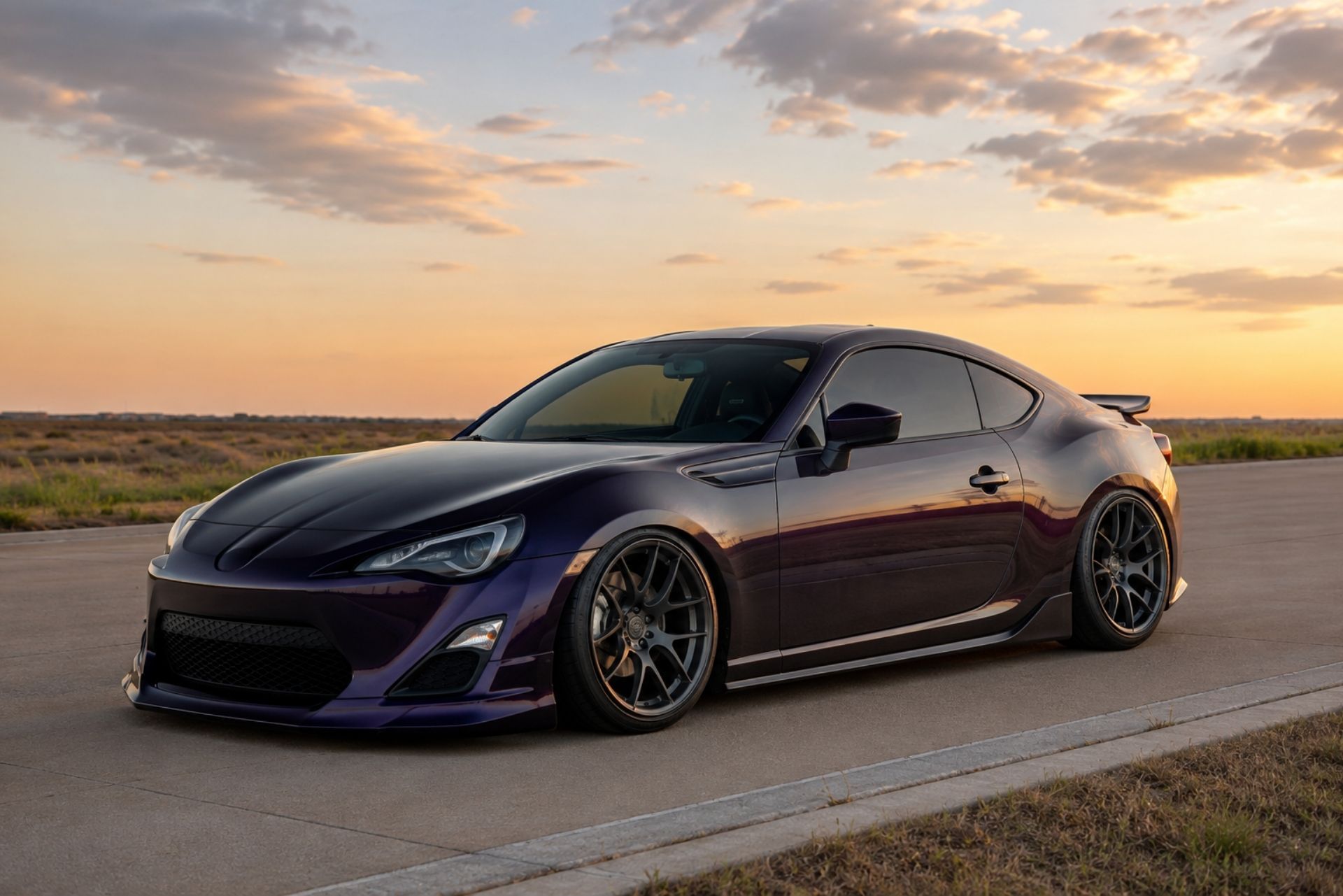
Not all modifications are treated equally by insurance companies. Some are straightforward to cover, while others raise red flags or require specialty policies. Here's what you can generally expect Texas insurers to cover under a CPE endorsement or modified vehicle policy.
Performance Enhancements and Engine Tuning
Turbochargers, superchargers, cold air intakes, exhaust systems, ECU tunes, and upgraded fuel injectors all fall under performance modifications. Most mainstream insurers will cover these under a CPE endorsement, but they'll want documentation: receipts, photos, and sometimes a professional appraisal.
One thing to keep in mind: performance mods can also increase your premium. Insurers view a 600-horsepower vehicle differently than a stock 300-horsepower one, because the risk profile changes. Some companies may even decline to cover certain performance builds, pushing you toward specialty insurers like Hagerty, Grundy, or American Collectors.
Exterior Modifications and Custom Paint
Custom paint jobs, vinyl wraps, body kits, aftermarket bumpers, fender flares, spoilers, and custom wheels are among the most common exterior modifications in Texas. These are generally coverable, but you'll need to declare them and carry sufficient CPE limits.
A professional-quality paint job can cost $3,000 to $10,000 or more. A full vehicle wrap runs $2,500 to $6,000 on average. If your CPE limit is only $1,000, you're eating most of that cost yourself after a covered loss. Custom trucks with aftermarket bumpers and bed accessories face similar coverage considerations, especially if the vehicle is also used for work.
Interior Upgrades and Sound Systems
Custom upholstery, racing seats, roll cages, aftermarket steering wheels, touchscreen head units, amplifiers, subwoofers, and speaker upgrades all qualify as interior modifications. Sound systems are one of the most frequently underinsured modifications because owners tend to add components gradually without updating their policy.
If you've installed a $3,500 sound system piece by piece over two years, you may have never thought to call your agent. That's a common and costly mistake. Keep a running inventory with receipts, photos, and installation dates. Digital inventory tools make this easier than ever, and having that documentation ready can speed up a claim by days or even weeks.
CPE coverage is the most common way to insure aftermarket parts on a modified vehicle in Texas. It's typically added as an endorsement to your existing comprehensive and collision policy. You choose a coverage limit, usually ranging from $1,000 to $30,000 or more, and pay an additional premium based on that limit.
The premium increase for CPE coverage is often surprisingly affordable. Adding $5,000 in CPE coverage might cost an extra $50 to $150 per year, depending on your insurer and the type of modifications. That said, not all CPE endorsements are created equal. Some policies cover parts at replacement cost, while others pay actual cash value, which factors in depreciation.
Comparing Standard vs. Specialized Coverage
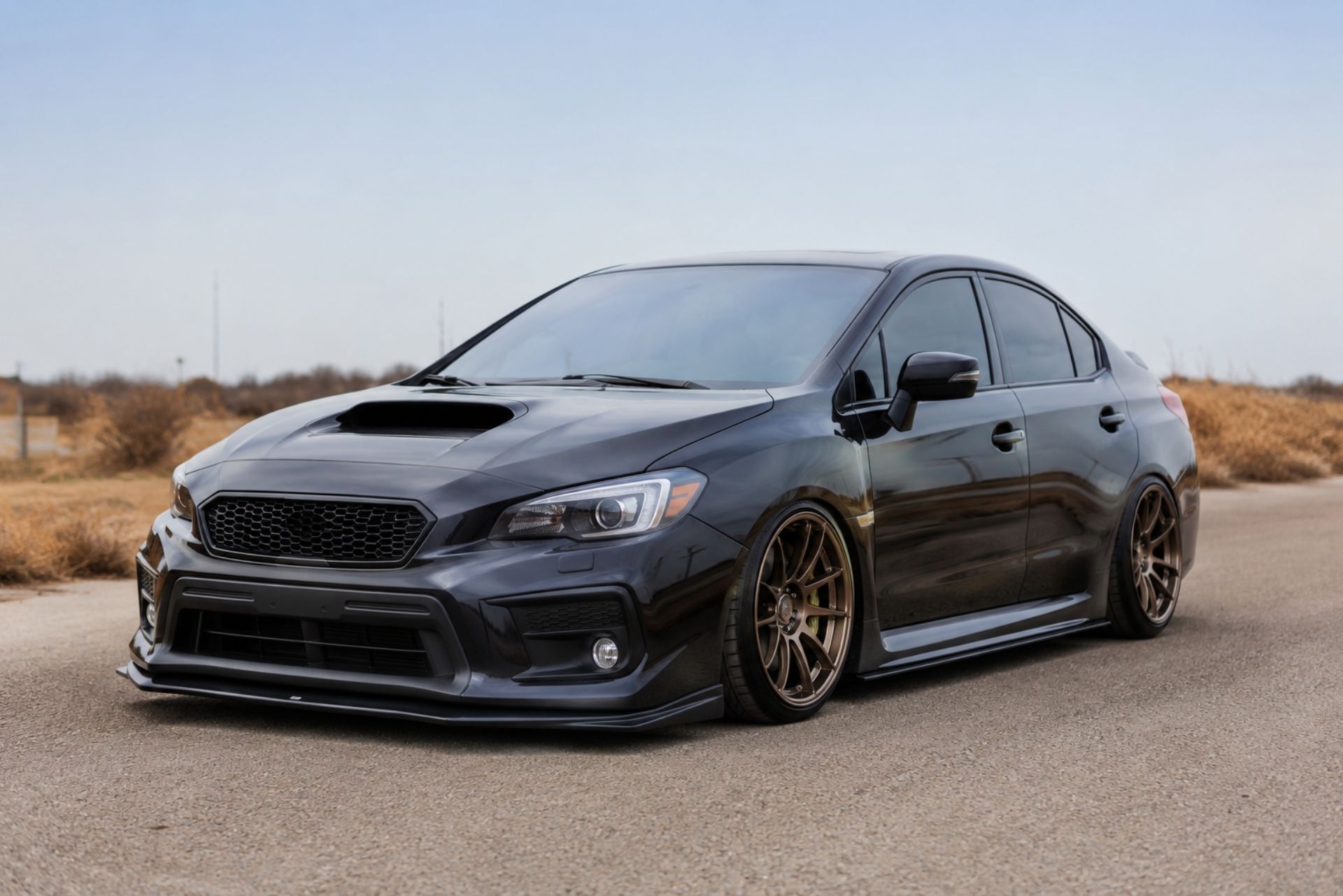
Standard auto policies with a CPE endorsement work well for moderate builds, think a few thousand dollars in upgrades. But if you're running a show car, a heavily modified truck, or a track-prepped vehicle worth significantly more than its stock counterpart, a specialty policy may be the better option.
Specialty insurers often offer agreed value coverage, meaning you and the insurer agree on the vehicle's total value upfront, including all modifications. If the car is totaled, you receive that agreed amount with no depreciation deductions. This is a major advantage over standard policies, which typically pay actual cash value and can leave you short.
Comparison of Coverage Types for Modified Vehicles
| Feature | Standard Policy + CPE | Specialty/Agreed Value Policy |
|---|---|---|
| Typical CPE Limit | $1,000 - $5,000 | $10,000 - $100,000+ |
| Valuation Method | Actual Cash Value | Agreed Value |
| Depreciation Applied | Yes | No |
| Mileage Restrictions | None | Often limited (2,500 - 10,000/year) |
| Best For | Moderate builds, daily drivers | Show cars, high-value builds, track cars |
| Premium Cost | Lower | Higher, but better payout |
| Appraisal Required | Sometimes | Usually yes |
| Daily Driver Friendly | Yes | Varies by insurer |
For most Texas enthusiasts with daily-driven modified cars, a standard policy with an adequate CPE endorsement is sufficient. If your build exceeds $10,000 in modifications or the car has collector value, a specialty policy is worth the extra cost.
Texas Laws and Illegal Modifications to Avoid
Texas gives car enthusiasts a fair amount of freedom, but there are hard limits. If a modification violates state law, your insurer can deny a claim related to it, and you could face fines or a failed inspection.
Window Tint and Lighting Restrictions
Texas law requires at least 25% visible light transmission (VLT) on front side windows and the windshield must allow at least 25% VLT on the top five inches. Rear windows have no VLT restriction. Colored headlights are illegal except for white or amber, and underglow lighting is permitted as long as it isn't red or blue (reserved for emergency vehicles) and isn't flashing.
If you're running illegal tint and get into an accident where visibility is a factor, your insurer has grounds to complicate or deny your claim. Keep your tint within legal limits and carry your tint exemption certificate if you have a medical waiver.
Lift Kit and Suspension Height Limits
Texas doesn't have a specific statute limiting lift height, which surprises many people. However, your vehicle must still pass state inspection, and headlight height is regulated. Headlights must be mounted between 24 and 54 inches from the ground. Tail lights must be between 15 and 72 inches. If your lift pushes your lights outside those ranges, you'll fail inspection.
Bumper height is another consideration. Texas Transportation Code Section 547.412 requires bumpers on passenger vehicles, and excessively lifted trucks without bumpers can be cited. Insurance companies that
cover custom trucks will want to know your lift specs, so be upfront about them.
Common Questions About Insuring Mods
Do I have to tell my insurer about every modification? Yes. Failing to disclose modifications can give your insurer grounds to deny a claim. Even cosmetic changes like a wrap or tint should be reported.
Will modifications increase my premium? Usually, yes, but the increase depends on the type of modification. Cosmetic changes may have little impact, while performance upgrades that increase horsepower or top speed will raise your rate more noticeably.
Can my insurer drop me for modifying my car? They can choose not to renew your policy, but they can't cancel mid-term without cause in Texas. If your insurer isn't comfortable with your build, a specialty carrier is your best option.
Does comprehensive coverage automatically include my aftermarket parts? No. Comprehensive covers theft, weather damage, and vandalism for your stock vehicle. Aftermarket parts require a separate CPE endorsement or a specialty policy.
What documentation should I keep for my modifications? Receipts, installation invoices, photos (before and after), and professional appraisals for high-value builds. Keep digital copies in cloud storage so they survive even if the car doesn't.
Are nitrous oxide systems legal and insurable in Texas? Nitrous is legal for off-road use. On public roads, it's a gray area. Most insurers won't cover a nitrous system under a standard policy, and using one could void your coverage if it contributes to an accident.
How does Texas SB 1429 affect my modified car? SB 1429 requires insurers to use OEM parts on vehicles under 36 months old. This applies to repair parts, not your custom aftermarket upgrades. Your mods still need separate CPE or specialty coverage.
The Bottom Line for Texas Car Enthusiasts
Your modified car represents more than transportation. It's time, money, and personal expression. Texas gives you plenty of room to build the vehicle you want, but your insurance needs to match the investment. A stock policy with default CPE limits won't protect a serious build.
Start by reviewing your current policy's declarations page and checking your CPE limit. If it doesn't cover the total value of your modifications, call your agent and increase it, or get quotes from specialty insurers. Keep detailed records of every part, every receipt, and every installation. Get a professional appraisal every two to three years if your build's value is climbing.
The
new insurance transparency rules taking effect in 2026 make it easier to understand what your policy covers, but you still have to ask the right questions. Don't wait until you're filing a claim to find out your turbo kit isn't covered. A 15-minute phone call with your agent today could save you thousands tomorrow.
About The Author: Aaron Husman
As COO of The Phoenix Insurance, I’m focused on building lasting client relationships and delivering insurance solutions that make protection simple and effective. With years of experience in commercial and personal insurance, I take pride in helping individuals and businesses find coverage that brings confidence and peace of mind.
customer reviews
See What Our Clients Say About Us
Types of Auto Insurance
Insurance For Car Collectors By Car Collectors
Our team specializes in providing tailored insurance coverage for car collectors. Whether you own a rare classic, an exotic beauty, or a powerful muscle car, we understand the unique needs of your collection and work to ensure it’s protected with the care and expertise it deserves.


Contact us for better help and services. Explore all types of car insurance
FREQUENTLY ASKED QUESTIONS
At The Phoenix Insurance, we’re committed to answering your most pressing questions to ensure you feel confident about your coverage. From understanding the benefits of working with an independent agency to the specific insurance options we offer for Texas residents, we’ve got you covered.
What makes The Phoenix Insurance different from other insurance providers?
The Phoenix Insurance is an independent agency, meaning we work with multiple insurance carriers to find the best coverage and rates for your unique needs. Our proactive support and commitment to personalized service set us apart from other providers.
Why should I choose an independent insurance agency in Texas?
Independent agencies like The Phoenix Insurance offer more flexibility and personalized service than large, single-carrier companies. We compare coverage options from top-rated carriers to ensure you get the most value for your money.
Does The Phoenix Insurance provide coverage for real estate investors?
Yes, we specialize in insuring real estate investments, including single-family homes, apartments, commercial buildings, and industrial properties. Our team has extensive experience protecting real estate assets across Texas.
How does The Phoenix Insurance handle claims?
We guide clients through the entire claims process, working directly with the insurance carrier to ensure quick and fair resolutions. Our team is dedicated to providing the support you need when it matters most.
What types of insurance does The Phoenix Insurance offer for Texas residents?
We offer a wide range of personal and business insurance options, including home, auto, umbrella, and recreational vehicle coverage for individuals, as well as liability and property insurance for businesses and real estate investors.
Insurance Knowledge. Stories. Tips.
Our Latest Blogs
Explore expert tips, industry insights, and helpful resources from The Phoenix Insurance to stay informed and make confident decisions about your coverage.


Contact Us