
Texas Collector Car Auction and Online Marketplace Insurance

See How We're Different:
or Call Us: (214) 253-0570
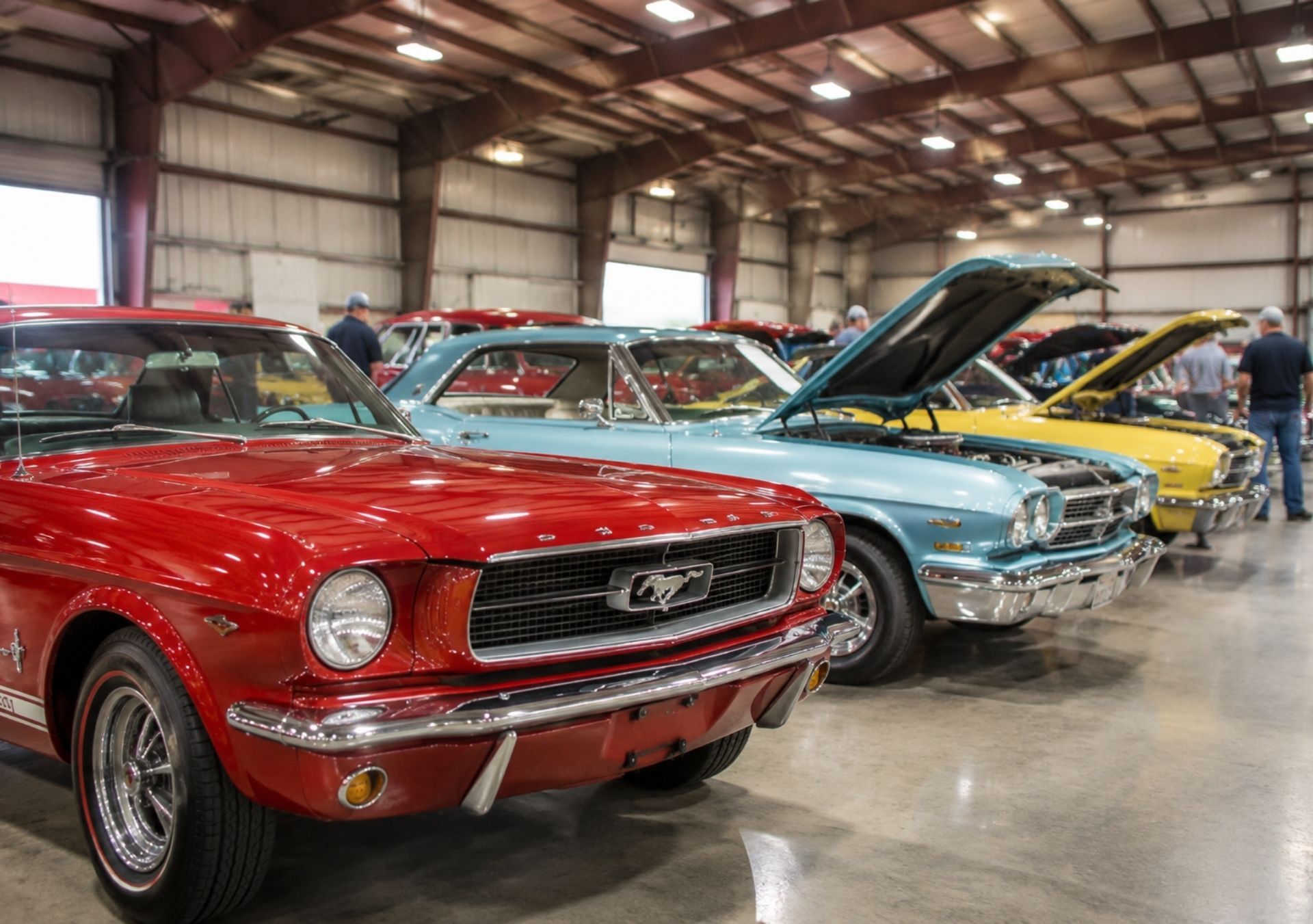
Picture a 1967 Shelby GT500 rolling off a transporter at your Houston preview lot two days before a sale. The consignor expects it back in the same condition, the winning bidder expects clean title, and your online bidders expect the platform to stay up while the hammer falls. If any one of those expectations breaks, you're the one holding the bill.
Insuring a Texas collector car auction or online marketplace isn't like insuring a used car lot. You're handling other people's six-figure assets, running crowded events, and processing high-dollar transactions over the internet. That creates exposure across liability, property, customer vehicles, and business interruption at the same time.
This guide covers each of those exposures, where the common gaps sit, and the mistakes
auction operators make when they assume one policy handles everything.
The Evolving Landscape of Texas Collector Car Sales
Texas collector car sales now run on two tracks: the live event with a tent, a stage, and a crowd, and the online platform with timed bidding and digital inspections. Many operators run both. Your insurance has to fit the way you actually sell, not the way auctions worked fifteen years ago.
Market pressure shapes your risk too. One industry observation put it bluntly: the collector market has split, with blue-chip cars holding value while mid-market cars correct, and the gap between agreed value and stated value can mean a 20% loss at claim time. Here's what that means for you. When a consignor's Porsche 911 Carrera RS is valued on paper at $240,000 but the market says $195,000, disputes over damage and valuation get uglier.
Regulation adds another layer. The Texas Department of Licensing and Regulation requires auctioneers with a live-bid component to be licensed, and licensed auctioneers contribute to a Recovery Fund that maintains a minimum balance of $350,000. That fund isn't insurance for your business. It exists to protect consumers, and it won't pay your defense costs or replace a damaged consignment.
Costs are moving as well. The Texas Department of Insurance
approved a 4.9% overall rate increase for commercial auto effective November 1, 2026, with bodily injury liability rising 5.0%. If you run transporters, shuttle vans, or a parts truck, budget for that increase at renewal.
General Liability and Public Safety at Live Auctions
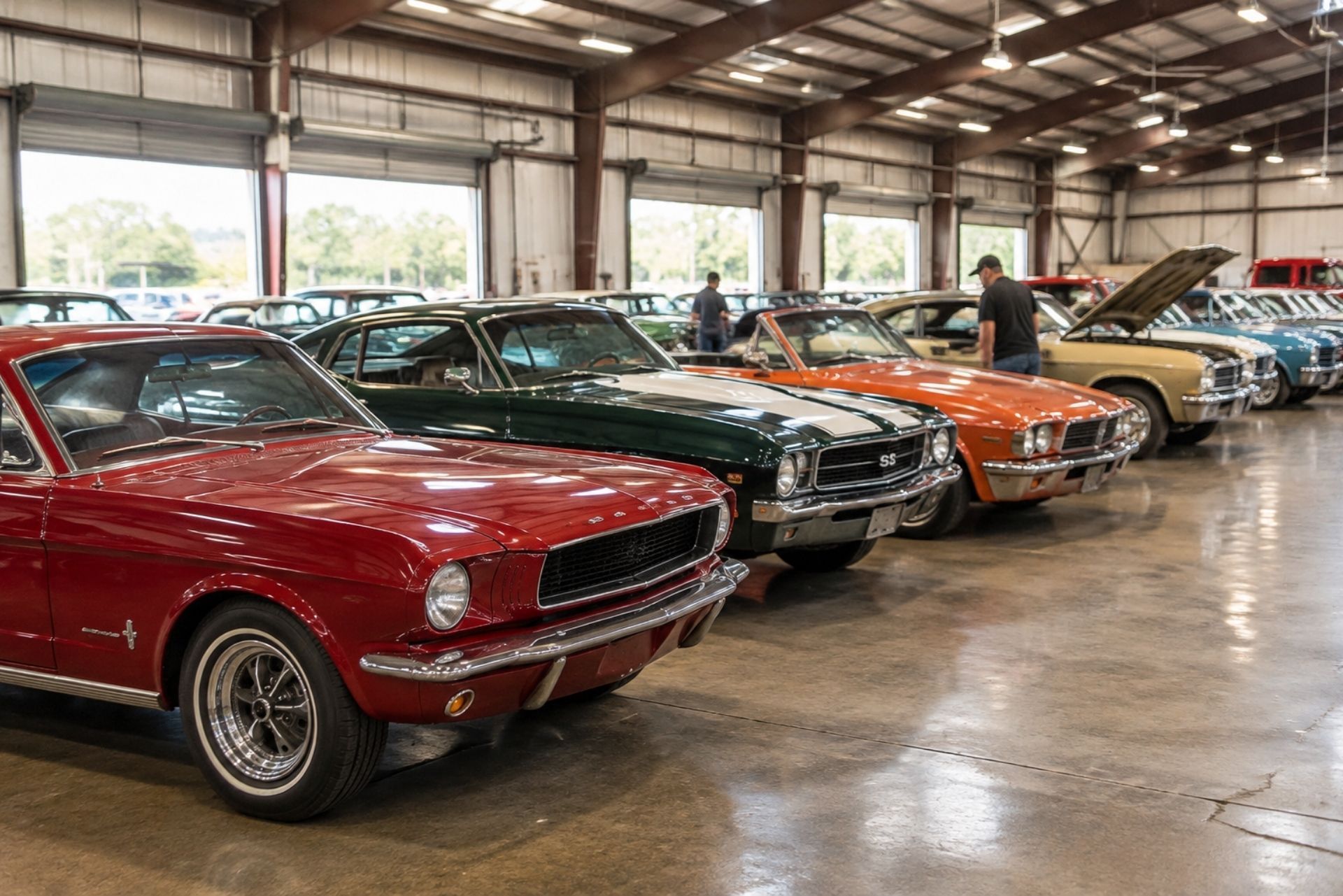
A Saturday sale in Scottsdale-style format at a Fort Worth fairground can draw thousands of people, many of them walking between running cars with phones out. General liability covers bodily injury and property damage to third parties caused by your operations. It's the foundation, but it's rarely enough on its own for an auction business.
The two H3 sections below cover the biggest pressure points: the physical event and the claims about what you sold.
Premises Liability for High-Traffic Events
Most auction injury claims aren't dramatic. They're trip-and-fall incidents over extension cords, a spectator clipped by a car rolling onto the block, or a guest who slips on a wet concrete ramp after a Gulf Coast downpour. Each one can turn into a lawsuit with medical bills, lost wages, and pain and suffering.
Check whether your policy covers rented venues. Fairgrounds and convention centers will require you to name them as additional insureds and often demand $1 million per occurrence with $2 million aggregate, plus an umbrella. If you serve alcohol at a VIP preview, you need liquor liability. General liability usually excludes it.
Watch these common gaps:
- Contractor exclusions: If a hired security firm or valet company causes injury, you want their certificate of insurance on file before the event.
- Vehicles in motion: Injuries caused by a car being driven onto the stage may fall under auto liability, not general liability. Confirm which policy responds.
- Weather events: Hail in Dallas or a sudden North Texas windstorm can collapse a tent. Ask how your policy treats temporary structures.
Product Liability and Misrepresentation Risks
An auction house doesn't build cars, but you describe them. If your catalog lists a 1970 Chevelle SS 454 as numbers-matching and the buyer's inspector finds a replacement block, you could face a misrepresentation claim worth tens of thousands of dollars.
General liability policies typically don't cover economic loss from inaccurate descriptions. That's an errors and omissions exposure, covered later in this guide. Product liability can still matter if your shop does pre-sale work, like brake service, and a defect causes an accident after sale.
Provenance matters here. Title disputes, undisclosed liens, and contested estates are common in the collector world, especially when a car comes from an inheritance. Require consignors to provide clean title, lien releases, and documented ownership history. Some auction houses also encourage buyers to consider title insurance on high-value purchases.
Protecting Customer Vehicles and Consignments
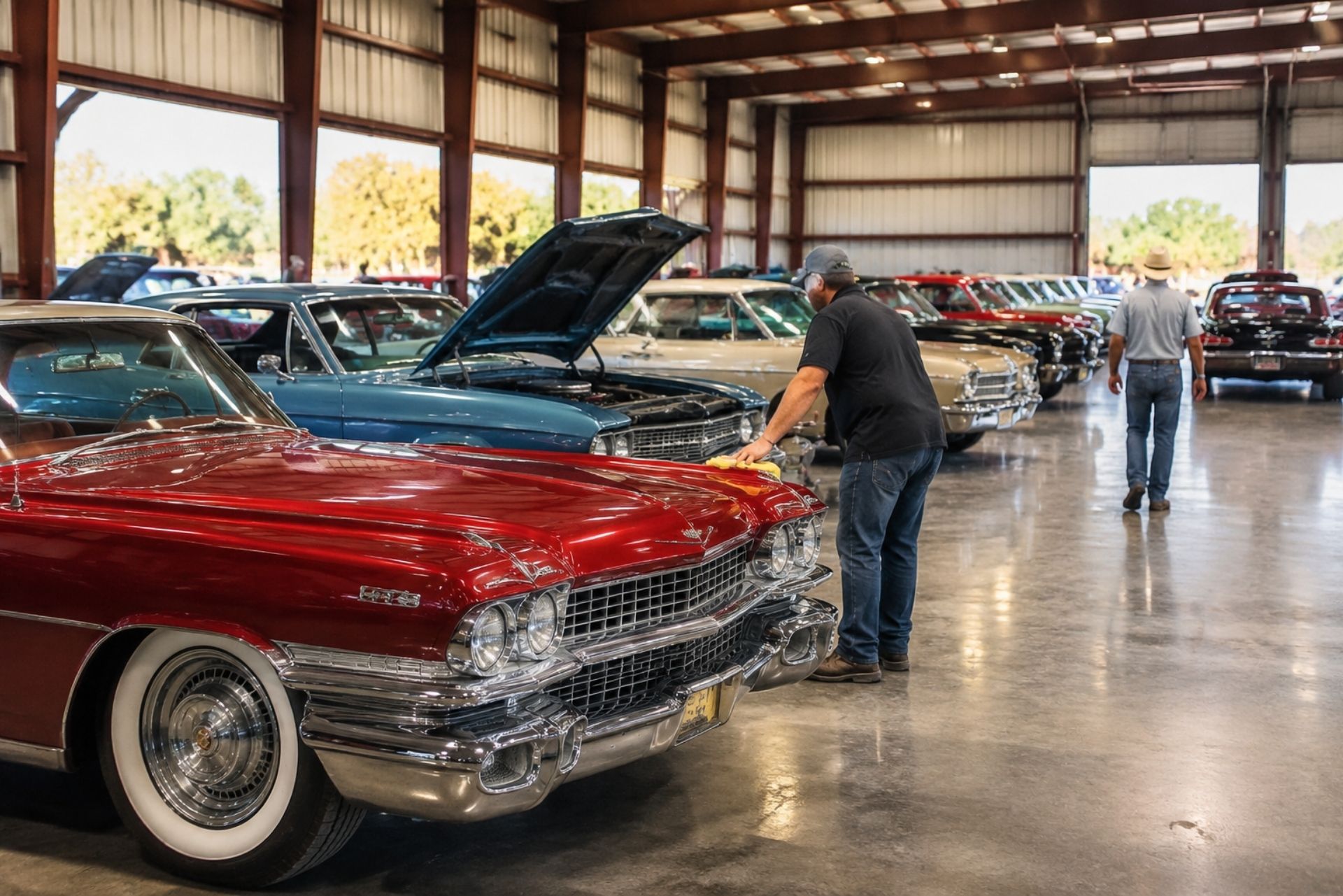
This is where auction operators get hurt the most. Your general liability policy almost certainly excludes damage to property in your care, custody, or control. That means a consignor's Ferrari 308 GTS damaged on your lot isn't covered by GL, no matter how obvious your fault is.
You need specific coverage for customer autos. The two main forms work differently, and choosing the wrong one creates nasty surprises.
Garagekeepers Legal Liability vs. Direct Primary
Garagekeepers coverage protects vehicles you hold for others, but the trigger matters.
- Legal liability form: Pays only if you're legally responsible for the damage. If a hailstorm in San Antonio dents forty consigned cars, you may owe nothing legally, so the policy may pay nothing. The consignors then file on their own collector policies, and your relationships suffer.
- Direct excess form: Pays regardless of fault, but only after the owner's own insurance responds.
- Direct primary form: Pays regardless of fault, first, without waiting on the owner's insurer. This is the strongest option for an auction house.
For small to midsize operations in Texas, standard garagekeepers policies typically run around $1,800 to $2,800 per year. Collector-focused operations with high per-vehicle values often pay more, especially with direct primary coverage and high per-unit limits.
One thing to keep in mind: check the per-vehicle limit, not just the per-location limit. A $500,000 lot limit means little if a single 1955 Mercedes 300SL is worth more than that. Also ask about valuation. Agreed value protection on consignments avoids fights after a loss.
In-Transit and Open Lot Coverage for Collector Autos
Cars move constantly in this business: to your preview lot, to an appraiser, to a detail shop, to the auction floor, and to the buyer. Garagekeepers coverage may only apply at listed locations. Transit coverage, often through an inland marine or motor truck cargo policy, protects vehicles on your trucks or a contracted carrier.
Open lots carry their own risks. Texas hail, flash flooding along the Houston bayous, and theft rings that target high-value cars all hit outdoor inventory. Ask whether your policy has hail deductibles, flood exclusions, or protective safeguard warranties requiring cameras and gates.
Buyers also have a window. Many collector policies include automatic coverage of 30 to 90 days for newly acquired vehicles, but that only helps if the buyer has such a policy already. Don't release a car without confirming who's insuring it on the trailer.
Coverage Comparison: Physical Damage vs. Liability
Owners often confuse coverage that pays for damaged property with coverage that pays for claims against them. Here's a quick breakdown for auction and online marketplace operations.
| Coverage | What It Pays For | Covers Customer Cars? | Typical Gap |
|---|---|---|---|
| General Liability | Third-party injury and property damage | No (care, custody, control exclusion) | Misrepresentation, cars in your custody |
| Garagekeepers (Legal) | Customer cars, only if you're at fault | Yes, fault-based | Hail, flood, theft without negligence |
| Garagekeepers (Direct Primary) | Customer cars regardless of fault | Yes, pays first | Per-vehicle limits too low |
| Commercial Auto | Your vehicles and driving liability | No | Cars driven by staff on dealer plates |
| Inland Marine / Transit | Cars in transit or off-site | Yes, if scheduled | Unlisted locations, carrier exclusions |
| Commercial Property | Your buildings, equipment, stage gear | No | Business income limits |
| E&O | Financial loss from mistakes or descriptions | No | Intentional fraud exclusions |
The pattern here is clear. Liability policies protect you from lawsuits, and physical damage policies protect property. A complete program for this kind of business usually stacks four or five of these together, and each one closes a gap the others leave open.
Safeguarding the Digital Infrastructure of Online Marketplaces
Online collector car platforms process large payments, store buyer identities, and hold financial data. Hackers know a $90,000 wire transfer to a fake escrow account is easy money. If your platform gets breached during a live timed auction, you lose data, revenue, and trust in a single afternoon.
Cyber Liability and Transactional Security
Cyber liability covers breach response costs, forensic investigation, legal fees, customer notification, and sometimes lost income from a system outage. Social engineering coverage, often a separate endorsement, addresses fraudulent wire transfer instructions. Don't assume it's included.
Texas carriers increasingly deny coverage to platforms without specific controls in place: multi-factor authentication, endpoint detection and response, and immutable backups. If you don't have all three, expect a declined application or a sublimit that won't cover much.
Notification rules also tightened. Under 2026 updates to the Texas Identity Theft Enforcement and Protection Act, online marketplaces must notify the Texas Attorney General of any breach affecting 250 or more Texas residents. A modest regional platform can cross that threshold fast.
Errors and Omissions in Online Bidding Platforms
Online bidding introduces mistakes that don't happen with a live auctioneer. A software glitch closes bidding early. A listing shows the wrong mileage. A buyer claims your inspection report missed rust on a Jaguar E-Type frame.
Errors and omissions insurance covers financial losses from these professional mistakes and the legal defense that follows. That's the gap general liability won't fill. Look for coverage that specifically includes technology errors, condition reports, and third-party inspection reports you publish.
Here's a short list of things not to do:
- Don't publish condition reports without a disclaimer and inspector credentials.
- Don't rely on platform terms of service as your only protection.
- Don't let staff edit listings without a documented review step.
- Don't ignore E&O retroactive dates when switching carriers.
Mitigating Business Interruption and Property Loss
Your property covers more than a building. Think about the stage, lighting rigs, cameras for live streaming, computer servers, signage, and office equipment. Commercial property insurance protects these assets. Business income coverage, often called business interruption, replaces lost revenue when a covered loss shuts you down.
Here's a realistic scenario. A Category 2 hurricane floods your Galveston-area facility three weeks before your spring sale. You lose your venue, consignors pull their cars, and the event gets canceled. Without business interruption and extra expense coverage, you absorb the lost commissions, deposits, and costs of relocating.
The catch is that standard property policies often exclude flood, and business income usually depends on direct physical damage to your own property. If the venue you rent gets damaged, you need contingent business interruption or event cancellation coverage. Read the waiting period too: 72 hours is common, and a short outage may never trigger payment.
Loss prevention lowers both risk and premium. Practical steps include:
- Climate control: Keep indoor storage stable with HVAC and backup power, especially for cars with original interiors.
- Positioning: Park the highest-value cars away from bay doors and drainage points.
- Evacuation plan: Know which cars move first and where they go during hurricane or hail warnings.
- Documentation: Use digital inventory software with timestamped photos at intake and release.
- Appraisals: Encourage professional appraisals for consigned cars every two to three years so valuations stay current.
If a loss happens, notify your carrier within 24 to 72 hours. Gather photos, intake reports, consignment agreements, and repair estimates. Delayed reporting gives insurers room to dispute claims.
Answers to Common Texas Auto Auction Insurance Questions
Does general liability cover a consignor's car if it gets damaged on my lot? Usually not. General liability excludes property in your care, custody, or control. You need garagekeepers coverage, ideally on a direct primary basis.
Do I need separate insurance for an online-only collector car marketplace? Yes. Online platforms need cyber liability and errors and omissions coverage at minimum. If cars ever move through your hands or storage, add garagekeepers and transit coverage.
Is the Texas auctioneer Recovery Fund enough to protect my business? No. The Recovery Fund protects consumers, not your business. It won't pay your defense costs or replace damaged vehicles.
What's the difference between agreed value and stated value? Agreed value pays the amount you and the insurer settled on before the loss. Stated value pays the lesser of the stated amount or actual cash value, which can leave you short.
Will rising commercial auto rates affect my auction business? If you operate transporters or company vehicles, likely yes. Texas commercial auto rates are rising on average for policies effective November 2026.
How fast should I report a damaged consignment? Report it within 24 to 72 hours. Include photos, intake records, and the consignment agreement.
Making the Right Choice for Your Texas Business
Insuring a collector car auction or online platform in Texas means covering four fronts at once: liability from crowds and descriptions, property you own, customer autos in your custody, and the income you'd lose during an interruption. Gaps usually show up where these policies meet, like cars in transit, rented venues, or online mistakes.
Start by mapping where vehicles go, who touches them, and how money flows. Then match each exposure to a specific policy, checking per-vehicle limits, valuation terms, and cyber controls. Review your program every year, especially as rates and market values shift.
The right coverage lets you take on bigger consignments with confidence. Talk with an agent who knows collector cars, ask hard questions about gaps, and get every answer in writing before your next sale.
About The Author: Aaron Husman
As COO of The Phoenix Insurance, I’m focused on building lasting client relationships and delivering insurance solutions that make protection simple and effective. With years of experience in commercial and personal insurance, I take pride in helping individuals and businesses find coverage that brings confidence and peace of mind.
customer reviews
See What Our Clients Say About Us
Types of Auto Insurance
Insurance For Car Collectors By Car Collectors
Our team specializes in providing tailored insurance coverage for car collectors. Whether you own a rare classic, an exotic beauty, or a powerful muscle car, we understand the unique needs of your collection and work to ensure it’s protected with the care and expertise it deserves.



Contact us for better help and services. Explore all types of car insurance
FREQUENTLY ASKED QUESTIONS
At The Phoenix Insurance, we’re committed to answering your most pressing questions to ensure you feel confident about your coverage. From understanding the benefits of working with an independent agency to the specific insurance options we offer for Texas residents, we’ve got you covered.
What makes The Phoenix Insurance different from other insurance providers?
The Phoenix Insurance is an independent agency, meaning we work with multiple insurance carriers to find the best coverage and rates for your unique needs. Our proactive support and commitment to personalized service set us apart from other providers.
Why should I choose an independent insurance agency in Texas?
Independent agencies like The Phoenix Insurance offer more flexibility and personalized service than large, single-carrier companies. We compare coverage options from top-rated carriers to ensure you get the most value for your money.
Does The Phoenix Insurance provide coverage for real estate investors?
Yes, we specialize in insuring real estate investments, including single-family homes, apartments, commercial buildings, and industrial properties. Our team has extensive experience protecting real estate assets across Texas.
How does The Phoenix Insurance handle claims?
We guide clients through the entire claims process, working directly with the insurance carrier to ensure quick and fair resolutions. Our team is dedicated to providing the support you need when it matters most.
What types of insurance does The Phoenix Insurance offer for Texas residents?
We offer a wide range of personal and business insurance options, including home, auto, umbrella, and recreational vehicle coverage for individuals, as well as liability and property insurance for businesses and real estate investors.
Insurance Knowledge. Stories. Tips.
Our Latest Blogs
Explore expert tips, industry insights, and helpful resources from The Phoenix Insurance to stay informed and make confident decisions about your coverage.


Contact Us